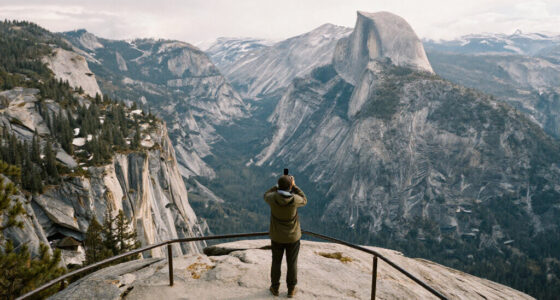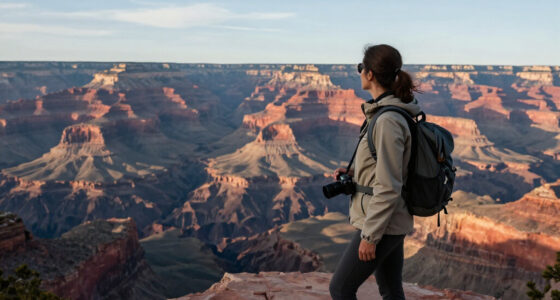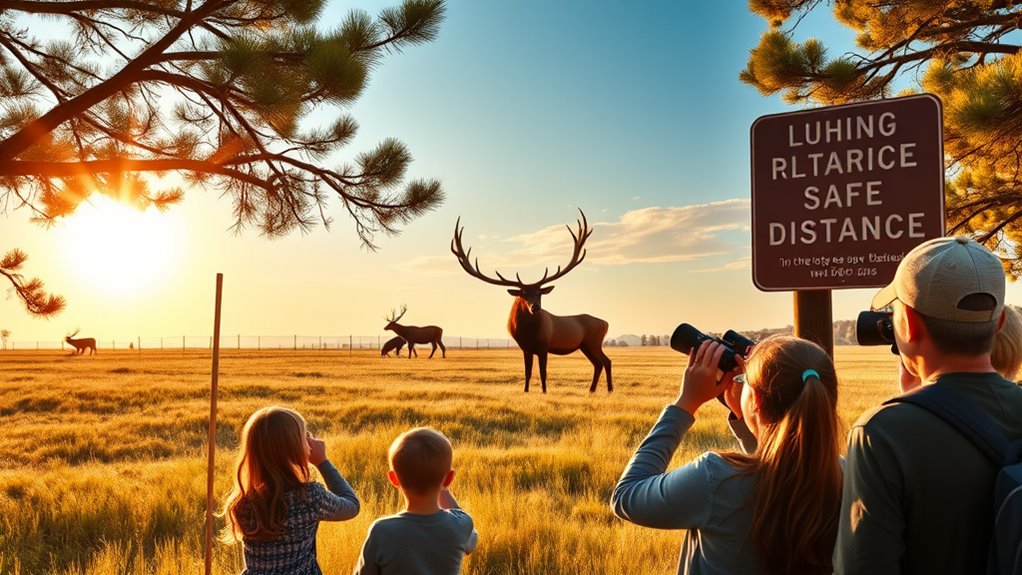

When viewing wildlife in Yellowstone National Park, always maintain a safe distance—at least 100 yards from bears and wolves, and 25 yards from other wildlife. Use zoom lenses for photographs to avoid disturbing animals. Stay calm if you encounter wildlife, and pull over safely if they’re on the road. Never feed animals, as it can lead to dangerous situations. Following these guidelines will enhance your experience while protecting the park’s delicate ecosystem, and there’s more to discover.

Get travel and outdoor gear delivered free with Prime
- Fast, free delivery on millions of items
- Prime Video, Amazon Music and more included
- Member-only deals all year
Key Takeaways
- Maintain a distance of at least 100 yards from bears and wolves, and 25 yards from other wildlife for safety.
- Use zoom lenses for photography to capture images without disturbing animals or invading their space.
- Remain calm during wildlife sightings and pull over safely while turning off vehicle engines to minimize disturbances.
- Never attempt to feed wildlife, as it alters their natural behavior and can lead to aggressive encounters.
- Following wildlife viewing etiquette preserves the ecosystem and enhances the experience for both visitors and animals.
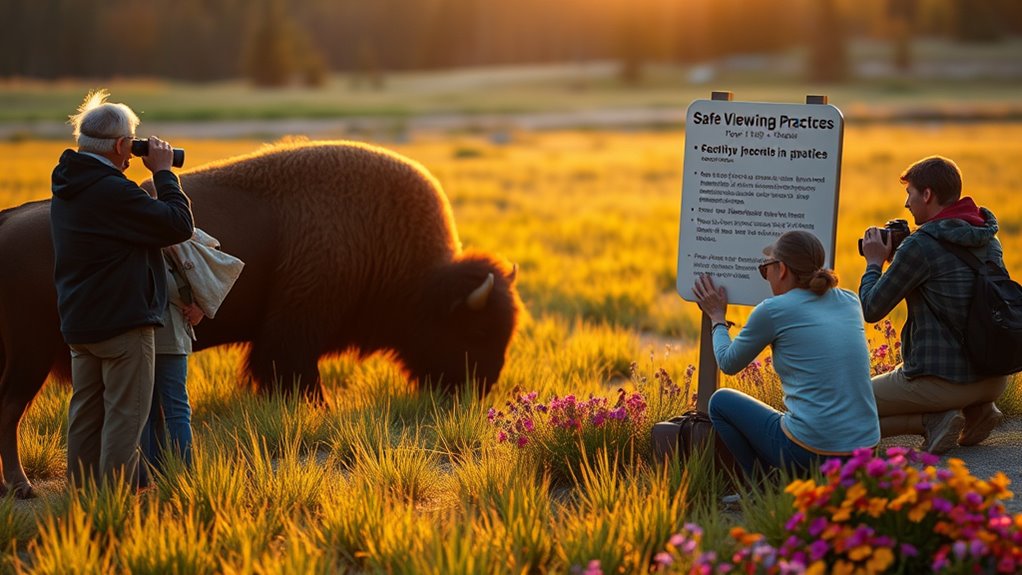
When you step into Yellowstone National Park, you’re entering a world teeming with diverse wildlife, and if you want to make the most of your experience, respecting these animals and their habitats is essential. The park is home to bison, elk, bears, and countless other species, all of which deserve your consideration. As you observe these magnificent creatures, it’s important to remember that human interaction can have lasting effects on their behavior and environment. By adhering to wildlife viewing etiquette, you’ll not only enhance your own experience but help preserve the natural balance of this stunning ecosystem.
As you venture into the park, keep your distance. The general rule is to stay at least 100 yards away from bears and wolves and 25 yards from all other wildlife. This distance allows the animals to behave naturally without feeling threatened. If you’re using your camera, consider the photography guidelines: a zoom lens can help you capture stunning images without encroaching on their space. Remember, the best photos are often taken from a distance, ensuring you respect their boundaries and allowing them to thrive undisturbed.
When you’re out exploring, don’t forget to be aware of your surroundings. Animals can appear suddenly, and it’s essential to remain calm and collected. If you spot wildlife on the road, pull over safely and turn off your engine. Avoid causing traffic jams or blocking the road, as this can lead to dangerous situations for both you and the animals. Use your phone or camera to document your encounter, but do so without stepping out of your vehicle unless it’s in a designated area.
Another critical aspect of wildlife viewing is understanding that these animals are not pets. It may be tempting to get closer for that perfect shot or to feed them, but this can lead to dangerous situations. Feeding wildlife alters their natural behavior and can result in aggressive encounters. Stick to your plan of observing from a distance, and you’ll have a much more rewarding experience. Additionally, be aware that wildlife viewing etiquette can significantly impact the natural balance of the ecosystem in Yellowstone.
Frequently Asked Questions
What Should I Do if I Encounter an Aggressive Animal?
If you encounter an aggressive animal, stay calm and avoid direct eye contact. Back away slowly without turning your back on the animal. Don’t run or scream, as this can provoke a chase. Keep your distance and give the animal space to retreat. Familiarize yourself with animal safety guidelines and emergency procedures before your trip, so you know what to do in such situations. Always prioritize your safety and the animal’s well-being.
Are Drones Allowed for Wildlife Photography in Yellowstone?
Drones aren’t allowed for wildlife photography in Yellowstone. Imagine trying to capture a breathtaking sunrise, but instead, your buzzing drone disturbs the peaceful scene. Drone regulations exist to protect wildlife and minimize disturbances. Just as a sudden noise can scare away birds, drones can disrupt animals in their natural habitat. If you want to photograph the park’s beauty, stick to traditional methods; it’s the best way to honor Yellowstone’s wildlife.
Can I Bring My Pet While Wildlife Viewing?
No, you can’t bring your pet while wildlife viewing in Yellowstone. Park regulations prioritize pet safety and wildlife protection, so pets must be kept on a leash and only in designated areas. This keeps both your pet and the park’s wildlife safe from potential conflicts. If you’re planning to explore, consider leaving your pet at home or in a pet-friendly accommodation nearby. Always check park guidelines for the latest rules before you go!
How Far Should I Stay From Wild Animals?
You should keep a safe distance of at least 25 yards from most wildlife and 100 yards from bears and wolves. These viewing guidelines help protect both you and the animals. Getting too close can stress them and put you at risk. Always observe from a distance, using binoculars or a camera with a zoom lens for a better view. Remember, respecting their space guarantees a safer experience for everyone involved.
What Time of Year Is Best for Wildlife Viewing?
When it comes to wildlife viewing, timing’s everything! Spring and fall are your best bets for spotting animals, as these seasons align with their seasonal migration patterns. In spring, you can catch animals emerging from hibernation, while fall offers a chance to see them preparing for winter. Early mornings and late afternoons provide ideal viewing times, so grab your binoculars and be ready for some unforgettable encounters in nature!
Conclusion
So, as you set out on your quest to spot a bison or bear, remember: it’s not just about you and your camera. Keep your distance, stay on the trails, and for Pete’s sake, don’t feed the animals—unless you’re aiming for a starring role in a nature documentary titled “The Curious Tourist.” Respecting wildlife isn’t just etiquette; it’s survival. So, enjoy the view, but leave the drama for your Netflix binge later!
Halloween Picks
halloween
As an affiliate, we earn on qualifying purchases.