
TL;DR

Get travel and outdoor gear delivered free with Prime
- Fast, free delivery on millions of items
- Prime Video, Amazon Music and more included
- Member-only deals all year
Wildfires are threatening residential areas across Sicily, Italy, prompting evacuations and emergency firefighting efforts. The situation is ongoing, with authorities working to contain the fires.
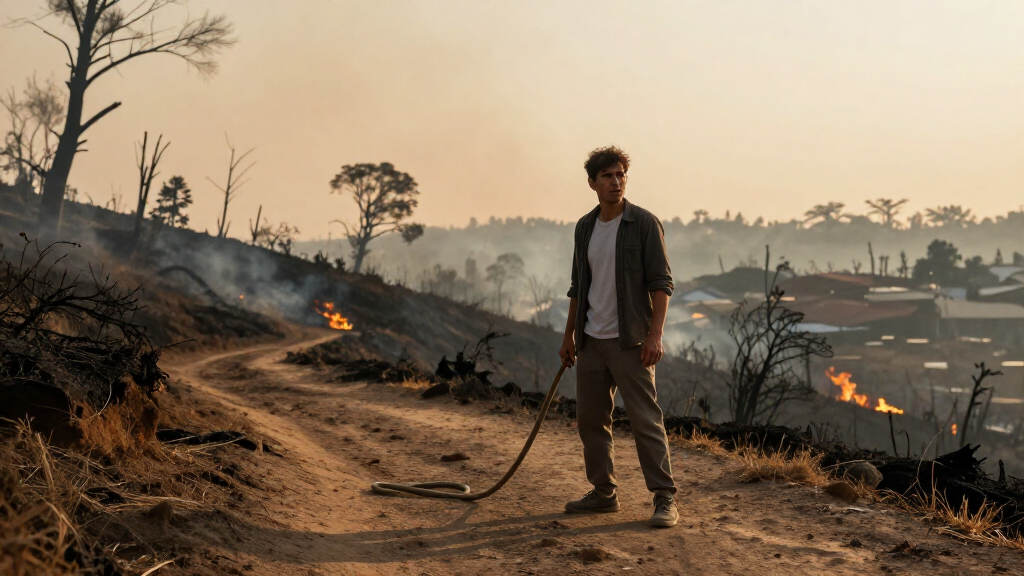
Wildfires are currently threatening homes across several regions in Sicily, Italy, prompting emergency evacuations and mobilizing firefighting resources. The fires have rapidly expanded due to dry conditions and strong winds, with authorities warning residents to stay alert and follow safety directives. This development underscores the increasing frequency and severity of wildfires in the Mediterranean region, driven by climate change and prolonged droughts.
Multiple wildfires have broken out across different parts of Sicily over the past 48 hours, with some fires already reaching residential zones. Local authorities have issued evacuation orders for several towns and villages near the affected areas, urging residents to evacuate immediately to avoid danger. Firefighting teams, supported by aerial and ground units, are actively working to contain the flames, which have been fueled by record-low rainfall and high temperatures this summer.
According to the Sicilian Civil Protection Agency, at least five major fires are currently active, with some burning in densely populated areas. Emergency services report that over 1,000 residents have been evacuated so far, and efforts are ongoing to prevent further spread. The Italian military has also been mobilized to assist firefighting operations, deploying helicopters and personnel to support local teams. No fatalities have been reported, but several injuries among firefighters and residents are under investigation.
Impacts on Communities and Climate Risks
The wildfires in Sicily highlight the growing threat that climate change poses to Mediterranean communities, with increasing frequency and intensity of such events. The fires threaten homes, infrastructure, and local ecosystems, risking displacement of residents and economic damage. This situation emphasizes the urgent need for improved fire management strategies and climate adaptation measures in Italy and across the Mediterranean region, which is experiencing hotter, drier conditions.
As an affiliate, we earn on qualifying purchases.
Rising Wildfire Incidents in the Mediterranean Region
Wildfires are becoming more common across southern Europe, driven by prolonged droughts and higher temperatures linked to climate change. Sicily, with its dry summers and dense vegetation, has seen a surge in wildfire activity over the past decade. Previous major fires in the region have caused significant damage, but recent years have seen an escalation in scale and frequency. Experts warn that without substantial mitigation efforts, such events are likely to become even more severe, posing ongoing threats to residents and natural habitats.
Extent and Duration of Fire Containment Efforts
It is still unclear how quickly the fires will be contained or whether additional areas will need evacuation. The situation remains fluid, with weather conditions continuing to challenge firefighting operations. Authorities have not yet provided a timetable for full containment, and the potential for further fire spread remains a concern due to wind and dry conditions.
Ongoing Emergency Response and Future Risks
Firefighting teams will continue efforts to contain the wildfires over the coming days, with updates expected from local authorities. There is also an ongoing assessment of the damage and potential for further evacuations. Experts warn that the risk of new fires persists as long as dry conditions and high temperatures continue, emphasizing the need for long-term climate resilience planning in the region.
Key Questions
Are residents returning to their homes?
Authorities have not yet authorized residents to return to affected areas. Evacuations remain in place until fire containment is confirmed and safety is assured.
What caused the wildfires?
Investigations are ongoing, but experts attribute the fires to a combination of dry weather, high temperatures, and strong winds typical of the region’s summer season.
How are firefighting efforts being supported?
Local firefighting teams are supported by aerial units, helicopters, and military assistance, with resources being mobilized continuously to combat the fires.
What measures are being taken to prevent future fires?
Authorities are reviewing fire management strategies, including controlled burns and vegetation clearing, but long-term climate adaptation remains a key challenge.
Has there been any damage to natural habitats?
Preliminary reports indicate some damage to local ecosystems, but detailed assessments are ongoing to determine the full extent of environmental impact.
Source: rss
Halloween Picks
halloween
As an affiliate, we earn on qualifying purchases.