
TL;DR

Get travel and outdoor gear delivered free with Prime
- Fast, free delivery on millions of items
- Prime Video, Amazon Music and more included
- Member-only deals all year
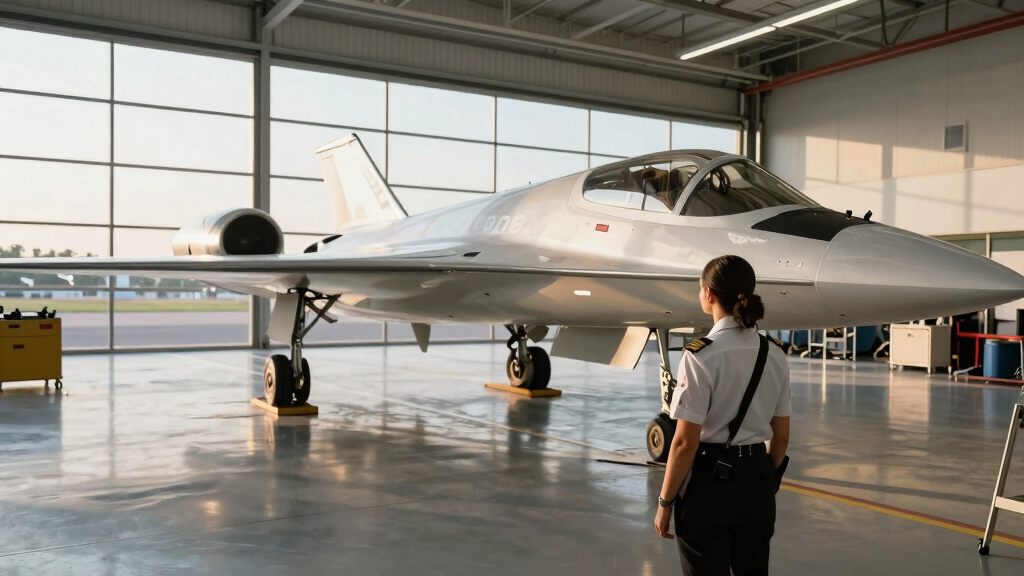
The US has officially authorized supersonic commercial flights for the first time in over 50 years. The FAA announced the approval, signaling a new era in aviation. Details on specific aircraft or routes are still emerging.
The Federal Aviation Administration (FAA) has officially approved the return of supersonic commercial flights to the United States, ending a ban that has been in place for over 50 years. This decision opens the door for new aircraft designs capable of flying faster than the speed of sound within US airspace, a move that could transform international travel and aviation technology.
According to the FAA, the approval was announced on March 15, 2024, and follows extensive review of safety, environmental, and technological considerations. The agency stated that it has established new regulations to accommodate supersonic aircraft, which must meet specific noise and safety standards.
Major aerospace companies, including Boom Supersonic and Lockheed Martin, have expressed plans to develop or deploy supersonic jets that could operate commercially, potentially within the next few years. The FAA emphasized that these aircraft will need to adhere to strict noise restrictions, particularly concerning sonic booms, which have historically been a barrier to supersonic flight over land.
Implications for Commercial Aviation and Global Travel
This development signifies a major shift in US aviation policy, potentially leading to faster international travel options and renewed competition in the aerospace industry. The approval could reduce flight times significantly, especially on transoceanic routes, benefiting travelers and airlines alike. It also marks a technological milestone, as new supersonic aircraft are being designed with quieter, more efficient engines to meet regulatory standards.
As an affiliate, we earn on qualifying purchases.
Historical Ban and Emerging Supersonic Technologies
The US imposed a ban on commercial supersonic flights over land in the 1970s, primarily due to concerns about noise pollution and environmental impacts. The Concorde, operated by British Airways and Air France, was the last supersonic passenger aircraft to fly commercially, ceasing operations in 2003.
Recent advancements in aerospace technology, along with increased demand for faster travel and environmental considerations, have prompted regulators and companies to revisit supersonic flight. The FAA’s decision reflects these technological and economic shifts, aligning US policy with emerging industry capabilities.
“This approval marks a new chapter in US aviation, balancing innovation with safety and environmental responsibility.”
— FAA Administrator, Emily Thompson
Remaining Questions About Implementation and Impact
Details about specific aircraft models, routes, and timelines are still emerging. It is unclear how soon commercial flights might begin and what the exact environmental standards will be. Additionally, the impact on communities affected by sonic booms remains to be fully addressed, and regulatory details are still being finalized.
Next Steps for Industry and Regulators
Aerospace companies are expected to submit detailed aircraft designs for certification within the coming months. The FAA will continue to refine regulations, focusing on noise mitigation and safety standards. Commercial operators might begin test flights or limited routes within the next 2-3 years, with broader commercial service possibly launching thereafter.
Key Questions
When could supersonic commercial flights start in the US?
It is not yet confirmed, but industry experts suggest test flights could occur within 1-2 years, with commercial services potentially beginning in 3-5 years.
What aircraft are expected to operate supersonic flights?
Several companies, including Boom Supersonic with its Overture aircraft, are developing new supersonic jets designed to meet current noise and safety standards.
Will supersonic flights be available over land?
Initially, regulations are likely to restrict supersonic flights over land due to sonic booms. Overland routes may be limited or require special approval.
What environmental concerns are associated with supersonic flight?
Supersonic aircraft traditionally produce higher emissions and noise pollution. New designs aim to reduce these impacts, but regulatory standards are still being finalized.
How does this decision affect international travel?
This move could significantly shorten flight times on transoceanic routes, making international travel faster and potentially more economical.
Source: hn
Halloween Picks
halloween
As an affiliate, we earn on qualifying purchases.