

Choosing a shared shuttle over a private transfer can considerably reduce your transportation footprint. Shared shuttles carry multiple passengers, spreading emissions across more people, especially when using electric or fuel-efficient vehicles. Private transfers typically involve larger, less efficient vehicles producing more emissions per trip. By opting for shared rides, you help lower the total trips and emissions on the road. Continue exploring to discover how your choices can make a real eco-difference.
Key Takeaways
- Shared shuttles reduce emissions per passenger by transporting multiple travelers simultaneously.
- Private transfers typically produce higher emissions due to single-occupancy, larger vehicles.
- Electric shared shuttles further lower environmental impact compared to private gasoline vehicles.
- Route optimization and higher vehicle occupancy in shared shuttles enhance eco-efficiency.
- Private transfers often involve less efficient, less utilized vehicles, increasing their carbon footprint.
Are Shared Shuttles the Eco-Friendlier Choice for Airport Transfers?

Shared shuttles are generally considered the eco-friendlier option for airport transfers because they maximize vehicle occupancy, reducing the total number of trips needed. Using electric vehicles in shared shuttles further lowers emissions, making them a cleaner choice for the environment. They help ease urban congestion by decreasing the number of cars on the road, especially during peak hours. Electric shuttles produce no tailpipe emissions, which benefits air quality and reduces your carbon footprint. When traveling in a shared shuttle, you’re part of a more sustainable transportation option that promotes efficient vehicle use. This approach not only cuts down on greenhouse gases but also lessens traffic buildup in crowded city areas. Incorporating vehicle efficiency strategies can enhance the environmental benefits of shared shuttles. Additionally, optimizing fleet utilization can further improve overall sustainability. Implementing sustainable transportation practices ensures that shared shuttles remain an environmentally responsible choice. Embracing advanced vehicle technology can also contribute to lowering operational emissions. Moreover, adopting innovative solutions can help maximize the benefits of electric shuttle fleets, making them even more eco-friendly. Overall, shared shuttles with electric vehicles are a smarter, greener way to get to and from the airport.
Why Do Shared Shuttles Have a Smaller Carbon Footprint Per Passenger?
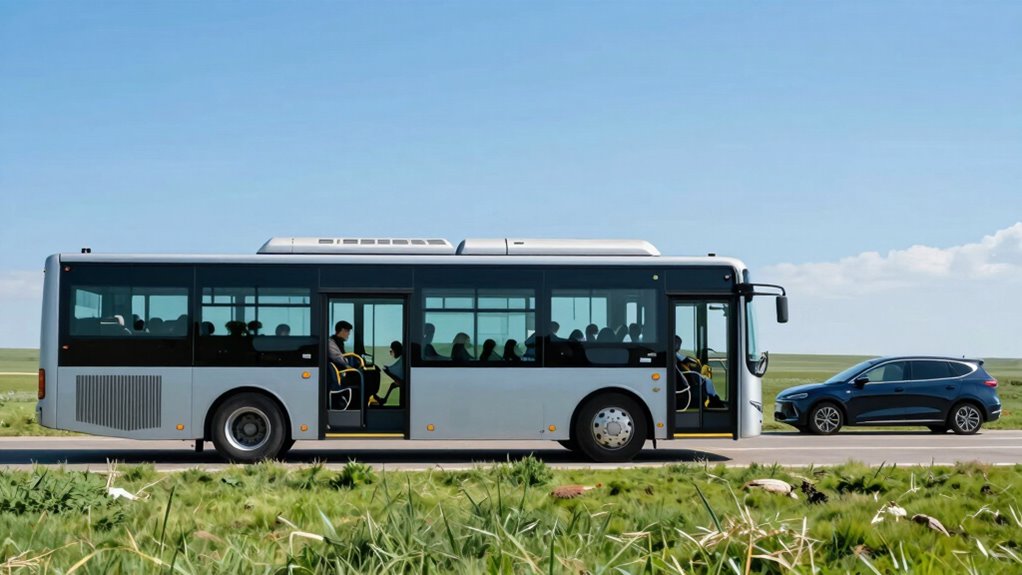
Since multiple passengers share a single vehicle, each person’s travel contributes less to the overall emissions, resulting in a smaller carbon footprint per passenger. Shared shuttles maximize carpool efficiency by increasing vehicle occupancy, which spreads emissions over more individuals. Higher vehicle occupancy means fewer trips are needed, reducing total emissions. This approach also benefits fuel consumption by making each mile more environmentally efficient. Additionally, shared shuttles often utilize fuel-efficient vehicles designed for high occupancy, further lowering emissions per person. This method aligns with sustainable transportation practices by reducing the number of vehicles on the road, thereby minimizing environmental impact and promoting more environmentally friendly travel options. vehicle occupancy optimization plays a key role in achieving these benefits.
What Factors Affect Emissions in Private Transfer Services?

Several factors influence the emissions produced by private transfer services, and understanding these can help you make more eco-friendly choices. Two key elements are fuel efficiency and vehicle type. More fuel-efficient vehicles emit fewer greenhouse gases, while larger or less efficient vehicle types tend to produce more emissions. For example:
| Vehicle Type | Emissions Impact |
|---|---|
| Electric Vehicles | Zero tailpipe emissions, minimal impact |
| SUVs and Vans | Higher fuel consumption, more emissions |
| Sedans | Moderate emissions, fuel-efficient |
Choosing a vehicle with better fuel efficiency and opting for smaller or electric cars can considerably reduce your carbon footprint, making your private transfer more eco-friendly. Improving vehicle performance metrics can further enhance emissions reduction, especially when considering emissions testing and regular maintenance to keep vehicles running optimally. Additionally, selecting routes that minimize idling and unnecessary detours can help reduce overall emissions footprint. Implementing eco-driving techniques such as smooth acceleration and deceleration can also contribute to lowering emissions during your trip. Moreover, adopting advanced navigation systems can optimize your route for maximum efficiency.
How Can Travelers Reduce Their Transportation Carbon Footprint?
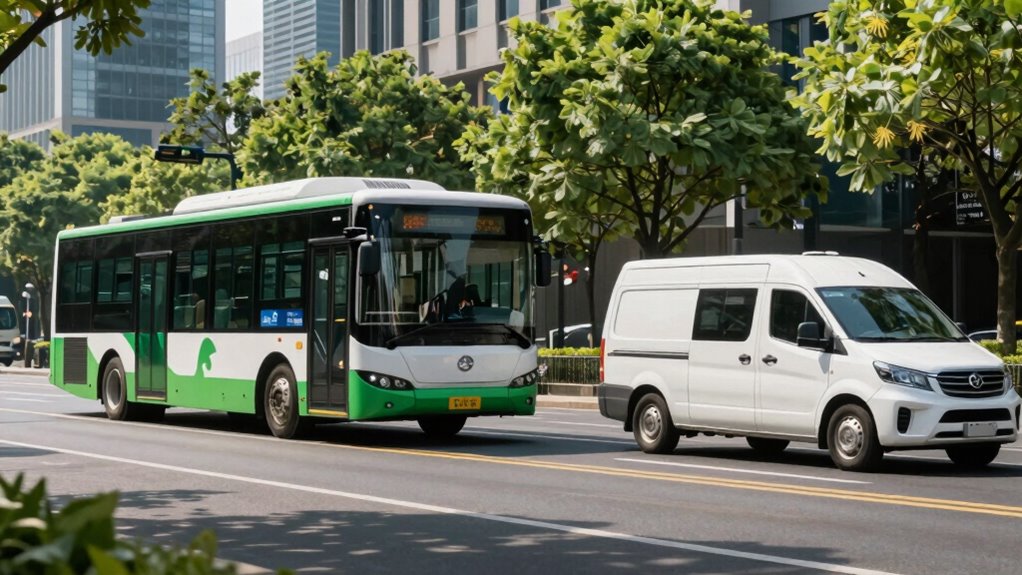
To minimize your transportation carbon footprint, start by choosing eco-friendly options whenever possible. You can adopt eco friendly practices such as using public transportation, walking, or biking instead of private vehicles. Carpooling with others reduces emissions per person and maximizes vehicle efficiency. Consider selecting services that prioritize fuel-efficient or electric vehicles to lower your impact. Carbon offsetting is another effective method—invest in projects that reduce emissions elsewhere, balancing your travel footprint. Additionally, plan your trips to avoid unnecessary journeys, and consolidate errands to reduce trips overall. Being aware of Deaf Vibes techniques can also encourage quieter, less disruptive travel options that benefit communities and the environment alike. Supporting art care practices that promote sustainable transportation options can enhance your eco-friendly travel efforts. By making informed choices and supporting sustainable transportation, you contribute to lowering greenhouse gases and promoting environmental health. Small changes in your travel habits can lead to significant reductions in your overall transportation footprint.
Is Choosing a Shared Shuttle Better for the Environment Than a Private Transfer?

Choosing a shared shuttle often proves to be more environmentally friendly than booking a private transfer, especially when you’re traveling alone or with just one other person. Shared shuttles maximize bus efficiency by transporting multiple passengers in one vehicle, reducing the number of trips needed. Because the vehicle size is optimized for several travelers, it minimizes emissions per passenger compared to private transfers, which often involve larger, less efficient vehicles or single-passenger trips. This means fewer carbon emissions overall. By choosing a shared shuttle, you help lower your carbon footprint and contribute to fewer vehicle emissions on the road. Additionally, utilizing transportation efficiency tech ensures that your journey is tracked accurately, promoting responsible travel choices. It’s a practical way to travel greener, as it makes better use of transportation resources and reduces the environmental impact of your journey. Moreover, emission reduction strategies in shared transportation can significantly decrease overall pollution levels, making your travel choices more sustainable. Implementing fleet management systems further optimizes vehicle routing, enhancing the environmental benefits of shared transportation. Incorporating real-time tracking can also lead to more precise scheduling and fewer idle times, further reducing emissions.
Frequently Asked Questions
How Do Vehicle Types Impact the Environmental Footprint of Each Transfer Option?
Your choice of vehicle type considerably impacts the environmental footprint of each transfer. Larger vehicles like vans or buses tend to consume more fuel and emit more CO2, especially if they’re not fuel-efficient. Smaller, fuel-efficient cars reduce emissions and are more eco-friendly. So, when selecting a transfer, consider vehicle size and fuel efficiency to minimize your environmental impact, making your trip greener and more sustainable.
What Role Does Booking Time Play in the Sustainability of Shuttle Services?
Booking time plays a vital role in the sustainability of shuttle services by offering you flexibility that helps optimize vehicle capacity, reducing empty seats and emissions. When you plan ahead, you enable better scheduling, which enhances service reliability and decreases the environmental footprint. Your timely bookings guarantee efficient use of resources, minimizing unnecessary trips and promoting eco-friendly travel options for everyone.
Are Electric or Hybrid Vehicles More Common in Private Transfers?
Electric vehicles are becoming more common in private transfers, offering a greener alternative. Hybrid cars also see growing use, combining traditional fuel with electric power to reduce emissions. You’ll notice more private transfer services adopting these eco-friendly options, helping cut your carbon footprint. By choosing a private transfer with electric or hybrid vehicles, you support sustainability and enjoy a quieter, cleaner ride.
How Does Route Efficiency Affect the Overall Emissions of Shared Shuttles?
You’ll be surprised to learn that poorly optimized routes can increase emissions by up to 30%. Route efficiency markedly impacts shared shuttles’ emissions, as better route optimization and high passenger density mean fewer trips and less fuel use. When shuttles follow streamlined paths and carry more passengers, they reduce their carbon footprint, making your shared ride both eco-friendlier and more cost-effective.
What Are the Future Trends in Eco-Friendly Transportation for Travelers?
You’ll see more eco-friendly transportation with future trends like autonomous vehicles and renewable fuels. Autonomous vehicles will optimize routes, reducing emissions, while renewable fuels will power cars with less environmental impact. As a traveler, you can expect greener options that lower your carbon footprint. These innovations aim to make travel more sustainable, helping you enjoy your trips while caring for the planet.
Conclusion
Choosing a shared shuttle truly makes a difference—you might think your individual transfer doesn’t impact the environment, but it does. By opting for a shared ride, you’re not just saving money; you’re actively reducing your carbon footprint and helping fight climate change. It’s easy to believe your small action won’t matter, but collectively, these choices add up. So next time, consider sharing your ride—it’s a simple step toward a cleaner, greener planet for everyone.