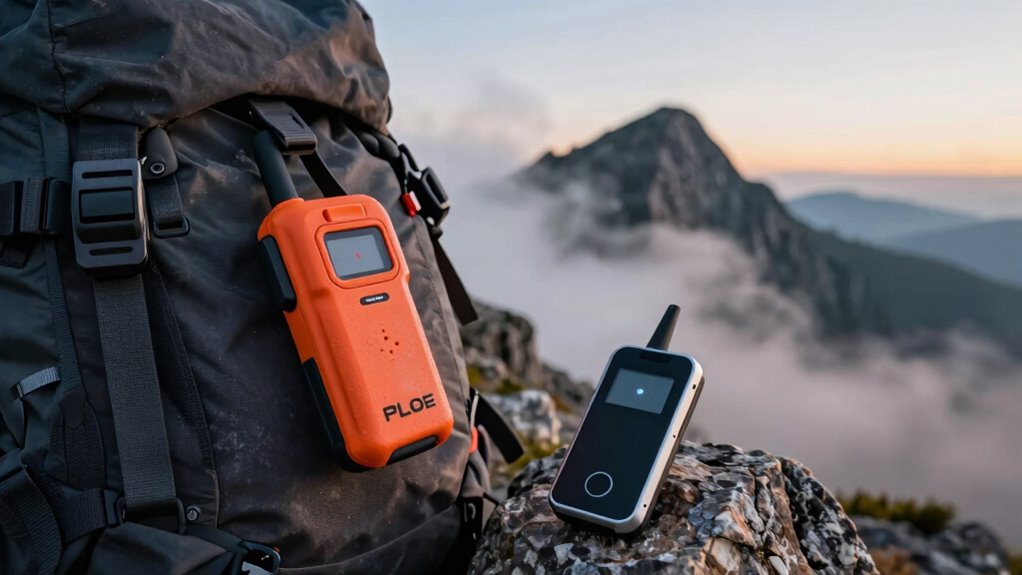
When choosing between a PLB and a satellite messenger for emergency communication, consider that a PLB solely transmits distress signals via dedicated satellite networks, providing rapid rescue alerts without much fuss. A satellite messenger offers two-way messaging, allowing you to check in and request help before an emergency occurs. Both are reliable tools for remote safety, but understanding their differences helps you pick the best device for your adventures—discover more details ahead.
Key Takeaways
- PLBs are dedicated devices that transmit emergency distress signals with GPS data via satellite networks, focusing solely on rescue alerts.
- Satellite messengers offer two-way communication, enabling users to send and receive messages in addition to emergency alerts.
- PLBs activate automatically during emergencies, providing rapid distress signaling even if the user is unconscious or unable to communicate.
- Satellite messengers expand safety options by allowing regular check-ins, non-emergency messaging, and assistance requests beyond distress signals.
- Both devices rely on satellite networks providing global coverage, but PLBs prioritize simplicity and reliability for emergency rescue situations.
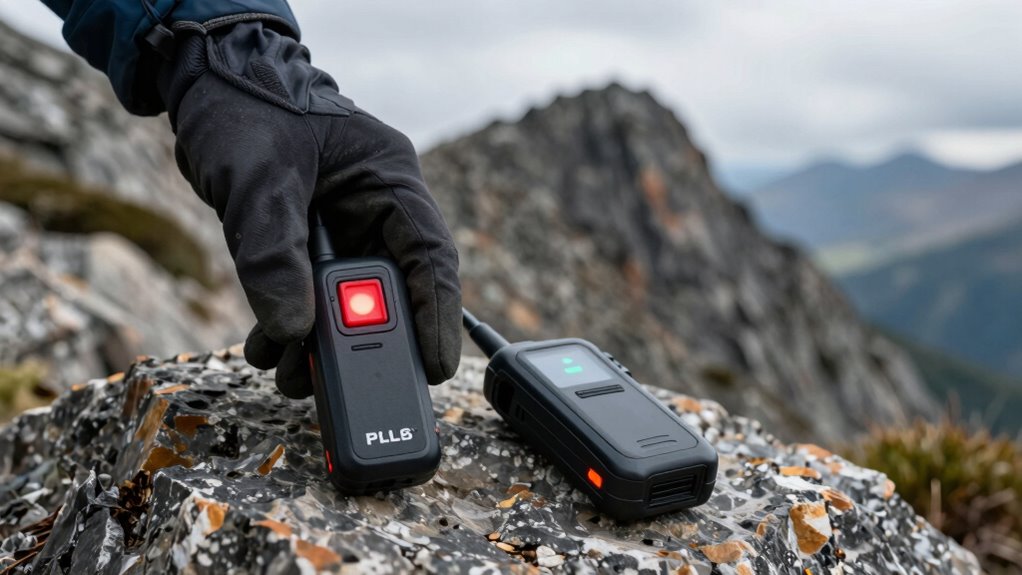
Have you ever wondered how emergency responders stay connected during a crisis? When you’re in remote areas or out on the water, staying connected can mean the difference between rescue and prolonged distress. That’s where Personal Locators and satellite networks come into play. A Personal Locator Beacon (PLB) is a compact device designed specifically for emergencies. When activated, it transmits a distress signal via a dedicated satellite network, alerting rescue services to your exact location. These devices are built to be dependable, rugged, and simple to operate, making them essential tools for adventurers, boaters, and hikers venturing into isolated areas. The moment you activate a PLB, it sends a distress signal that includes your GPS coordinates, ensuring rescue teams can locate you quickly, even if you’re unconscious or unable to communicate.
Personal Locator Beacons use satellite networks to send rescue signals from remote, unreachable areas.
The satellite network used by PLBs is a crucial component. Unlike regular cell phone networks, which can be unavailable in remote regions, satellite networks provide global coverage. These networks are maintained by organizations like Cospas-Sarsat, a satellite system dedicated to search and rescue operations. When you activate your Personal Locator, the signal is transmitted directly to this satellite system, which then relays your distress message to the nearest rescue coordination center. This process happens quickly, often within minutes, giving you a critical window of opportunity for rescue. Because the system relies on a dedicated satellite network rather than commercial cell towers, it remains operational even when you’re off the grid. Reliable coverage is essential for emergency devices to function effectively in remote environments.
While PLBs are focused solely on emergency signaling, satellite messengers offer more versatile communication options. They often include two-way messaging capabilities, allowing you to send and receive texts, check-in with loved ones, or request assistance beyond just emergency alerts. However, their functioning also depends on satellite networks, which can vary in coverage and cost. Both devices, regardless of their differences, leverage satellite technology to overcome the limitations of terrestrial networks, ensuring you can get help when traditional communication methods fail.
In essence, your personal safety in remote environments hinges on reliable communication tools. A Personal Locator paired with a satellite network provides peace of mind, knowing that your distress signal can reach rescue teams no matter where you are. Whether you’re venturing into the wilderness or sailing across open waters, understanding how these technologies work together can make all the difference in an emergency. They serve as your lifeline, bridging the gap between isolation and rescue, and ensuring you’re never truly out of reach when it matters most.
Frequently Asked Questions
How Long Does the Battery Last on Each Device?
Your PLB’s battery longevity typically lasts around 24 to 48 hours in standby mode, with some models offering extended power management options. Satellite messengers usually provide between 100 to 200 hours of battery life, depending on usage and settings. To maximize battery life, use effective power management, like turning off unnecessary features when not in use. Always carry a spare or recharge your device to guarantee you’re prepared in emergencies.
Can These Devices Be Used Internationally Without Extra Fees?
Did you know over 60% of satellite messengers support international use? You can generally use these devices abroad, but check for roaming fees, as they vary by provider. Some devices include global coverage without extra charges, while others may incur significant fees. Always review your device’s plan before traveling to avoid unexpected costs and guarantee reliable communication during emergencies, no matter where you are.
What Are the Costs Associated With Activating an SOS Signal?
The costs for activating an SOS signal vary depending on the device and service provider. With a PLB, activation is usually free, but you might face rescue costs if help is needed. Satellite messengers often charge activation fees and may have plan costs for ongoing service. The activation procedures are straightforward: press the emergency button, and follow prompts, but be aware of potential charges and plan details beforehand to avoid surprises.
Are PLBS Waterproof and Rugged Enough for Harsh Conditions?
Yes, PLBs are designed with device durability and weather resistance in mind. They’re typically waterproof and rugged enough to handle harsh conditions like rain, snow, and rough handling. Most models meet strict standards such as IP67 or IP68, ensuring they stay functional even in extreme environments. You can rely on your PLB to perform reliably when you need it most, regardless of the weather or rugged terrain.
How Reliable Is Satellite Coverage in Remote Areas?
Think of satellite coverage like a web that’s sometimes fragile in remote areas. The reliability depends on satellite signal strength and coverage limitations, which can vary with weather, terrain, or obstructions. In the most isolated spots, signals may weaken or drop, so you might not always get instant help. It’s wise to be prepared for these gaps and understand that satellite communication isn’t foolproof but still your best shot outside cellular zones.
Conclusion
When you’re miles from civilization, surrounded by silent forests or rugged mountains, your choice of emergency gear becomes your lifeline. A Personal Locator Beacon or satellite messenger can be the difference between rescue and regret. Picture the glow of your device piercing the night or the reassuring beep signaling help is on its way. Trust in the right communication tool, and you’ll face the wilderness with confidence, knowing help can reach you when it’s needed most.