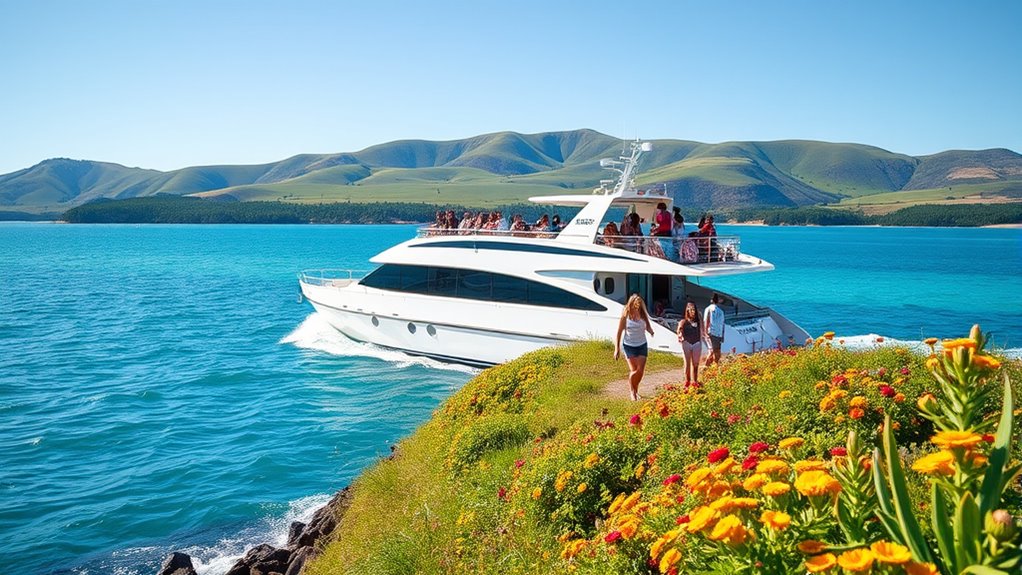

Ferries are your eco-friendly option for hopping between islands and coastal towns. They prioritize foot passengers, ensuring smooth boarding and easy travel. With many operators now using hybrid or electric vessels, you can enjoy a cleaner trip while supporting local tourism. Onboard amenities enhance your experience, making every journey comfortable. Plus, safety regulations keep you and the crew protected. Discover how these innovations make ferry travel even better for you in the rest of the article.
Key Takeaways
- Ferries are vital for foot passengers, connecting islands and enhancing local tourism while promoting community connectivity.
- Eco-friendly technologies, such as hybrid and electric vessels, significantly reduce emissions and environmental impact in ferry operations.
- Safety regulations ensure organized boarding and disembarking processes, prioritizing foot passenger safety during transit.
- Onboard amenities like comfortable seating and food services improve the travel experience for foot passengers.
- Enhanced sound design and green innovations contribute to a pleasant and eco-conscious ferry journey.
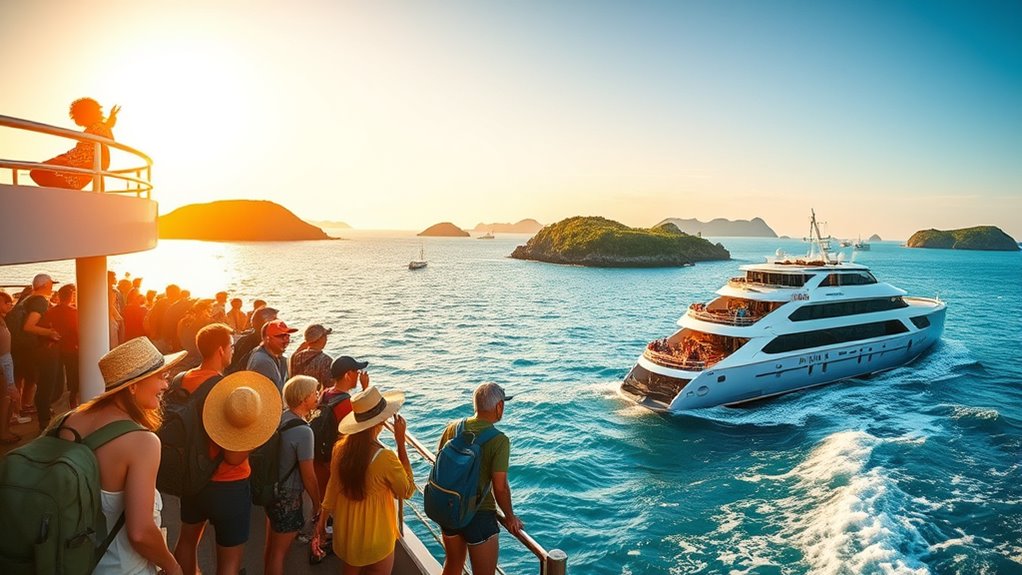
Have you ever wondered how ferries seamlessly accommodate foot passengers while traversing busy waterways? It’s a fascinating blend of logistics and innovation that guarantees everyone travels safely and comfortably. Ferries play a critical role in connecting islands and coastal towns, making it essential for them to cater to foot passengers. You’ll find that these vessels not only prioritize efficiency but also aim to minimize their environmental impact.
When you step onto a ferry as a foot passenger, you’re likely to notice how well the boarding process is organized. Safety regulations dictate clear pathways and designated waiting areas, guaranteeing you can board and disembark without hassle. These regulations aren’t just about convenience; they’re indispensable for your safety and that of your fellow passengers. The crew is trained to manage boarding processes, and they’re equipped with emergency protocols. It’s reassuring to know that, as a foot passenger, your safety is a top priority.
Moreover, ferries are increasingly adopting eco-friendly technologies to lessen their environmental impact. Many operators are investing in hybrid or fully electric vessels, which considerably reduce emissions compared to traditional diesel engines. If you’re environmentally conscious, you’ll appreciate that these innovations not only help in reducing air pollution but also contribute to cleaner waterways. The shift towards greener technology is a step in the right direction, making ferry travel an appealing option for those who want to minimize their carbon footprint. The integration of sound design techniques helps enhance the auditory experience onboard, making your journey even more enjoyable.
You might also notice that ferries often provide amenities tailored for foot passengers. Whether it’s comfortable seating, food services, or information displays, operators are keen on enhancing your travel experience. They understand that a smooth journey can make all the difference, especially when you’re heading to a beautiful island destination. By prioritizing passenger comfort while adhering to safety regulations, ferries guarantee that you can relax and enjoy the ride.
Frequently Asked Questions
What Is the Environmental Impact of Ferries Compared to Cars?
Ferries generally have a lower environmental impact compared to cars, especially when you consider emissions comparison. While cars emit more greenhouse gases per passenger, ferries can be more fuel-efficient, transporting numerous people at once. By choosing ferries, you reduce the total number of vehicles on the road, contributing to less congestion and pollution. So, if you’re looking for a greener option, hopping on a ferry might be the better choice for your travels.
Are There Discounts Available for Foot Passengers on Ferries?
Yes, there are often discounts available for foot passengers on ferries. You can take advantage of discounted foot fares, especially during off-peak times. Many ferry services also offer group ticket options, making it even more affordable if you’re traveling with friends or family. Be sure to check the specific ferry operator’s website or contact customer service to find the best deals for your trip. Enjoy your island hopping experience!
Can I Bring My Bicycle on the Ferry as a Foot Passenger?
Yes, you can usually bring your bicycle on the ferry as a foot passenger! But isn’t it great to explore the islands on two wheels? Each ferry has its own bike transport policies, so it’s essential to check ahead for any fees or restrictions. Some ferries might have limited bike space, especially during peak times. Always arrive early to secure your spot and enjoy your ride across the water!
What Safety Measures Are in Place for Foot Passengers on Ferries?
Ferries prioritize your safety with strict boarding procedures. You’ll find clearly marked paths and staff guiding you to guarantee a smooth boarding experience. Emergency preparedness is also key; ferries are equipped with safety equipment like life jackets and lifeboats, and crew members undergo regular training. In case of an emergency, you’ll receive clear instructions to follow. So, rest assured, your safety’s in good hands while you enjoy your journey!
How Do I Find Ferry Schedules and Routes for Foot Passengers?
To find ferry schedules and routes for foot passengers, start by checking online ferry ticket booking platforms. Did you know that 30% of travelers prefer ferries for their scenic routes? Use route planning tools on these sites to view schedules and available paths. You can also visit local ferry terminal websites for the most accurate and updated information. Planning ahead makes certain you won’t miss your ride and can enjoy a smooth journey.
Conclusion
So, while you hop from one picturesque island to another, marveling at the eco-friendly ferries designed for foot passengers, it’s amusing to think that the same journeys, meant to reduce your carbon footprint, might just leave you wondering about the fumes from those other boats still chugging along. You’re saving the planet, one wave at a time, yet the irony isn’t lost on you—nature’s beauty remains, even as you navigate through the remnants of human impact.