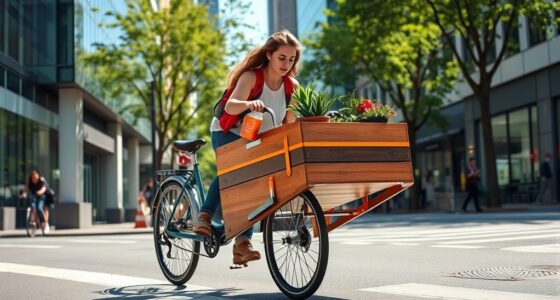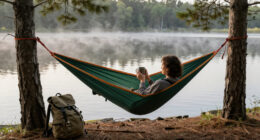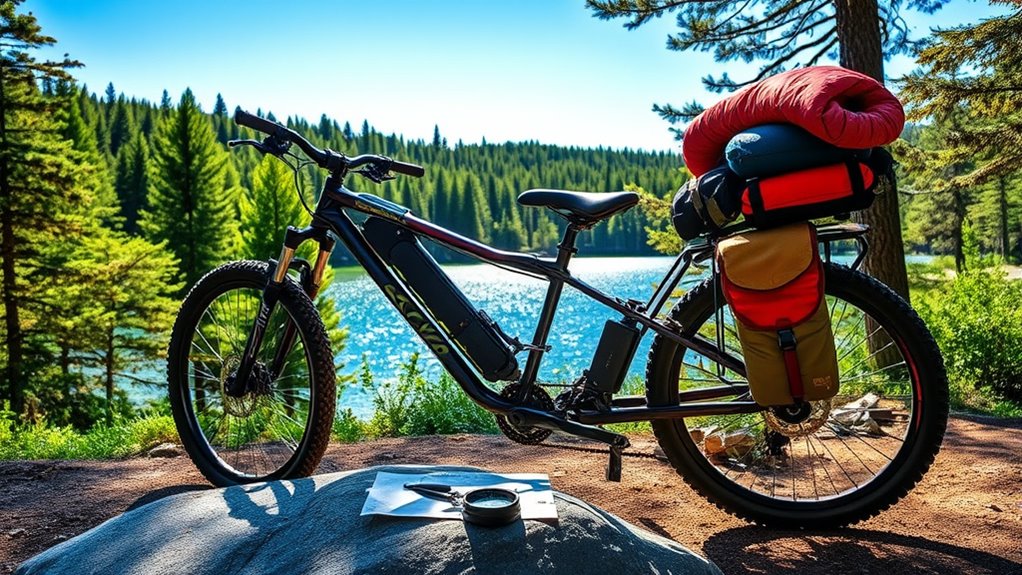

Bikepacking mixes cycling and camping, letting you explore trails and beautiful landscapes. To start, choose a reliable bike for various terrains and pack lightweight gear like a tent, sleeping bag, and portable stove. Plan your route based on your skill level, considering scenery and amenities. Stay flexible during your journey to adapt to changing conditions and enjoy unexpected detours. With the right preparation, you’ll set out on an unforgettable adventure, discovering even more exciting tips ahead.

Get travel and outdoor gear delivered free with Prime
- Fast, free delivery on millions of items
- Prime Video, Amazon Music and more included
- Member-only deals all year
Key Takeaways
- Choose a reliable bike suited for the terrain, like a mountain or touring bike, for optimal performance during your adventure.
- Pack essential gear including a lightweight tent, sleeping bag, cooking equipment, and bike repair tools for a comfortable and safe experience.
- Plan your route by researching trails that match your skill level, considering scenery, distance, and available amenities along the way.
- Stay flexible and be prepared to adapt your plans based on weather changes, terrain challenges, or unexpected discoveries during your journey.
- Embrace the adventure by connecting with nature and enjoying the unique experiences that bikepacking offers as you explore new landscapes.
Bikepacking Basics
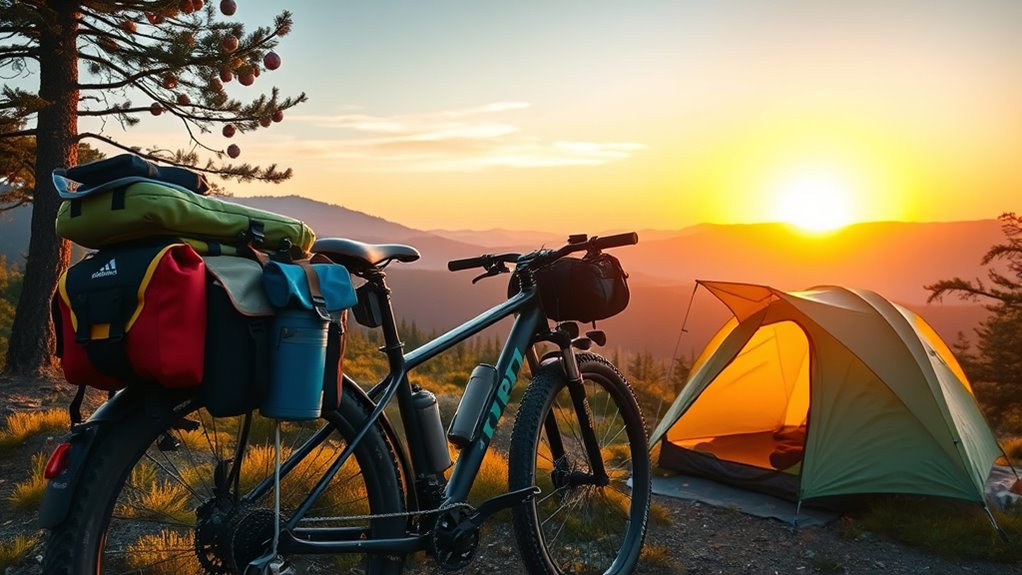
Have you ever wondered how to combine the thrill of cycling with the adventure of camping? Bikepacking is the perfect way to explore the great outdoors while enjoying the freedom of two wheels. It’s an exciting blend of cycling and camping that allows you to discover new trails, beautiful landscapes, and remote campsites. If you’re new to bikepacking, getting started might feel overwhelming, but with the right gear selection and route planning, you can set off on an unforgettable journey.
Discover the thrill of bikepacking, where cycling meets camping for unforgettable adventures in the great outdoors.
First things first, let’s talk about gear selection. The right equipment can make or break your bikepacking experience. You’ll want a reliable bike that can handle different terrains, whether it’s a mountain bike or a touring bike. Once you’ve got your bike sorted, focus on packing light but wisely. A good bikepacking setup includes a lightweight tent or bivy sack, a sleeping bag, and a sleeping pad. Don’t forget essential cooking gear like a portable stove or a camping pot, along with food that’s easy to prepare and carry. Hydration is vital, so invest in a quality water bottle or hydration system. Make sure you have tools for basic bike repairs too; you never know when you might need them on the trail. Additionally, color accuracy in your gear choices can enhance your visual comfort during rides at different times of the day.
Now that you’ve got the gear, it’s time to plunge into route planning. Having a solid plan ensures you’ll enjoy the ride without unwanted surprises. Start by researching trails that suit your skill level and desired experience. Look for bikepacking routes that offer a mix of scenery, difficulty, and amenities. Online resources, local bike shops, and forums can provide valuable insights on the best trails. Consider the distance you’re comfortable cycling each day and factor in potential camping spots along the way. It’s also wise to check the terrain, weather, and availability of water sources.
As you plan your route, remember to be flexible. Conditions can change, and exploring unexpected detours can lead to some of the best memories. Make sure to keep a map or GPS device handy in case your phone loses signal. Once you’ve got your gear dialed in and your route planned, you’re ready to hit the road. Embrace the adventure, enjoy the ride, and connect with nature. Bikepacking offers a unique way to experience the world around you, and with a little preparation, you’re set for an incredible journey.
Frequently Asked Questions
What Type of Bike Is Best for Bikepacking?
The best bike for bikepacking typically has a strong frame, like a steel or aluminum option, to handle rough terrain and heavy loads. When you’re choosing tires, go for wider ones that offer more grip and comfort on varied surfaces. A gravel or adventure bike is often ideal, as it combines stability with versatility. Make sure your bike’s geometry allows for a relaxed riding position to help tackle those long distances comfortably.
How Do I Choose the Right Gear for My Trip?
Choosing the right gear for your trip means balancing comfort and weight. You want essential packing accessories that enhance your experience without weighing you down. Consider lightweight tents versus heavier options; the former’s easier to carry, but the latter offers more durability. Prioritize multi-functional gear to save space and weight. Always think about gear weight considerations when packing, as every ounce counts on the trail. Make your adventure enjoyable by selecting wisely!
Can I Bikepack With Kids or Pets?
Absolutely, you can bikepack with kids or pets! Look for family-friendly routes that cater to both, ensuring everyone enjoys the adventure. If you’re bringing pets, pack the right pet accessories like a comfortable carrier, water bowl, and leash. Make sure to plan frequent stops so your kids and pets can stretch and explore. With the right preparation, bikepacking can be a fantastic bonding experience for your whole family!
What Are Some Essential Safety Tips for Bikepacking?
When you’re out there, embracing the open trail, safety’s your best companion. Always wear a helmet; it’s your trusty shield against unexpected bumps. Stay alert and practice trail awareness—keep an eye on your surroundings and be mindful of other riders. Make sure to pack a first aid kit and a reliable repair toolset. Hydration’s key too; don’t forget to drink plenty of water while you enjoy the journey!
How Do I Plan My Bikepacking Route Effectively?
To plan your bikepacking route effectively, start by using mapping tools to chart your course. Consider the distance you want to cover each day and locate campsites along the way. Perform a terrain analysis to understand elevation changes and potential challenges. Don’t forget to check weather conditions and water sources. By combining these elements, you’ll create a safe and enjoyable route tailored to your biking skills and preferences.
Conclusion
In summary, bikepacking blends adventure and exploration, offering you a chance to escape everyday existence. Embrace the essentials—proper gear, planning, and practice—as you set out on your journey. Each pedal pushes you closer to breathtaking backroads and beautiful vistas. So, gear up, gather your gumption, and glide into the great outdoors. With every trip, you’ll discover the delightful dance of nature and nurture your newfound love for bikepacking’s boundless beauty. Happy trails!
Halloween Picks
halloween
As an affiliate, we earn on qualifying purchases.