You need to think about your environment and daily risks when choosing security features for your bag, as different situations require different protections. For example, urban areas and travel often call for RFID blocking and lockable compartments, while casual outings might only need simple zippers. Tailoring your security to your lifestyle helps prevent theft and keeps your valuables safe without added hassle. If you want to understand how to match features to your needs, keep exploring these important factors.

Get travel and outdoor gear delivered free with Prime
- Fast, free delivery on millions of items
- Prime Video, Amazon Music and more included
- Member-only deals all year
Key Takeaways
- Different environments pose distinct theft and electronic intrusion risks requiring tailored security solutions.
- Lifestyle and routine influence which security features are necessary and effective.
- Overly complex features may be unnecessary for casual use, while critical for travel or high-risk areas.
- Context ensures security features provide optimal protection without compromising convenience.
- Understanding specific threats helps in selecting appropriate, cost-effective security measures.

Have you ever wondered how bags are designed to keep your belongings safe? It’s not just about looking stylish; the security features built into bags serve specific purposes that depend on your lifestyle and the environments you frequent. For example, many modern bags include hidden compartments, which are cleverly concealed sections that allow you to stow valuables discreetly. These compartments aren’t obvious at first glance, making it harder for pickpockets to locate your most important items. You might find these hidden pockets in seams or underneath layers of fabric—designed specifically to keep your money, passports, or other essentials out of sight and out of reach from casual thieves.
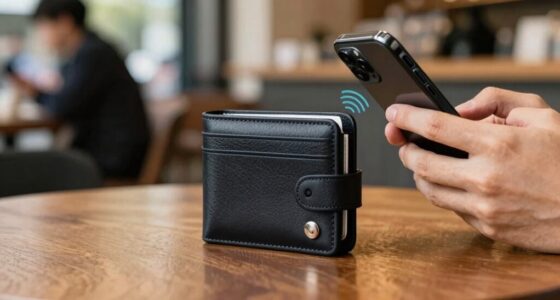
Along with hidden compartments, RFID blocking technology has become a major feature in many security-conscious bags. Radio Frequency Identification (RFID) chips are embedded in some credit cards, passports, and IDs, allowing quick scanning at checkout or border control. While convenience is great, it also opens up the risk of electronic theft, where hackers can remotely scan and steal your information without your knowledge. That’s why RFID blocking is so important; the fabric or lining in these bags creates a barrier that prevents unauthorized scanning. This security feature is especially useful when traveling or in crowded places, where the risk of electronic theft increases. But it’s essential to understand that RFID blocking is just one part of a broader security strategy; it works best when combined with other features like secure zippers or lockable compartments. Recognizing security feature design as a crucial aspect can help consumers select bags that truly match their security concerns. Additionally, understanding the environments in which you use your bag can help determine which features will be most effective. For example, urban areas often present different security challenges than rural or outdoor settings. Tailoring your choices to specific threats can significantly enhance your overall security approach.
However, the effectiveness of these security features depends on the context in which you use your bag. For instance, a bag with hidden compartments and RFID blocking may be perfect for international travel, where thieves often target valuables and sensitive information. But if you’re just heading to the gym, these features might be less critical. Understanding your specific needs helps you choose the right security features to match your routine and environment. A bag designed with security in mind should align with your lifestyle, providing peace of mind without sacrificing convenience. Recognizing the importance of context ensures you don’t overpay for unnecessary features or, worse, underestimate the risks you face. Ultimately, a well-chosen bag with the right security features can protect your belongings effectively, especially when you understand how and where you’re most vulnerable. Being aware of potential security risks can help you make more informed decisions and prevent theft or loss in various situations.
As an affiliate, we earn on qualifying purchases.
Frequently Asked Questions
How Do Security Features in Bags Vary Across Different Regions?
Security features in bags vary across regions mainly due to regional regulations and cultural variations. You’ll notice stricter standards in places like airports in North America and Europe, with features like tamper-proof zippers and RFID blocking. In other regions, cultural preferences influence design, such as hidden compartments or traditional motifs. You adapt your expectations based on these factors, understanding that security measures are tailored to regional safety concerns and cultural norms.
Are High-Tech Security Features More Effective Than Traditional Ones?
Think of security features as the guard at your door; high-tech ones act like a sleek, smart security system, often more effective than traditional locks. They enable smart integration, making it easier to track and control access, which enhances user convenience. While traditional features rely on physical barriers, modern tech offers real-time alerts and customization, giving you peace of mind. Ultimately, high-tech security provides a smarter, more responsive defense.
Can Security Features in Bags Affect Their Durability or Weight?
Security features can impact your bag’s durability and weight due to material integrity and weight implications. When extra security layers are added, they may weaken certain materials or increase overall weight, making the bag less durable or harder to carry. You should consider these factors when choosing security features, balancing protection with practicality to guarantee your bag remains sturdy and manageable for everyday use.
Do Security Features in Bags Comply With International Safety Standards?
Security features in bags generally comply with international safety standards, acting like a fortress guarding your belongings. You should check if the encryption protocols used for smart bags meet global data protection laws, and guarantee material compatibility so features don’t compromise bag integrity. Manufacturers often test these standards to ensure safety and compliance, giving you peace of mind that your bag’s security measures are up to international benchmarks.
How Often Should Security Features in Bags Be Updated or Replaced?
You should update or replace security features in bags based on their security feature lifespan and material degradation. Typically, security features last 3-5 years, but this varies depending on usage and exposure to environmental factors. Regularly inspect your bag’s security components for signs of wear or damage, and replace them promptly to guarantee continuous protection. Staying proactive helps maintain the effectiveness of your security features over time.
Conclusion
So, next time you’re choosing a bag, ask yourself: are those security features really enough for your needs? It’s not just about having the latest gadgets or flashy locks — understanding the context in which you’ll use your bag makes all the difference. Don’t settle for security measures that don’t suit your lifestyle. After all, isn’t it worth investing in protection that truly keeps your belongings safe and your mind at ease?
Halloween Picks
halloween
As an affiliate, we earn on qualifying purchases.