Understanding watts and watt-hours helps you manage your energy better during trips. Watts measure how fast your device consumes power at any moment, while watt-hours show the total energy stored or used over time. Knowing both lets you estimate how long your batteries or power banks will last and avoid surprises. If you want practical tips on how to maximize your device usage and plan your power needs, keep going for more insights.

Get travel and outdoor gear delivered free — and shop member deals
- Fast, free delivery on millions of items
- Access to Prime Big Deal Days deals on October 6–7
- Prime Video, Amazon Music and more included
Key Takeaways
- Watts measure the rate of energy consumption or production at a specific moment, indicating power flow.
- Watt-hours indicate the total energy stored or used over time, reflecting battery capacity.
- To estimate device run time, divide battery watt-hours by the device’s watt consumption.
- Knowing both units helps plan energy needs and prevent device shutdowns during travel.
- Comparing watt-hours ensures selecting the right portable power source for your device and trip needs.
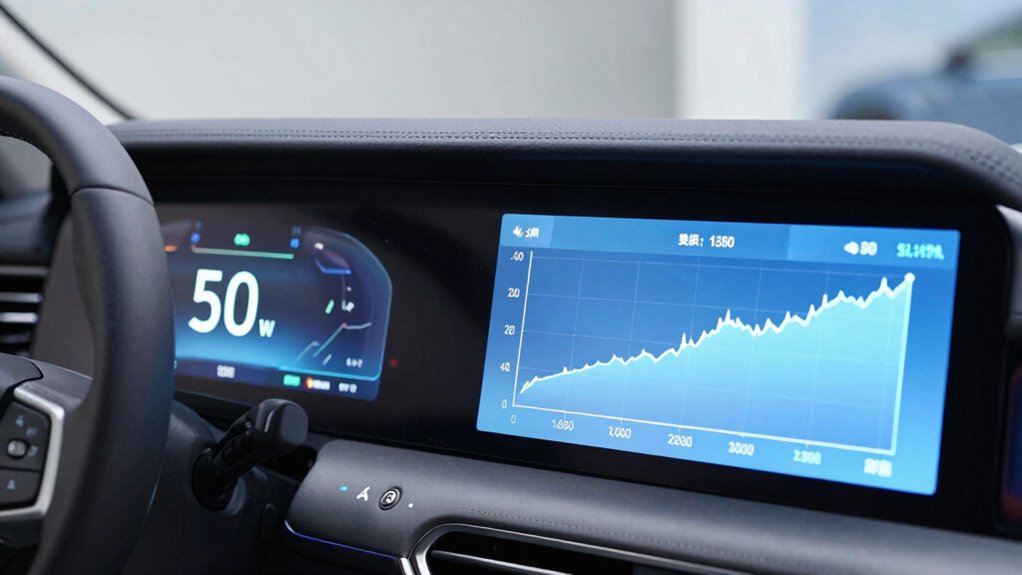
Understanding the difference between watts and watt-hours is essential when dealing with electrical power and energy. This knowledge can help you make smarter choices about your devices, especially when managing battery capacity and energy consumption during your travels or daily routines. Watts measure how quickly energy is used or produced at a specific moment, while watt-hours tell you the total amount of energy used over a period. Grasping these concepts ensures you understand how long your gadgets will last or how much power your appliances need, preventing surprises when your devices run out of juice. Recognizing power measurement units is fundamental for effective energy management.
When you look at a battery, the first thing to check is its capacity, usually expressed in watt-hours. This figure indicates how much energy the battery can store and deliver before needing a recharge. For example, if your portable power bank has a capacity of 20 watt-hours, it can theoretically supply 20 watts for one hour or 10 watts for two hours. Understanding this helps you plan your energy consumption effectively, especially in situations where power sources are limited or unavailable. It also helps you compare different batteries or power sources to find the most suitable one for your needs.
Energy consumption is another critical factor. When you’re using an electronic device, it consumes power at a rate measured in watts. Knowing this rate helps you estimate how long your device will run on a given battery capacity. For instance, if your laptop consumes 50 watts, a battery with a 100-watt-hour capacity can power it for approximately two hours, assuming no other losses. Keep in mind that actual run times might vary due to efficiency losses and other factors, but understanding the basic relationship between watts and watt-hours gives you a solid starting point for planning.
Frequently Asked Questions
How Do I Convert Watts to Watt-Hours for My Device?
To convert watts to watt-hours, you need to do a simple power conversion and energy calculation. First, determine how long your device runs in hours. Then, multiply the wattage by the hours of use. For example, if your device uses 100 watts for 3 hours, it consumes 300 watt-hours of energy. This conversion helps you understand energy consumption and plan your power needs effectively.
Why Does My Battery Capacity Differ From Watt-Hours to Watt Measurements?
Think of your battery as a reservoir of energy, and watts as the flow rate, while watt-hours are the total volume. Your battery capacity differs because watts measure instantaneous power, whereas watt-hours account for total energy over time. This difference impacts your battery life and energy efficiency. So, if your device shows a lower watt-hour rating than expected, it might just reflect real-world usage, helping you manage power better.
Can Watt-Hours Help Me Compare Different Energy Sources?
Yes, watt-hours help you compare different energy sources by enabling efficiency analysis. When you examine watt-hours, you see the actual energy a source provides over time, making it easier to evaluate which is more effective for your needs. This comparison helps you choose the most efficient energy source, whether it’s solar, battery, or grid power, ensuring you optimize your energy use and maximize your trip’s sustainability and cost-effectiveness.
What Equipment Accurately Measures Watt-Hours in Real-Time?
Imagine a helpful guide in your toolkit, quietly keeping track of your power use. Battery monitors and energy meters are your best friends for accurately measuring watt-hours in real-time. They plug into your system, giving you clear, instant readings without fuss. These devices help you see exactly how much energy you’re consuming or storing, making it easier to manage your resources efficiently and avoid surprises on your journey.
How Do Watt-Hours Impact My Travel Planning and Device Usage?
Watt-hours directly influence your travel planning and device usage by helping you manage your battery effectively. When you know your device’s watt-hour capacity, you can optimize battery management, ensuring your gadgets last longer throughout your trip. This knowledge boosts energy efficiency, allowing you to plan recharges better and avoid unexpected power loss. By understanding watt-hours, you make smarter decisions about which devices to use and when, maximizing your travel convenience.
Conclusion
Understanding watts and watt-hours helps you make smarter choices, save energy, and extend your battery life. It’s about knowing what your devices need, how long they’ll last, and how to use power wisely. By grasping the difference, you can compare, plan, and optimize your energy use confidently. It’s about making informed decisions, saving money, and enjoying a smoother, more efficient trip. Power smart, stay energized, and keep moving forward.
Evergreen bestsellers Picks
bestsellers
As an affiliate, we earn on qualifying purchases.