
A solar controller helps manage your solar system by preventing batteries from overcharging or deep discharging, which extends their life. It balances energy flow, stops power from flowing back when the sun isn’t shining, and maintains ideal battery levels. You’ll see indicators showing system status and health, making it easy to spot issues early. To keep your system running smoothly, understanding these terms can help you enhance performance—keep going to learn even more about how it all works.

Get travel and outdoor gear delivered free — and shop member deals
- Fast, free delivery on millions of items
- Access to Prime Big Deal Days deals on October 6–7
- Prime Video, Amazon Music and more included
Key Takeaways
- Solar controllers manage battery health by preventing overcharging and deep discharging, ensuring longer battery life.
- Power regulation features balance energy flow, protect components, and optimize battery charging using PWM or MPPT technology.
- PWM controllers turn power on/off rapidly to control current, while MPPT controllers find the best voltage/current for maximum efficiency.
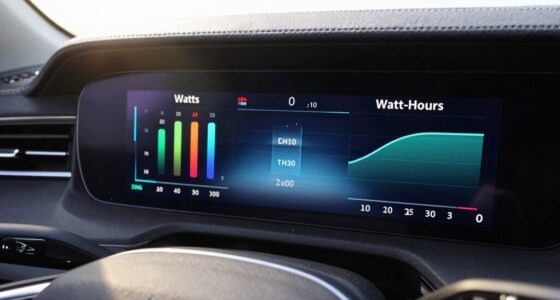
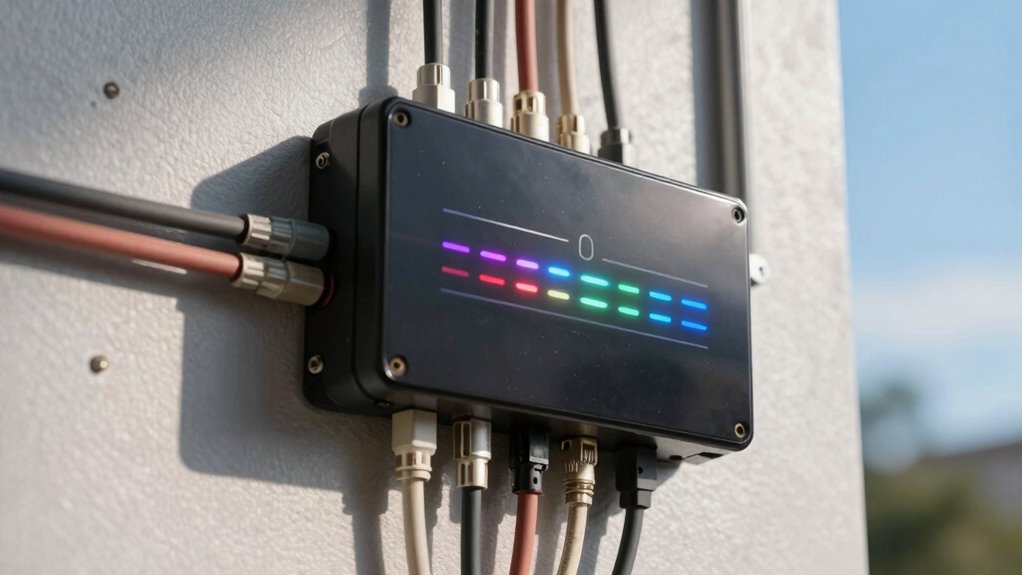
- Indicators or displays on controllers show battery status and system health, aiding easy monitoring and troubleshooting.
- Proper maintenance and understanding controller functions help ensure reliable energy output and extend system lifespan.

Ever wondered what all those technical terms on your solar controller mean? If you’re new to solar energy, it can feel like learning a whole new language. But don’t worry—understanding some basic concepts can make managing your solar setup much easier. One of the most important aspects is battery management. Your solar controller plays a key role here by guaranteeing your batteries stay healthy and last longer. It monitors the voltage and current coming from your solar panels, preventing overcharging or deep discharging, which can damage the batteries. When the controller detects that your batteries are full, it reduces the power coming from the panels, helping to avoid overloading them. This process is part of what’s called power regulation. Power regulation is fundamentally the controller’s way of balancing the energy flow. It makes sure that your batteries get just the right amount of charge without being overwhelmed, and it also prevents power from flowing back into the panels when the sun isn’t shining. This is vital because it protects your system from energy loss and damage. Many controllers use pulse width modulation (PWM) or maximum power point tracking (MPPT) technology to maximize this power regulation process. PWM controllers work by rapidly turning the power on and off to control the voltage and current, while MPPT controllers are more advanced—they continuously track the optimal voltage and current to extract the maximum energy from your solar panels. Understanding these terms helps you appreciate how your system maintains efficiency and longevity. When your solar controller manages battery health and regulates power effectively, it guarantees your solar investment pays off with reliable, consistent energy. It also means you won’t have to replace batteries as often or worry about system failures due to poor management. Additionally, many controllers will have indicators or displays showing the battery status and system performance, helping you keep an eye on everything without needing specialized tools. Knowing what these terms mean can also guide you when choosing a new controller or troubleshooting issues. If your system isn’t working as expected, understanding how it manages battery health and power regulation helps you identify whether the problem is with the controller or elsewhere in your setup. Proper system maintenance can further extend the lifespan of your solar setup and improve overall performance. In short, grasping the basics of battery management and power regulation demystifies your solar controller, making it easier to operate and maintain your solar energy system confidently. Understanding power regulation is essential for optimizing your system’s efficiency and longevity.
As an affiliate, we earn on qualifying purchases.
Frequently Asked Questions
How Does a Solar Controller Differ From Other Solar System Components?
A solar controller differs from other solar system components by actively managing battery health and ensuring voltage regulation. It prevents overcharging by controlling the flow of energy from the solar panels to the batteries, protecting them from damage. Unlike other parts like panels or inverters, your solar controller keeps the system running smoothly, optimizing power transfer and extending battery lifespan, making it essential for reliable, efficient solar energy use.
Can Solar Controllers Be Used for Off-Grid Applications?
Absolutely, you can use solar controllers for off-grid applications. Think of them as the conductor guiding your system’s energy flow, ensuring voltage regulation and battery compatibility. They keep your batteries charged and protected, even when you’re miles from power lines. With the right controller, your off-grid setup runs smoothly, providing reliable energy. It’s like having a personal energy manager making sure everything stays in harmony, no matter where you are.
What Is the Typical Lifespan of a Solar Controller?
A typical solar controller lasts about 10 to 15 years, depending on usage and quality. It continuously provides battery protection and maintains proper voltage regulation, which extends its lifespan. You should regularly check for signs of wear or damage and keep it clean to guarantee it works efficiently. Proper maintenance and choosing a high-quality controller can help you maximize its durability and keep your solar system running smoothly for years.
Are There Maintenance Requirements for Solar Controllers?
They say “a stitch in time saves nine,” and that’s true for solar controllers too. You should regularly check battery management and temperature regulation features to keep your system running smoothly. Clean dust from vents, confirm wiring is secure, and update firmware if needed. Proper maintenance prevents issues, extends lifespan, and keeps your solar setup effective. Regular checks are key to avoiding costly repairs and guaranteeing peak performance.
How Do I Choose the Right Solar Controller for My System?
To choose the right solar controller, start by considering your system’s battery compatibility—guarantee the controller matches your battery type and voltage. Look into installation considerations, like available space and wiring needs. Also, evaluate your energy needs to pick a controller with appropriate current capacity and features. This way, you ensure efficient charging, safety, and longevity for your solar setup.
Conclusion
Understanding solar controller terms might seem tricky at first, but now you’re equipped to grasp the basics and make smarter decisions. Did you know that the global solar power market is expected to grow at a compound annual growth rate of over 20% through 2030? That’s a clear sign solar technology is booming. So, keep learning, stay curious, and embrace the sunny future ahead—you’re now better prepared to harness its full potential!
Fall Picks
fall essentials
As an affiliate, we earn on qualifying purchases.