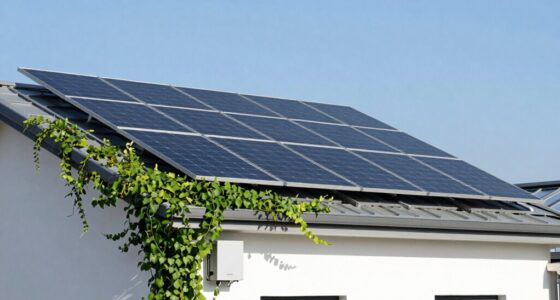
Your rigid roof solar system’s layout is just as essential as panel wattage because it directly affects efficiency, energy output, and durability. Proper placement maximizes sunlight exposure while avoiding shading from roof features or objects. An optimized layout also makes maintenance easier and reduces damage risks. Ignoring layout considerations can lead to lower performance and shorter system life. To discover how careful planning can boost your solar investment, keep exploring the key factors that matter most.
Key Takeaways
- Proper layout maximizes sunlight exposure, enhancing overall system efficiency regardless of wattage.
- Strategic placement reduces shading, preventing energy loss and ensuring consistent power output.
- An optimized layout eases maintenance access and minimizes damage risks over the system’s lifespan.
- Balancing aesthetics with functional positioning extends panel durability and system longevity.
- Thoughtful arrangement safeguards panels from weather and structural obstacles, boosting long-term performance.
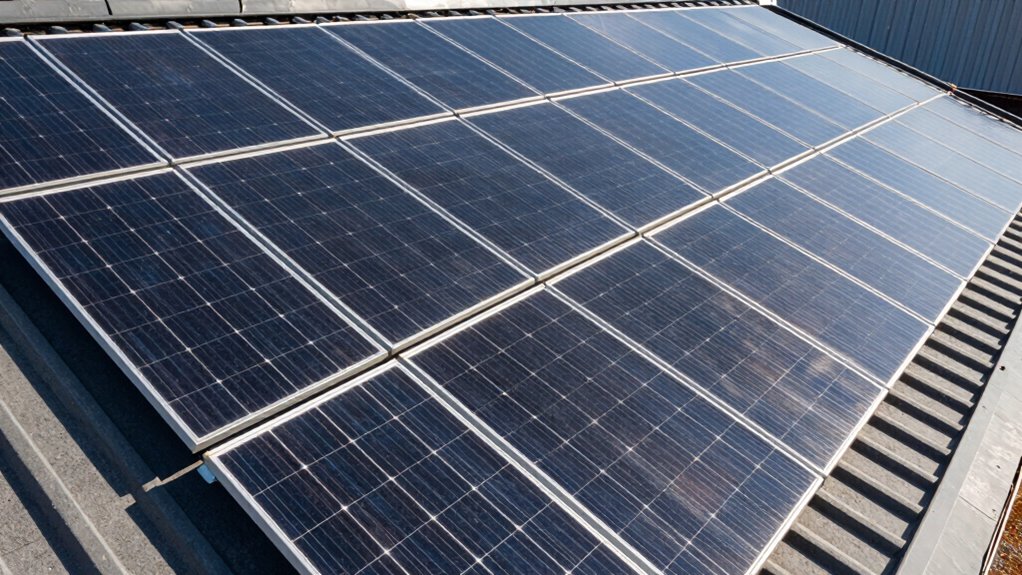
Are you considering solar energy for your home? If so, you’ve likely looked into different types of solar panels and their specifications. When it comes to rigid roof solar systems, layout becomes just as vital as wattage. It’s tempting to focus solely on the number of watts a system can produce, but the arrangement of your panels can greatly influence your overall efficiency and performance. Proper layout ensures that each panel receives the best sunlight exposure, maximizing energy output and giving you the best return on your investment.
One key aspect to think about is solar panel durability. Rigid panels are known for their robustness and long lifespan, but their longevity depends heavily on how they’re installed and arranged. A well-designed layout minimizes shading from nearby structures or objects, which can drastically reduce energy production. Even partial shading on one panel can affect the entire system’s performance, so careful planning is essential. Additionally, weather conditions and the mounting angle should be factored into your layout to prevent unnecessary wear and tear, making sure your system remains durable over time. Proper installation practices are crucial for maintaining optimal system performance and extending lifespan.
Proper layout minimizes shading and weather-related wear, ensuring your rigid solar panels last longer and perform at their best.
Installation challenges are another important factor that influence layout decisions. Rigid roof solar systems require precise placement to avoid issues such as roof obstructions or structural limitations. If your roof has vents, chimneys, or skylights, you’ll need to design a layout that avoids these obstacles without sacrificing too much efficiency. Sometimes, the angle and orientation of your roof can restrict ideal panel placement, which means you might need to get creative with mounting solutions or consider different panel configurations. Overlooking these installation challenges can lead to increased labor costs, potential damage to your roof, or reduced system performance. Awareness of solar system design principles can help you navigate these challenges more effectively. Considering shading effects during layout planning can further optimize the energy output of your system.
Furthermore, the layout affects not only energy production but also maintenance and longevity. A thoughtfully arranged system allows for easier access to individual panels for cleaning or repairs, extending their lifespan. It also reduces the risk of damage during installation or from environmental factors like high winds or snow buildup. While wattage indicates the potential power your system can generate, neglecting layout considerations can diminish that potential, especially if shading or poor placement limits sunlight exposure. Ensuring optimal placement also involves understanding solar panel durability and how it impacts long-term system performance.
Ultimately, you want a system that delivers maximum efficiency and durability. Paying attention to how your panels are laid out on your rigid roof ensures you get the most energy from your investment while avoiding common installation challenges. Remember, a well-planned layout isn’t just about aesthetics; it’s about maximizing performance, safeguarding your system’s longevity, and making the most of your solar energy investment.

Solar Panel Mounting Brackets Kit 7PCS – Strong Roof Mounts for RVs, Vans, Caravans, Boats & Sheds – Screw Fix or Adhesive Installation, Flat Roof Only, Durable & Weather Resistant
- Designed for flat roofs: Suitable for RVs, caravans, sheds
- Dual mounting options: Screw or adhesive installation
- Complete mounting kit: Includes brackets, cable gland, screws, pads
As an affiliate, we earn on qualifying purchases.
As an affiliate, we earn on qualifying purchases.
Frequently Asked Questions
How Does Roof Orientation Affect Solar Panel Efficiency?
Your roof orientation directly impacts solar panel efficiency by influencing the amount of sunlight your panels receive. Facing south typically offers the best tilt for maximum sun exposure, while east or west orientations can reduce efficiency. Proper roof tilt helps optimize sunlight absorption, and strategic placement can minimize shading, which is essential for shading mitigation. Adjusting layout based on orientation ensures you get the most energy from your solar system.
What Are the Best Practices for Maintaining Rigid Roof Solar Panels?
Think of your solar panels as a garden that needs regular tending. You should regularly check and clean the panel mounting to prevent debris buildup and guarantee peak performance. Establish maintenance schedules to inspect for loose connections or damage, especially after storms. Keep the panels clear of dirt and snow, and promptly address any issues. This routine upkeep helps your solar system stay efficient and extends its lifespan, just like caring for a well-tended garden.
Can Rigid Roof Solar Panels Withstand Extreme Weather Conditions?
Yes, rigid roof solar panels can withstand extreme weather conditions if you choose panels made from durable materials like tempered glass and corrosion-resistant frames. Proper installation techniques are essential; secure mounting and sealing guarantee they stay intact during storms, heavy snow, or high winds. Regular inspections help identify potential issues early, maintaining their resilience. When you prioritize high-quality materials and expert installation, your solar system remains dependable in harsh weather.
How Do Shading Issues Impact Rigid Roof Solar System Performance?
Shading issues can severely reduce your solar system’s efficiency, leaving you frustrated with lower energy savings. You’ll want to prioritize shading analysis during installation, ensuring panels are placed where shadows won’t block sunlight. Proper panel placement minimizes shading impacts, maximizing energy production. Don’t overlook this step — a well-planned layout guarantees your panels perform at their best, even during unpredictable weather, giving you peace of mind and more reliable savings on your energy bills.
What Are the Cost Differences Between Various Rigid Roof Solar Layouts?
You’ll find that cost differences between rigid roof solar layouts vary based on design complexity and materials used. A well-optimized layout can reduce installation costs by minimizing shading issues and wiring length, leading to better efficiency. Basic layouts tend to be cheaper upfront, but investing in layout optimization can save you money long-term through increased energy production. Comparing different designs helps you balance initial costs with long-term gains effectively.
Conclusion
Remember, your solar setup isn’t just about the wattage; it’s about the perfect layout that makes your roof sing. Think of your panels as a carefully choreographed dance—each one needs its place to perform at its best. A well-planned layout guarantees maximum efficiency and energy savings. So, don’t just focus on the size of your system; craft a layout that harmonizes with your roof, turning sunlight into a symphony of savings.