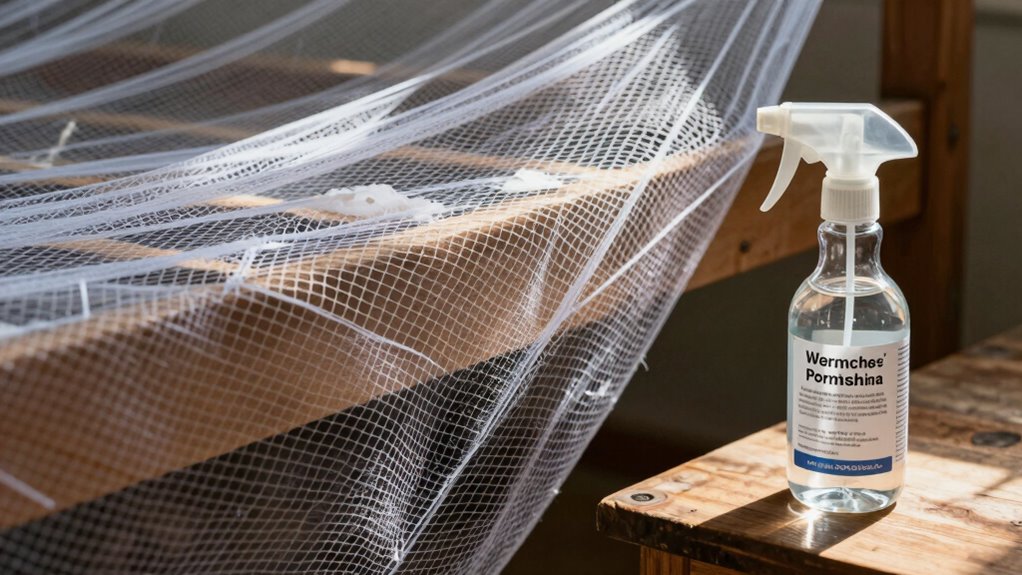

To protect yourself from mosquitoes, start by using bug nets over outdoor seating areas to physically block insects and prevent bites. Combine this with permethrin-treated clothing, which repels and kills mosquitoes on contact, especially during peak hours. Keep your yard free of standing water and trim vegetation to reduce breeding sites and resting areas. Using these methods together strengthens your defense, and greater tips await if you continue exploring how to shield yourself effectively.

Get travel and outdoor gear delivered free — and shop member deals
- Fast, free delivery on millions of items
- Access to Prime Big Deal Days deals on October 6–7
- Prime Video, Amazon Music and more included
Key Takeaways
- Install fine-mesh bug nets over outdoor seating areas to physically block mosquitoes.
- Use permethrin-treated clothing and gear for continuous protection during outdoor activities.
- Combine physical barriers with habitat elimination to reduce mosquito breeding and resting sites.
- Ensure bug nets are properly fitted, maintained, and used especially during peak mosquito hours.
- Follow product instructions for safe application of permethrin to maximize effectiveness and safety.
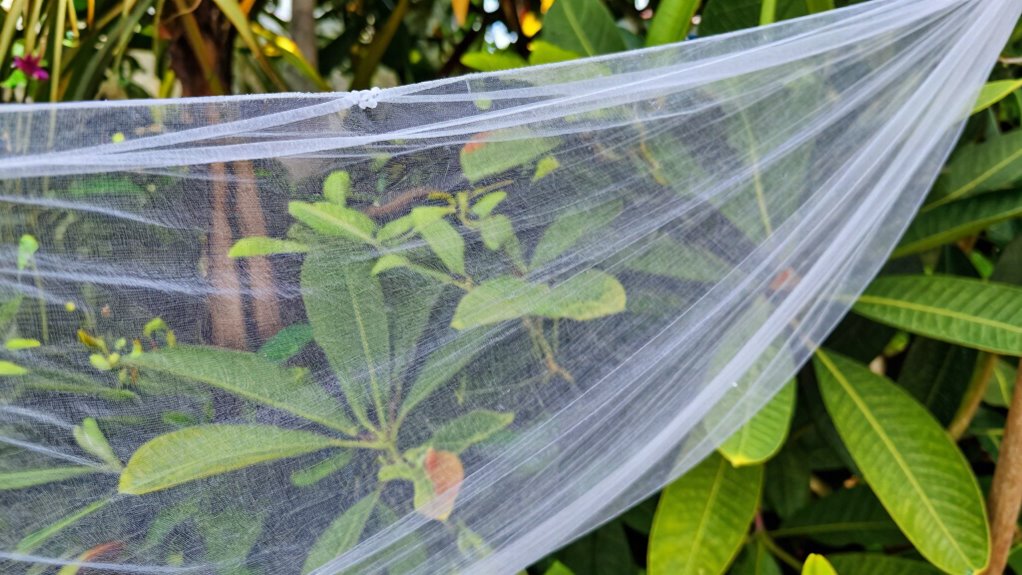
Are mosquitoes ruining your outdoor plans? If you want to enjoy your yard without constant swatting or worrying about bites, it’s vital to understand how to control these pests effectively. One of the most essential steps you can take is focusing on breeding site elimination. Mosquitoes need stagnant water to lay their eggs, so removing or treating standing water around your property can drastically reduce their population. Check flowerpots, birdbaths, gutters, buckets, and any containers that collect water, and empty or cover them regularly. Even small amounts of stagnant water serve as breeding grounds, so staying vigilant is key. Besides eliminating breeding sites, mosquito habitat control involves modifying your yard to make it less attractive to these insects. Trim tall grass, clear brush, and remove debris where mosquitoes might rest during the day. Creating a less hospitable environment can considerably cut down the number of mosquitoes that hang around your outdoor space.
While habitat control is vital, using physical barriers like bug nets can provide immediate relief. Installing bug nets over patios or outdoor seating areas forms a physical shield that prevents mosquitoes from reaching you. Look for fine-mesh screens that keep out even the smallest insects, and ensure they are properly fitted and free of tears. When you’re outdoors, especially during peak mosquito hours at dawn and dusk, these nets become your first line of defense, allowing you to relax without constantly swatting away pests. Combining bug nets with habitat control and breeding site elimination creates a thorough approach to mosquito management.
Permethrin-treated clothing and gear can also strengthen your defenses. Permethrin, an effective insect repellent that can be applied to clothing, repels mosquitoes on contact and even kills them if they land on treated fabric. It’s a practical way to stay protected during outdoor activities, especially when combined with physical barriers like bug nets. Be sure to follow the product instructions carefully for safe and effective use. Applying permethrin to clothing and gear is a proactive step that complements habitat control efforts, helping you minimize encounters with mosquitoes and reduce the risk of bites and mosquito-borne illnesses.
Frequently Asked Questions
Are Bug Nets Effective Against All Mosquito Species?
Bug nets are generally effective against many mosquito species, but their effectiveness can vary depending on the mosquito species and net quality. Some species are smaller or more persistent, potentially finding gaps or biting through weaker nets. To maximize net effectiveness, make certain your net is properly sealed, free of tears, and treated with permethrin. Regularly inspect and maintain your net to protect yourself from diverse mosquito species effectively.
How Long Does Permethrin-Treated Netting Remain Effective?
Permethrin-treated netting typically remains effective for about 6 to 12 months, depending on usage and washing frequency. Did you know that proper net maintenance can extend treatment durability by up to 50%? To maximize net longevity, avoid harsh detergents and sun exposure. Regularly inspect your net for wear and re-treat when effectiveness diminishes, ensuring continuous mosquito protection and a safer outdoor experience.
Can Permethrin Harm Children or Pets?
Permethrin can be safe around children and pets if used properly, but you should always follow health precautions and chemical safety instructions. Keep treated gear out of reach, avoid direct skin contact, and wash hands after handling. When used correctly, permethrin-treated nets are effective and pose minimal risk. Always read label directions carefully and consult a healthcare professional if you have concerns about exposure, especially for young children or pets.
Are There Environmentally Friendly Alternatives to Permethrin?
Think of finding eco-friendly mosquito defenses as planting a garden of natural repellents. You can choose organic treatments like citronella, lemon eucalyptus oil, or neem oil, which act as gentle shields. These natural repellents are safer for kids and pets, reducing environmental impact. By opting for organic options, you embrace a greener approach that keeps mosquitoes at bay without harming the ecosystem or your loved ones.
How Should I Store Unused Bug Nets and Permethrin Treatments?
You should store unused bug nets and permethrin treatments in a cool, dry place away from direct sunlight to guarantee storage safety. Keep them in tightly sealed containers or original packaging to prevent leaks and contamination. Proper storage helps maintain treatment longevity and reduces the risk of accidental exposure. Make sure to keep them out of reach of children and pets, and check labels for any specific storage instructions.
Conclusion
By choosing to use bug nets and permethrin, you’re gently steering clear of pesky mosquito bites. Think of these defenses as your quiet, reliable allies that keep trouble at bay without much fuss. With a little effort, you create a peaceful sanctuary where mosquitoes find it less inviting. In the end, these simple steps help you enjoy the outdoors more comfortably, turning potential nuisances into distant whispers rather than unwelcome interruptions.
Fall Picks
fall essentials
As an affiliate, we earn on qualifying purchases.