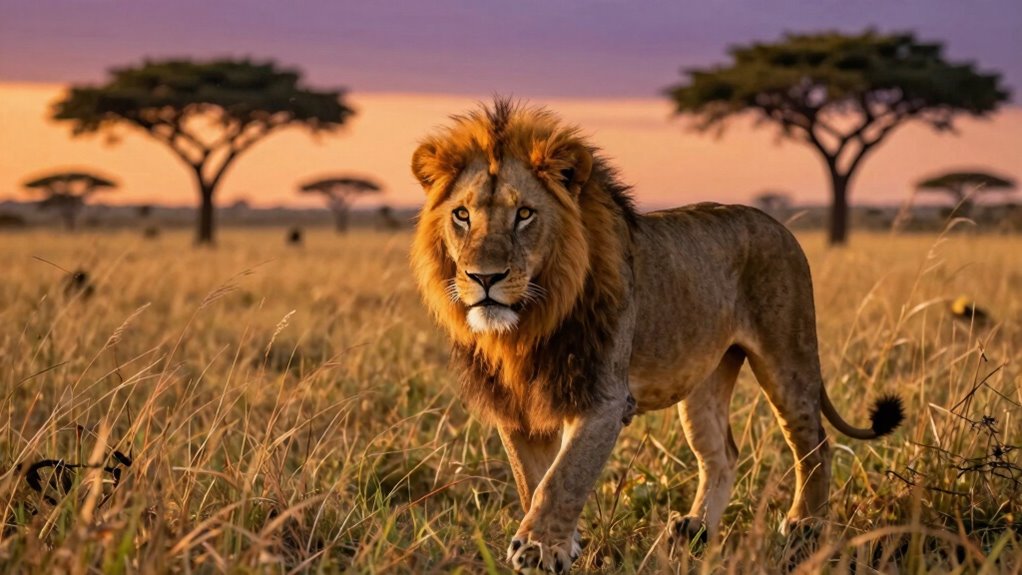

Most travelers learn too late that keeping a safe distance from wildlife is the most essential rule. Approaching animals too closely can provoke aggressive behavior or stress, risking safety and harming the animals. Using binoculars or zoom lenses helps you get a better view without disturbing them. Respecting their space preserves their natural behaviors and supports conservation. If you want to understand why this rule is critical and how to follow it, there’s more to discover below.

Get travel and outdoor gear delivered free with Prime
- Fast, free delivery on millions of items
- Prime Video, Amazon Music and more included
- Member-only deals all year
Key Takeaways
- Approaching wildlife too closely can provoke aggressive behavior and dangerous encounters.
- Feeding animals disrupts natural behaviors and increases dependency on humans.
- Using binoculars or zoom lenses is safer than physically getting close to observe wildlife.
- Ignoring safe distances threatens animal well-being and can cause long-term population declines.
- Respecting animal boundaries is crucial for both personal safety and ecosystem conservation.
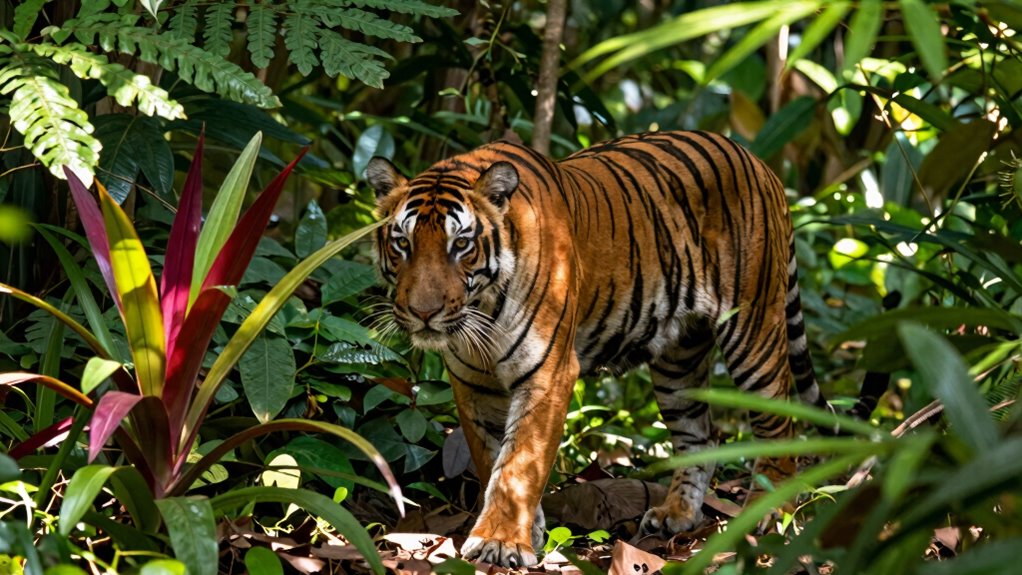
Have you ever wondered why so many travelers find themselves unprepared for wildlife encounters? It’s a common mistake that can turn a beautiful adventure into a dangerous situation. The most important rule many learn too late is to maintain a safe distance from animals and respect their space. This isn’t just about personal safety; it’s about practicing wildlife safety and fostering conservation awareness. When you approach animals too closely, you risk provoking them or causing stress, which can lead to unpredictable and potentially aggressive behavior. Remember, animals in the wild are not attractions for your close-up photos—they’re living beings with instincts that can trigger if they feel threatened.
Many travelers underestimate how quickly an encounter can escalate. A seemingly calm animal might suddenly react defensively if it perceives a threat. That’s why staying a respectful distance isn’t just a tip—it’s a crucial rule for your safety and theirs. Wildlife safety isn’t about avoiding animals altogether but about understanding their boundaries. It’s tempting to get a better shot or experience a close-up view, but pushing too far can have serious consequences. Keep your distance, use binoculars or zoom lenses, and resist the urge to feed or touch animals. Feeding wildlife may seem harmless but can lead to dependence on humans, alter natural behaviors, and increase the chance of dangerous interactions. Wildlife dependence is a significant issue that affects ecosystems worldwide. Additionally, understanding animal behavior can help you better anticipate how animals might react in different situations.
Respect animal boundaries to stay safe and protect their natural behaviors. Keep your distance and observe responsibly.
Conservation awareness plays a vital role in your safety. When you respect animals and their habitats, you contribute to their preservation. Learning about the species you encounter and understanding their behaviors helps you make smarter choices. Many travelers don’t realize that their actions can inadvertently harm ecosystems. Approaching animals too closely or disturbing their environment can cause stress, disrupt feeding or breeding, and even lead to long-term population declines. Recognizing how ecosystems function emphasizes the importance of maintaining natural habitats and the delicate balance within them. By practicing responsible wildlife safety, you support conservation efforts that protect these species for future generations.
The lesson is simple: keep your distance, observe quietly, and always prioritize safety over a photo or a close-up experience. It’s easy to get caught up in the excitement, but patience and respect are your best tools. Remember, wildlife safety isn’t about avoiding animals—it’s about coexisting with them responsibly. By doing so, you not only protect yourself but also help promote conservation awareness, ensuring these incredible creatures remain part of our world. The most valuable rule you can learn is to respect the animals’ space—because in the wild, safety and preservation go hand in hand. Recognizing the importance of biodiversity is fundamental to understanding why maintaining safe distances is so crucial for the health of ecosystems.
As an affiliate, we earn on qualifying purchases.
Frequently Asked Questions
What Is the Wildlife Rule Most Travelers Overlook?
You often overlook the importance of observing wildlife behavior without disturbing animals. Staying at a safe distance respects their natural habits and supports conservation efforts. By not getting too close or making loud noises, you help protect wildlife and guarantee their habitats remain undisturbed. Remember, your mindful actions contribute to the preservation of these species for future generations, making your travel more responsible and impactful.
How Can Travelers Avoid Wildlife Encounters?
To avoid wildlife encounters, you should stay alert and respect wildlife behavior signs. Keep a safe distance, avoid sudden movements, and never feed animals. Follow travel safety tips like staying on designated paths and keeping your campsite tidy. By understanding animal habits and respecting their space, you reduce the risk of surprise encounters, ensuring a safer and more enjoyable experience in nature.
Are There Legal Penalties for Breaking Wildlife Rules?
Sure, breaking wildlife rules might seem harmless, but beware—wildlife violations can land you in hot water with hefty legal consequences. If you ignore signs or feed the animals, you risk fines, citations, or even criminal charges. Think of it as nature’s way of saying, “You’re not above the law.” So, if you value your freedom and peace of mind, follow the rules—nature’s legal system is just as strict as ours.
What Safety Gear Is Recommended for Wildlife Interactions?
When interacting with wildlife, you should wear protective clothing like long sleeves, pants, and sturdy gloves to prevent bites, scratches, and insect stings. Stay aware of wildlife behavior, keeping a safe distance and avoiding sudden movements. Carry essential safety gear such as a first aid kit and a whistle for emergencies. These precautions help safeguard you and guarantee a respectful, safe encounter with nature.
How Do Local Laws Differ Regarding Wildlife Protection?
You’ll find that local laws regarding wildlife protection vary widely, especially concerning endangered species. In some areas, strict conservation laws prohibit disturbing or collecting wildlife, while others may have more relaxed rules. It’s your responsibility to research and respect these laws before your trip. By doing so, you help guarantee the preservation of endangered species and support conservation efforts, preventing legal issues and fostering responsible travel.
Conclusion
By now, you realize how essential respecting wildlife rules truly is. Did you know that nearly 70% of travelers unknowingly disturb natural habitats, risking both animals and your safety? It’s a stark reminder that a simple mistake can have lasting impacts. So, next time you visit a wild place, remember: a little awareness goes a long way. Stay informed, stay respectful, and help preserve the beauty you came to see.
Fall Picks
fall essentials
As an affiliate, we earn on qualifying purchases.