Guided nature experiences let you connect more deeply with the environment, giving you firsthand insights into local wildlife and ecosystems. Guides share knowledge about conservation, threats, and sustainable practices, making your visit more meaningful. They help you see how protecting ecosystems benefits both nature and communities, encouraging responsible tourism. This awareness inspires you to support conservation efforts and make eco-friendly choices. If you’re enthusiastic to understand how these experiences can transform your perspective, keep exploring these valuable insights.

Get travel and outdoor gear delivered free with Prime
- Fast, free delivery on millions of items
- Prime Video, Amazon Music and more included
- Member-only deals all year
Key Takeaways
- They provide in-depth knowledge about ecosystems, wildlife, and conservation, fostering personal connections and awareness.
- Guides highlight threats like habitat loss, encouraging advocacy and responsible environmental stewardship.
- These experiences promote sustainable eco-tourism practices that benefit local communities and preserve natural sites.
- Guided tours demonstrate ecosystem interconnectedness, inspiring responsible resource use and biodiversity appreciation.
- They transform passive sightseeing into active participation in conservation, supporting long-term environmental sustainability.
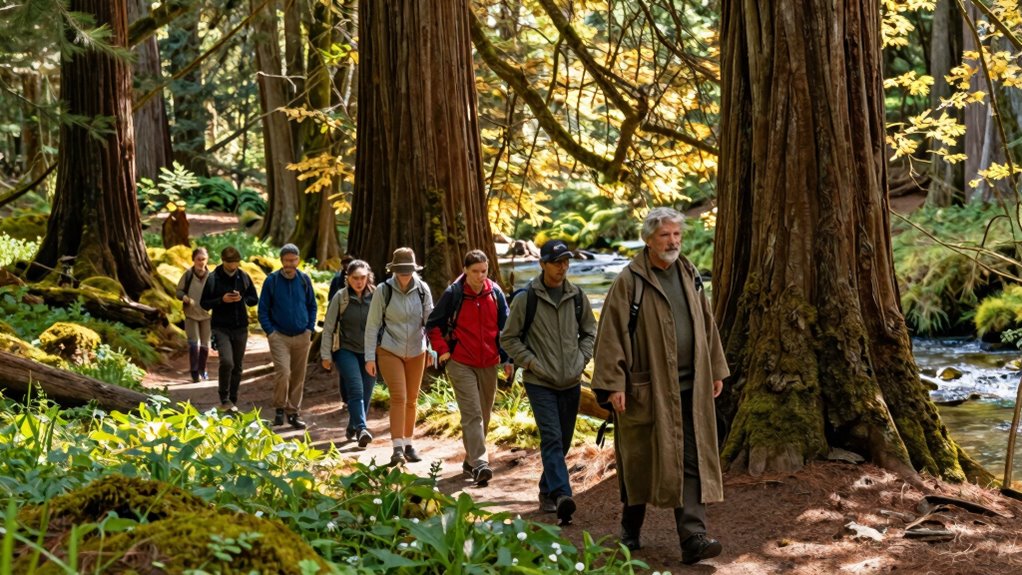
Have you ever wondered how a guided nature experience can transform your understanding of the outdoors? When you join a guided tour, you gain more than just a scenic walk—you tap into a deeper knowledge of wildlife conservation and eco-tourism development. These experiences are designed to connect you directly with nature, allowing you to see the importance of protecting fragile ecosystems firsthand. As your guide shares insights about local flora and fauna, you develop an awareness of the delicate balance that sustains wildlife populations. This understanding isn’t just academic; it becomes personal, motivating you to support conservation efforts and responsible tourism.
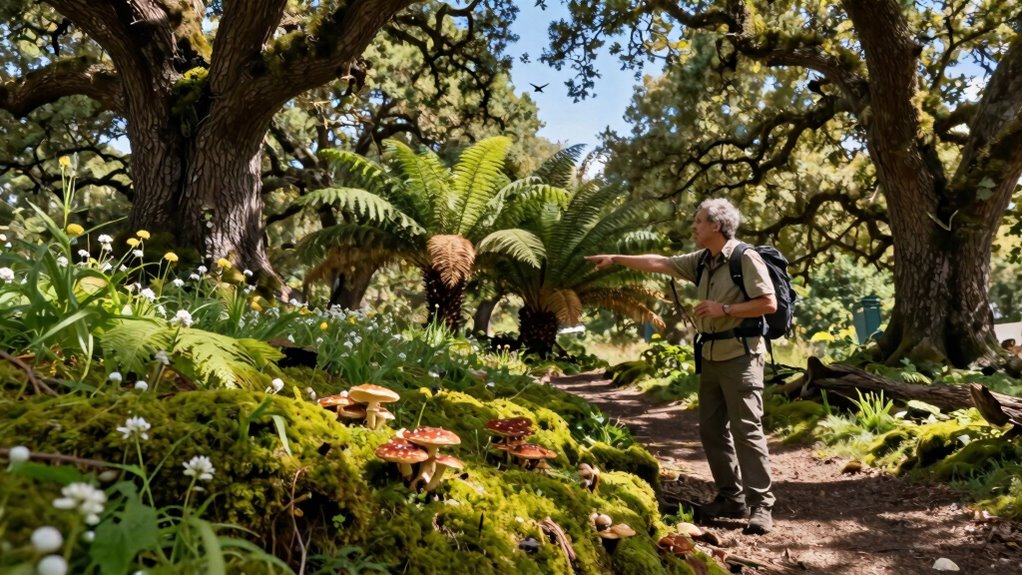
Guided nature experiences serve as powerful tools for promoting wildlife conservation. Your guide, often a trained expert, highlights behaviors and habitats that you might overlook on your own. They can explain how certain species are threatened by habitat loss or illegal poaching, making the issues more relatable and urgent. This knowledge encourages you to become an advocate for preservation, whether by supporting conservation organizations or adopting sustainable practices during your travels. When you see firsthand how ecosystems thrive—or struggle—you realize your role in protecting these environments for future generations.
Furthermore, these guided experiences play a essential role in eco-tourism development. Instead of mass tourism that often damages natural sites, guided tours emphasize sustainable practices and local community involvement. You’re encouraged to respect wildlife and avoid disrupting natural behaviors, which helps maintain the integrity of the environment. This approach fosters a sense of stewardship and ensures that tourism benefits local communities economically and culturally. Your participation becomes part of a larger movement that prioritizes conservation over exploitation. Incorporating community involvement into these tours can create lasting positive impacts for local residents and ecosystems alike. Additionally, understanding the importance of sustainable practices can help travelers make more environmentally conscious choices.
Additionally, guided tours often include education about the interconnectedness of ecosystems, illustrating how protecting wildlife supports broader environmental health. You learn that eco-tourism isn’t just about observing animals; it’s about supporting a sustainable model that balances human curiosity with ecological preservation. Recognizing the importance of biodiversity can deepen your appreciation for the complexity of ecosystems and the necessity of safeguarding them. By choosing guided experiences, you contribute to eco-tourism development that values natural resources and promotes their responsible use. This comprehensive understanding can inspire ongoing efforts to preserve the natural world beyond just the tour itself.
In the end, a guided nature experience offers a richer, more meaningful connection to the outdoors. It deepens your understanding of wildlife conservation, empowering you to make conscious choices that benefit the environment. It also supports eco-tourism development, creating a sustainable future where nature and local communities thrive together. These journeys aren’t just about sightseeing—they’re about becoming a part of a global effort to protect and celebrate the natural world.
As an affiliate, we earn on qualifying purchases.
Frequently Asked Questions
How Do Guided Experiences Differ From Self-Guided Nature Visits?
Guided nature experiences differ from self-guided visits because you gain expert insights that enhance your understanding of wildlife conservation and environmental education. With a guide, you’re more likely to notice subtle ecological details and learn about local species, while also supporting conservation efforts. Self-guided visits rely on your own knowledge, which can limit your awareness and impact, but guided tours actively foster a deeper connection to nature’s importance.
What Qualifications Should a Guide Have for Nature Excursions?
You want a guide with strong qualifications—ideally, someone trained in wildlife conservation and environmental education. Their expertise helps you understand ecosystems deeply while ensuring safety. Unlike casual hikers, these guides combine practical skills with a passion for nature, making your experience meaningful. Their knowledge fosters awareness about protecting environments, turning a simple walk into a valuable learning journey. Trust a guide with certified training and real-world experience for the best adventure.
Are Guided Nature Experiences Suitable for Children and Seniors?
Guided nature experiences are perfect for children and seniors, as they promote nature therapy and foster a deeper connection with the environment. You’ll find these excursions are tailored to different age groups, ensuring safety and engagement. By participating, you support wildlife conservation efforts and enjoy the mental and physical benefits of being outdoors. These guided experiences create memorable learning moments while encouraging respect and care for nature.
How Do Guided Experiences Impact Local Wildlife and Ecosystems?
Guided nature experiences can positively impact local wildlife and ecosystems when properly managed. They minimize wildlife disturbance by encouraging respectful observation and behavior, helping animals stay undisturbed. These experiences promote ecosystem preservation by educating participants about responsible interactions and conservation efforts. When guides follow eco-friendly practices, they guarantee that humans leave minimal footprint, supporting the health of local habitats and maintaining biodiversity for future generations.
What Are the Costs Associated With Guided Nature Tours?
Guided nature tours can cost anywhere from $50 to $200 daily. You might find yourself paying for expert guides, transportation, and sometimes entrance fees. It’s vital to prioritize cost transparency and cultural sensitivity; for example, respecting local customs can prevent misunderstandings or extra charges. Think of it as planting a seed—investing wisely ensures your experience grows rich, respectful, and memorable without unexpected expenses.
Conclusion
When you set out on guided nature experiences, you discover more than just scenic views—you uncover a deeper connection to the world around you. These moments become treasures that stay with you long after the journey ends. Remember, sometimes it’s the little things that truly count, and nature’s gentle lessons remind us of what’s truly important. So go ahead, embrace the wild, and let it teach you that the best things in life are often right outside your door.
Halloween Picks
halloween
As an affiliate, we earn on qualifying purchases.