
To experience forests responsibly, engage with them as living ecosystems rather than just scenic backdrops. Respect wildlife and stick to designated trails to prevent habitat damage. Join guided tours, participate in habitat restoration, and support eco-friendly businesses nearby. Learning about the forest’s complex systems deepens your connection and encourages stewardship. If you keep exploring, you’ll discover more ways to enjoy and protect these essential ecosystems for future generations.

Get travel and outdoor gear delivered free with Prime
- Fast, free delivery on millions of items
- Prime Video, Amazon Music and more included
- Member-only deals all year
Key Takeaways
- Engage in eco-friendly activities like guided nature walks and habitat restoration projects.
- Educate yourself about forest ecosystems to foster appreciation and responsible behavior.
- Support sustainable tourism practices that prioritize conservation and minimize environmental impact.
- Follow local regulations, stay on designated trails, and avoid littering to protect habitats.
- Contribute to conservation efforts through responsible choices and supporting eco-conscious businesses.
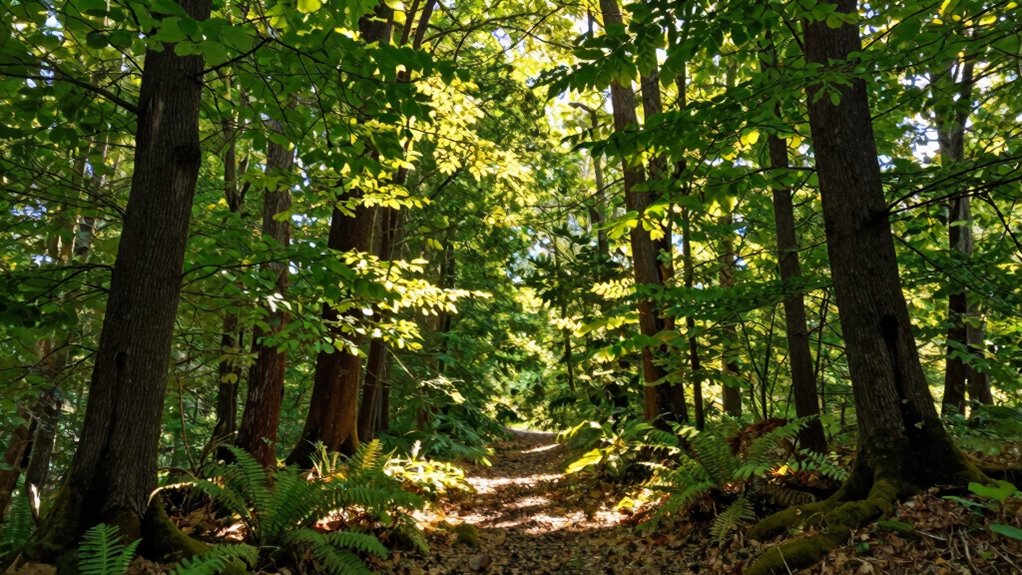
Forests are often viewed as picturesque backdrops for recreation, but this perspective can diminish their significance and lead to environmental harm. When you see forests merely as scenic settings, it’s easy to forget the essential role they play in supporting wildlife and maintaining ecological balance. Instead of treating forests as mere scenery, you can engage with them more thoughtfully by supporting wildlife conservation efforts. This involves actively learning about the ecological importance of forests to better appreciate their value beyond just their visual appeal.
Respect wildlife and support conservation to preserve forests’ rich biodiversity for future generations.
Sustainable tourism is another crucial approach to enjoying forests responsibly. Rather than seeking quick, superficial visits, you can choose activities that minimize ecological footprints and foster a genuine connection with nature. Opt for guided tours led by local experts who emphasize environmental education and conservation practices. These tours often include activities like birdwatching, nature walks, or volunteering in habitat restoration projects. By participating in sustainable tourism, you not only enjoy the forest more deeply but also contribute to its preservation. It’s about leaving a positive impact, rather than a trail of damage. Engaging with environmental education helps deepen your understanding and appreciation for the complex ecosystems you’re visiting.
When you adopt a sustainable mindset, you become part of a broader movement that values the health of forest ecosystems over commercial exploitation. For example, avoiding littering, staying on designated trails, and respecting local regulations help prevent habitat destruction and soil erosion. Supporting eco-friendly accommodations and local businesses that prioritize conservation also amplifies your positive impact. Your choices matter because they influence how forests are managed and preserved. When tourism is aligned with conservation goals, it creates economic incentives for local communities to protect their natural resources, fostering a cycle of preservation and sustainable development. Recognizing that conservation efforts depend on individual actions underscores the importance of responsible tourism practices.
You can deepen your connection with forests by educating yourself about the ecosystems you visit. Understanding the importance of wildlife conservation and sustainable tourism transforms your experience from simply viewing a landscape into actively contributing to its well-being. It’s about recognizing that forests aren’t just pretty scenery but complex, living systems that require careful stewardship. Gaining knowledge about forest biodiversity**** can inspire more mindful and respectful exploration. By making conscious choices, you help ensure that these ecosystems continue to thrive, allowing future visitors to experience their wonder just as you do now. Embracing this perspective turns a simple visit into a meaningful act of conservation, fostering a sustainable relationship between people and nature.
guided nature tour for wildlife conservation
As an affiliate, we earn on qualifying purchases.
As an affiliate, we earn on qualifying purchases.
Frequently Asked Questions
How Can Visitors Minimize Their Environmental Impact in Forests?
To minimize your environmental impact in forests, follow wildlife conservation principles and practice leave no trace. Stay on designated trails to protect plant life and avoid disturbing animals. Carry out all trash, refrain from picking plants, and use eco-friendly gear. Respect wildlife by observing quietly from a distance. Your mindful actions help preserve the natural beauty and health of forests for future visitors and ecosystems alike.
What Are the Best Ethical Practices for Forest Tourism?
You can practice ethical forest tourism by respecting wildlife conservation efforts and local cultures. Avoid disturbing animals, stay on designated paths, and support eco-friendly operators. Engaging with local communities helps preserve cultural heritage and guarantees your visit benefits residents. While some may worry about inconvenience, these practices deepen your connection to the forest, creating meaningful experiences that protect ecosystems and traditions for future generations.
How Do Local Communities Benefit From Eco-Friendly Forest Experiences?
You benefit from eco-friendly forest experiences through community empowerment and cultural preservation. When you participate in responsible tourism, local communities gain income and support sustainable livelihoods, allowing them to invest in their traditions and environment. Your involvement helps preserve cultural practices, promotes local crafts, and encourages respectful interactions. By choosing eco-conscious options, you actively contribute to strengthening community resilience while enjoying authentic, meaningful forest encounters.
Are There Specific Seasons Ideal for Sustainable Forest Visits?
You should visit forests during seasons when seasonal wildlife and seasonal foliage are at their peak, typically spring and fall. During spring, you can witness blooming flowers and active wildlife, while fall offers vibrant foliage and migrating animals. Avoid peak summer and winter, as heavy foot traffic and harsh weather may disturb the environment. Planning your visit around these seasons guarantees a sustainable experience that respects the forest’s natural rhythms.
How Can Technology Enhance Responsible Forest Exploration?
They say, “Knowledge is power,” and technology proves it. You can use drone mapping to get detailed aerial views of forests, helping you explore responsibly without disturbing wildlife. Virtual reality immerses you in forest environments from anywhere, fostering appreciation and understanding. These tools enhance responsible exploration by providing educational insights and reducing human impact, making your experience more meaningful and sustainable.
Conclusion
By truly engaging with forests rather than just admiring them from afar, you access a richer experience that benefits both you and the environment. Did you know that spending just 20 minutes in nature can boost your mood and reduce stress? So, next time you visit, immerse yourself fully—listen, feel, and breathe in the wilderness. It’s a better way to connect, one that nurtures your well-being and preserves these essential ecosystems for generations to come.
Fall Picks
fall essentials
As an affiliate, we earn on qualifying purchases.