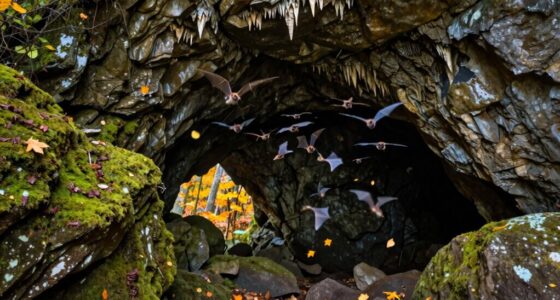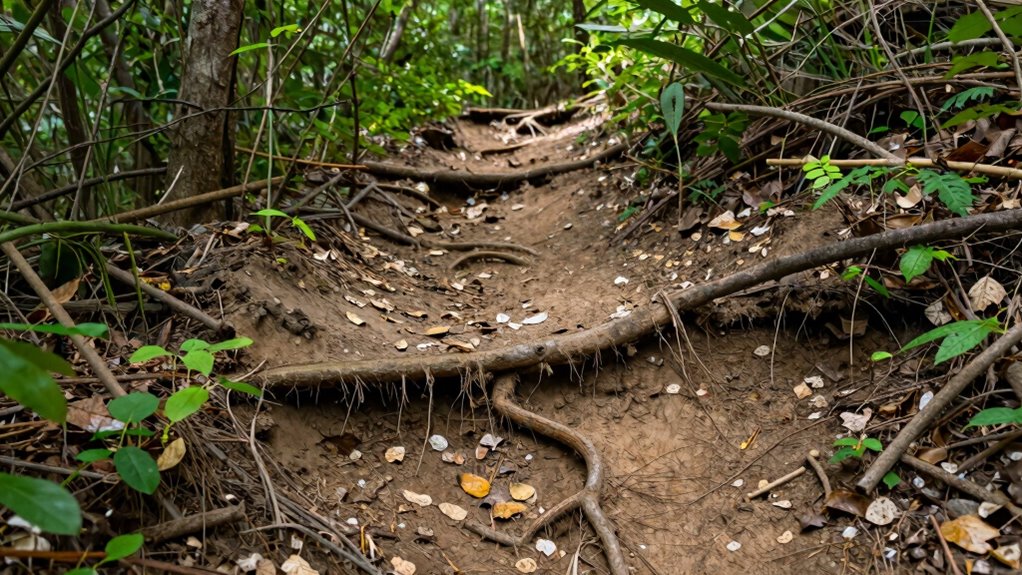

Taking off-trail shortcuts might seem quick and harmless, but they cause hidden damage that’s easy to overlook. You can harm delicate plants, compact soil, and disturb wildlife habitats, leading to erosion and long-term ecosystem decline. These shortcuts also create new social trails that widen and degrade the environment further. Staying on marked trails helps protect nature and preserves the landscape for everyone. Want to discover more about how your actions impact nature and what you can do?
Key Takeaways
- Off-trail shortcuts cause soil compaction, leading to erosion and long-term damage beyond visible trail widening.
- They disrupt native vegetation and habitats, harming wildlife nesting sites and breeding areas.
- Straying from designated paths increases invasive species spread through disturbed soil and gear contact.
- Hidden erosion and soil degradation weaken ecosystem stability and hinder native plant recovery.
- Continuous off-trail shortcuts create lasting trail erosion and habitat fragmentation, impacting biodiversity over time.
Why Off-Trail Shortcuts Harm Fragile Ecosystems
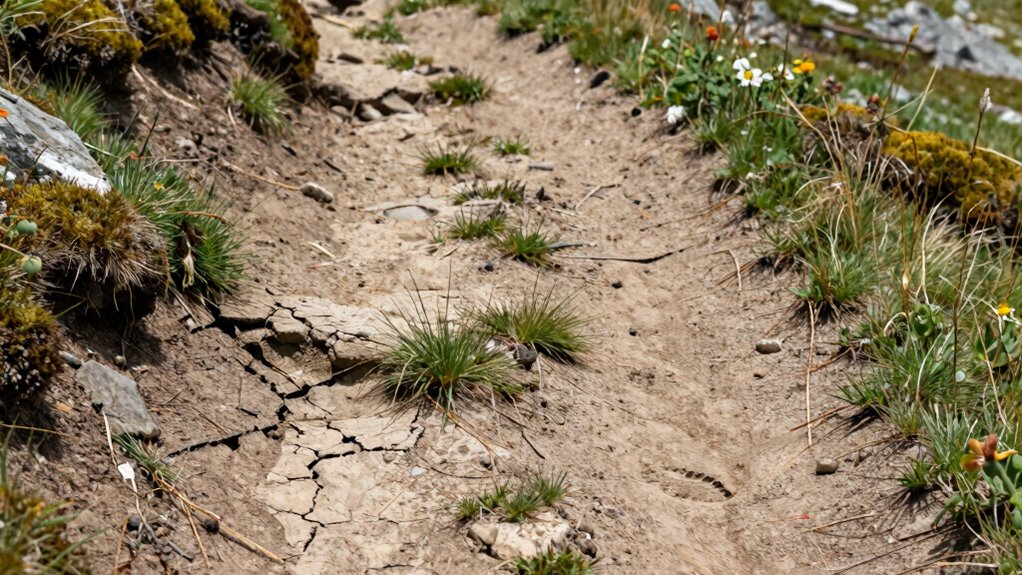
When you take shortcuts off designated trails, you often unintentionally damage delicate ecosystems. These shortcuts can create unsightly scars that diminish trail aesthetics, making natural areas less inviting for everyone. Damage to plants and soil leads to erosion, which can spread beyond your immediate path. This erosion not only harms the environment but also accelerates trail degradation, making maintenance more challenging and costly. It impacts the overall trail branding, as well-maintained trails attract more visitors and preserve the area’s natural beauty. When ecosystems are disturbed, native plants struggle to recover, and fragile habitats are compromised. Your shortcuts may seem harmless, but they contribute to a cycle of degradation that affects wildlife and the landscape. Recognizing the importance of ecosystem resilience helps us understand how small actions can have larger environmental consequences. Supporting trail conservation and staying on designated paths ensures that these environments remain vibrant and visually appealing for future visitors. Additionally, avoiding off-trail shortcuts helps maintain soil stability, which is essential for preventing long-term environmental damage.
How Soil Erosion and Plant Damage Happen When You Shortcut
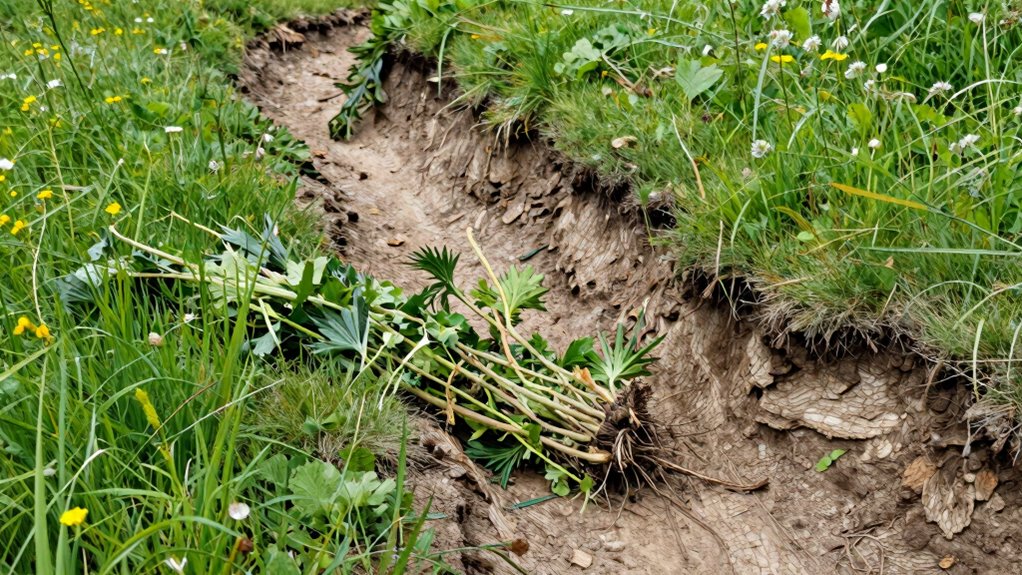
Taking shortcuts off designated trails directly harms the soil and plants beneath your feet. When you do this, you compact the soil, making it harder for water and roots to penetrate. This soil compaction weakens plant stability and increases erosion risk. Additionally, stepping off-trail can crush and damage roots, disrupting plant growth and nutrient flow. Creating simple systems for trail use can help prevent unnecessary damage and promote healthier environments. Regular maintenance and proper planning of trails also play a crucial role in minimizing environmental impact. Incorporating vetted trail design practices can further reduce the likelihood of soil erosion and plant disturbance, especially when considering environmental sustainability and safe installation practices.
How Habitat Disturbance Affects Wildlife
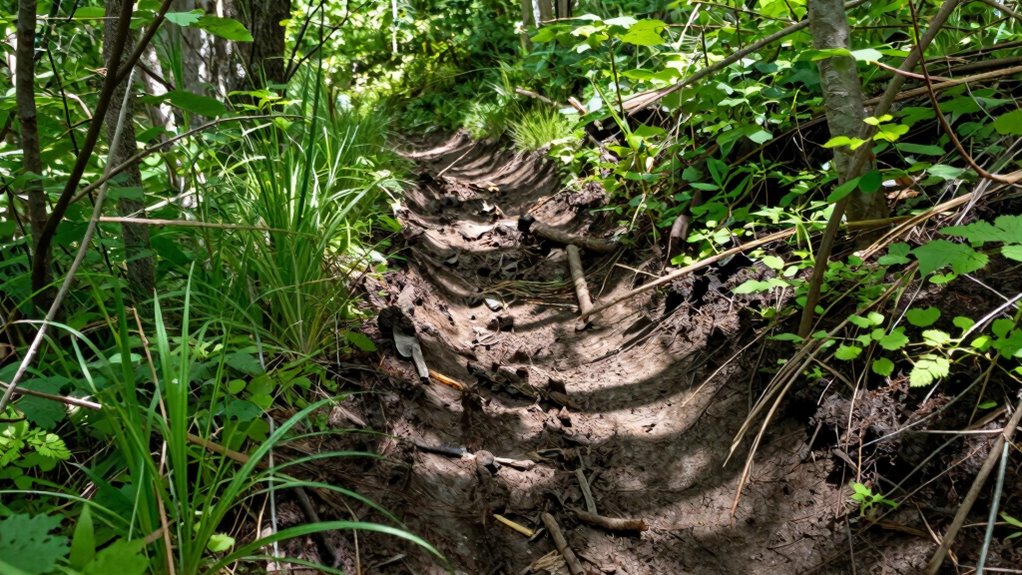
When you take shortcuts off-trail, you can disturb animals’ nesting sites and force them to abandon their nests. Your actions can also change how wildlife search for food, making it harder for them to find what they need. These disruptions can have long-lasting effects on local ecosystems. Additionally, habitat disturbance can lead to loss of biodiversity, further threatening the health and stability of the environment. It can also impair soil quality, which is vital for plant growth and overall habitat health. Recognizing the importance of ecosystem balance and implementing effective conservation efforts can help mitigate these negative impacts and preserve natural habitats. Understanding the role of proper trail management is essential for minimizing human impact on delicate ecosystems.
Disruption of Nesting Sites
Habitat disturbances caused by off-trail shortcuts can severely disrupt nesting sites, forcing wildlife to abandon their nests or abandon breeding altogether. This nesting disruption can have long-term impacts on population stability. You may unknowingly cause bird disturbance, which increases stress and reduces reproductive success. Consider these effects:
- Displacement of nesting birds, leading to abandonment and loss of eggs or chicks.
- Increased vulnerability to predators as disturbed nests become easier targets.
- Disruption of breeding cycles, resulting in fewer successful offspring over time.
Your actions directly influence wildlife resilience. Even small deviations off established trails can trigger significant nesting disruption, threatening the survival of sensitive species. Being mindful of your trail choices helps preserve these vital habitats and supports healthy ecosystems.
Altered Foraging Patterns
Disrupting nesting sites through off-trail shortcuts not only affects reproduction but also alters animals’ foraging behaviors. When habitat disturbance occurs, wildlife foraging becomes less efficient as animals change their patterns to avoid disturbed areas. You may notice animals venturing farther from their usual foraging spots or shifting their activity times to less risky periods. This foraging disruption can lead to decreased food intake, affecting their health and survival. As animals adapt to habitat damage, their ability to find and gather food diminishes, which can have cascading effects on local ecosystems. This habitat disturbance can also impact wildlife behavior, making them more vulnerable to predators and environmental stressors. Your off-trail shortcuts unintentionally force wildlife to modify their natural foraging routines, highlighting how habitat disturbance impacts their overall well-being and ecosystem balance. Recognizing these subtle changes can help us better understand the importance of habitat preservation, including the delicate balance of sound healing science that supports ecological harmony. Additionally, understanding the role of ecological resilience can inform more sustainable outdoor practices and conservation efforts.
Signs of Trail Damage You Should Know
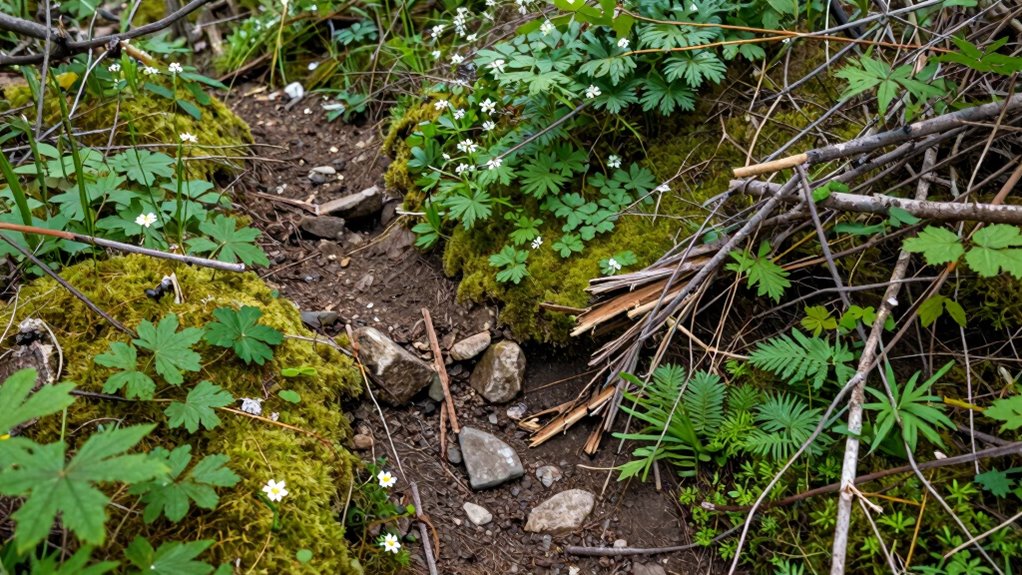
Recognizing signs of trail damage is essential for responsible hiking. When you venture off designated paths, look for visible indicators that the trail is suffering.
- Erosion or widened pathways: Noticeable ruts or soil loss signal heavy use or misuse, often worsened by off-trail shortcuts. These signs can accelerate environmental degradation if not addressed. Proper trail maintenance can help mitigate these issues and preserve natural resources.
- Missing or damaged trail signage and markers: These are vital guides; if they’re absent or broken, the trail’s integrity could be compromised. Regular trail inspection helps identify these issues early and maintain safety standards.
- Unnatural vegetation patterns: Trails should have clear boundaries; if plants are trampled or displaced, it indicates erosion or trail widening. Monitoring trail health helps identify early signs of environmental stress, allowing for timely preservation efforts. Staying informed about trail conditions can promote better stewardship of natural spaces.
- Additional impacts include the formation of informal paths or “social trails” that divert from the main route and cause further damage. Recognizing these signs early can help prevent long-term harm to the environment and ensure sustainable trail use.
Being attentive to these signs helps prevent further damage. Respect trail signage and trail markers to stay on the right path and protect the environment. Your actions matter in maintaining the trail’s health.
Long-Term Effects of Shortcuts on Nature
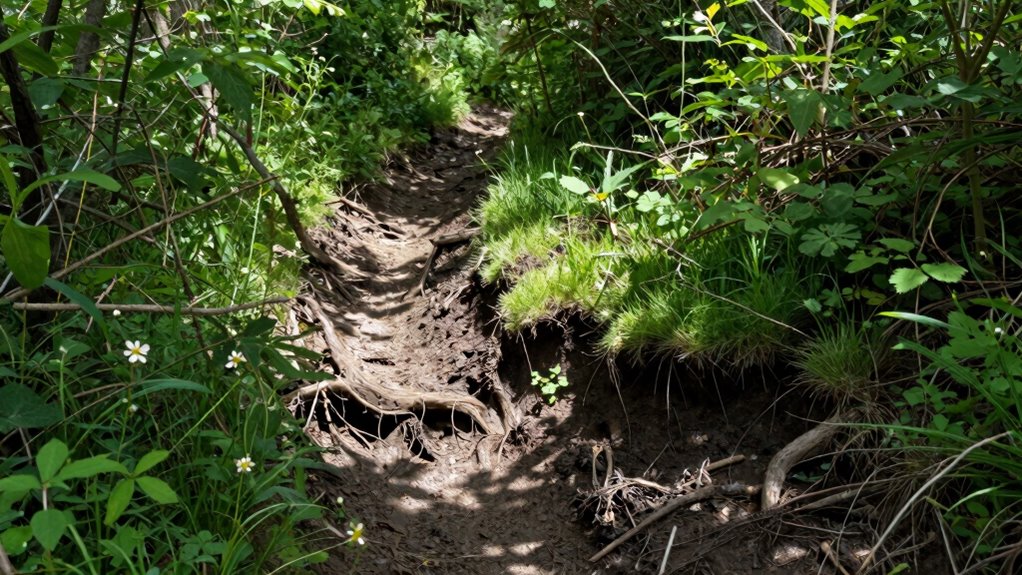
When hikers take shortcuts off established trails, they often cause lasting harm that extends beyond immediate damage. Over time, these shortcuts create new paths that erode soil, destroy plant roots, and fragment habitats. This ongoing degradation can alter water flow and increase erosion, making recovery difficult even after hikers return to designated trails. Without proper trail signage, hikers may unknowingly exacerbate this damage, unaware of the long-term consequences. Environmental education plays a crucial role in highlighting these impacts, helping hikers understand that their actions can cause irreversible harm. By respecting established routes and learning about trail preservation, hikers can reduce long-term damage and help maintain the health of natural ecosystems for future generations.
Why Staying on Trails Protects the Environment
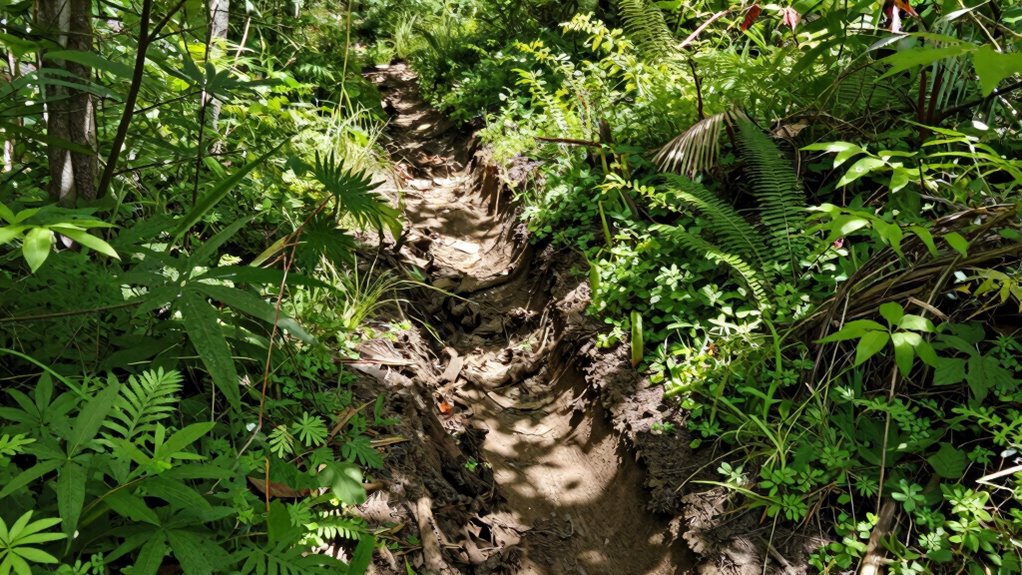
Staying on trails helps protect native plants from being trampled and destroyed. It also prevents soil from eroding and washing away, which can harm the landscape. Plus, it keeps wildlife habitats intact, so animals can live and thrive without disturbance.
Preserves Native Vegetation
Have you ever wondered how your choice to stick to designated trails helps protect native plants? Staying on trail corridors minimizes damage to native plantings that thrive in undisturbed areas. When you avoid off-trail shortcuts, you prevent trampling delicate flora and preserving their natural growth.
Consider these benefits:
- Protects diverse native plantings essential for local ecosystems.
- Maintains the integrity of trail corridors that serve as habitats.
- Reduces the risk of invasive species spreading via disturbed soil.
Prevents Soil Erosion
By avoiding off-trail shortcuts, you help keep soil intact and prevent erosion that can damage the environment. When you stray from designated paths, your footsteps cause soil compaction, which reduces its ability to absorb water. This compaction makes the soil more vulnerable to water runoff, especially during rain, washing away topsoil and creating ruts. Over time, these erosive processes degrade the land, making it harder for native plants to grow and increasing sediment in nearby water bodies. Staying on trails minimizes disturbance to the soil structure, allowing it to retain its stability and absorb water effectively. This simple choice helps protect ecosystems from the harmful effects of erosion, preserving the landscape’s natural integrity for future generations.
Protects Wildlife Habitats
When you stick to designated trails, you directly help protect wildlife habitats from disturbance. Staying on established paths minimizes habitat fragmentation, allowing animals to access crucial wildlife corridors safely. It also prevents the spread of invasive species, which often hitch rides on off-trail gear and plants. By avoiding shortcuts, you support natural ecosystems and reduce stress on native species.
- Preserves wildlife corridors, ensuring safe migration and breeding.
- Limits the spread of invasive species that threaten native plants and animals.
- Keeps sensitive habitats intact, reducing human-wildlife conflicts and habitat destruction.
Your responsible trail use helps maintain the delicate balance of local ecosystems, protecting the habitats that wildlife depend on for survival.
Tips for Responsible Hiking and Trail Use

To make certain everyone can enjoy the outdoors, it’s essential to hike responsibly and use trails thoughtfully. Pay attention to trail signage, which provides important guidance on staying on designated paths and protecting sensitive areas. Always follow marked trails to avoid damaging plant life and disrupting wildlife habitats. Practice Leave No Trace principles by packing out all trash, leftover food, and gear, leaving the environment as you found it. Respect trail rules and stay alert for signs indicating closures or hazards. Keep noise levels down to avoid disturbing wildlife. By staying on established trails, respecting signage, and practicing responsible habits, you help preserve the natural beauty of the area for future hikers and protect the environment from unnecessary harm.
How Trail Maintenance Preserves Natural Areas
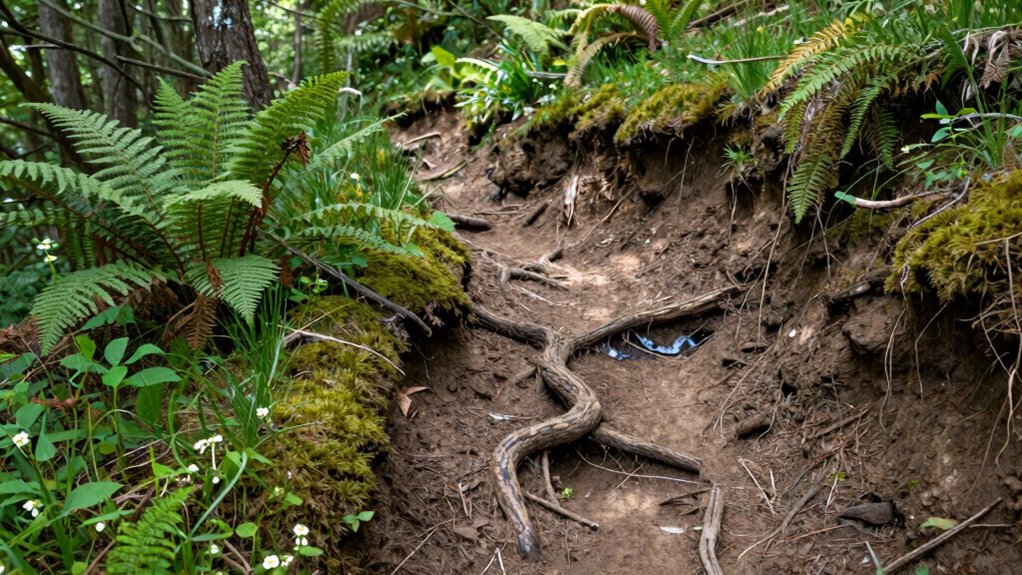
Trail maintenance plays a vital role in keeping natural areas healthy and accessible. It guarantees that trails are sustainable, reducing environmental impact while providing safe passage. Effective trail restoration helps repair damaged sections, preventing further deterioration. Erosion control measures, like installing water bars and switchbacks, direct water away from vulnerable areas, minimizing soil loss. Regular maintenance also involves clearing debris and managing vegetation to prevent overgrowth. By addressing these issues proactively, you help preserve the delicate balance of ecosystems and protect wildlife habitats. Proper trail upkeep encourages responsible use, discouraging off-trail shortcuts that cause damage. Ultimately, your efforts in trail restoration and erosion control sustain the beauty and integrity of natural areas for future generations.
How to Encourage Others to Protect Our Trails
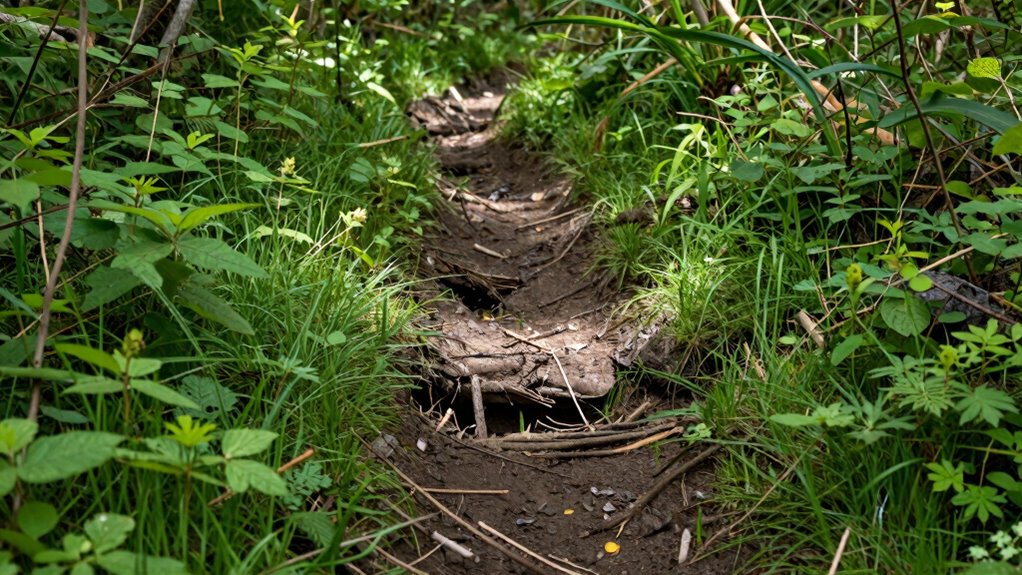
Encouraging others to protect our trails starts with sharing the importance of preserving these natural spaces. Talk about how trail etiquette keeps everyone safe and minimizes environmental impact. When you lead by example—staying on designated paths, packing out trash, and respecting wildlife—you inspire others to do the same. Promote community stewardship by organizing trail clean-ups or educational events that highlight the value of responsible recreation. Explain how small actions from individuals can collectively reduce erosion, habitat destruction, and trail damage. When people understand their role in protecting shared spaces, they’re more likely to follow best practices. Engaging others with positive, clear messages creates a culture of respect and responsibility, ensuring our trails remain healthy and accessible for generations to come.
Frequently Asked Questions
What Are the Legal Consequences of Damaging Protected Natural Areas?
If you damage protected natural areas, you could face serious legal repercussions, including fines or even criminal charges. Conservation penalties aim to deter such behavior and preserve public lands. You might be required to pay restitution or undertake restoration efforts. Ignoring these laws can lead to long-lasting environmental damage, so it’s best to stay on designated trails and respect protected zones to avoid legal trouble and help conservation efforts.
How Do Off-Trail Shortcuts Impact Water Quality in Nearby Streams?
When you take off-trail shortcuts, you stir up a storm beneath your feet, causing soil erosion and sediment runoff. These tiny particles wash into nearby streams, clouding the water and choking aquatic life. Your shortcut might seem small, but it unleashes a ripple effect, degrading water quality and harming ecosystems. Every step off the trail leaves a mark, turning clear streams into murky, unhealthy waters.
Are There Specific Species Most Vulnerable to Habitat Disturbance?
You should know that certain species are more vulnerable to habitat disturbance, especially those with high habitat sensitivity. For example, amphibians and ground-nesting birds are particularly at risk because they rely heavily on specific environments. When you take off-trail shortcuts, you may unintentionally disturb their habitats, making these species more vulnerable to population decline. Protecting fragile ecosystems helps make certain these sensitive species survive and thrive.
How Can Trail Users Report Damage to Authorities Effectively?
You can report damage to authorities by following proper reporting procedures, which often involve contacting park rangers or visiting official websites. When reporting, include detailed information about the trail signage issues or damage you’ve observed, such as location and description. Use available tools like mobile apps or hotline numbers to guarantee your report is clear and actionable, helping authorities address the damage swiftly and protect the trail environment.
What Role Do Local Communities Play in Trail Conservation Efforts?
You play a crucial role in trail conservation through community engagement, helping to preserve local culture and natural beauty. By participating in cleanup events, advocating for responsible use, and sharing knowledge about cultural preservation, you help protect trails from damage. Your involvement encourages others to follow suit, creating a collective effort that sustains the environment and respects the cultural significance of the area for future generations.
Conclusion
By sticking to designated trails, you help protect fragile ecosystems and prevent long-term damage. Did you know that a single off-trail shortcut can cause soil erosion equivalent to years of natural wear? Every small step off the path adds up, harming plant life and wildlife. Stay responsible, spread awareness, and enjoy nature without leaving a mark. Together, we can preserve these beautiful spaces for generations to come.