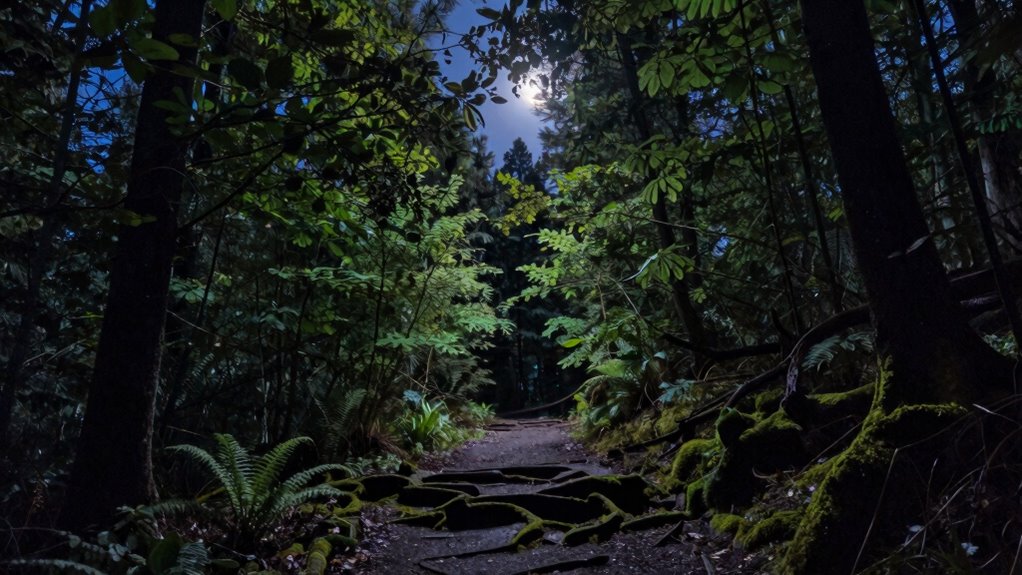

To enjoy night nature without ruining it, stay on established trails and keep noise levels low to avoid disturbing animals. Use red lights for illumination to protect night vision and reduce disturbance, and bring appropriate gear like a tripod for low-light photography. Be patient, move quietly, and observe subtle signs of wildlife activity. Always leave no trace by packing out trash and respecting the environment. Exploring with caution ensures you experience the magic without harming it—discover more tips as you continue.
Prime for Young Adults — start your free trial
Fast free delivery, streaming and member deals for eligible 18–24 year olds.
As an affiliate, we earn on qualifying purchases.
Key Takeaways
- Use red or dim lighting to observe wildlife without disturbing their natural behavior.
- Stick to designated trails to protect habitats and minimize environmental impact.
- Keep noise levels low to avoid frightening nocturnal animals and disrupting ecosystems.
- Practice patience and quiet observation to fully appreciate nocturnal wildlife activity.
- Leave no trace by packing out all trash and avoiding unnecessary environmental disturbance.

Nighttime offers a unique opportunity to connect with nature in ways daytime never can. As darkness settles in, you can observe wildlife that’s often hidden during the day, such as owls, foxes, and nocturnal insects. To truly enjoy this experience, bring a good flashlight or headlamp that doesn’t disturb the animals—red light is best for preserving night vision and minimizing disruption. Move slowly and quietly, allowing your eyes to adjust to the dark so you can better spot movement and observe wildlife without startling them. Remember, patience is key; many creatures are shy and only come out under the cover of night when they feel safe. With a little practice, you’ll start recognizing the subtle signs of animal activity, like rustling leaves or distant calls, adding an enriching layer to your night nature experience. You can also learn to identify different species by their distinctive sounds, which enhances your understanding and appreciation of nocturnal ecosystems. Additionally, understanding animal behavior can help you anticipate their movements and enjoy the experience more fully.
Night photography is another compelling reason to venture out after sunset. It lets you capture the beauty of the night sky, the silhouettes of trees against the moon, or even the glow of fireflies. To do this without ruining the experience, use a camera with manual settings so you can control exposure and focus, and always keep your shutter open longer to gather enough light. A tripod is essential for sharp images, as even slight movements can blur your shots in low light. Avoid using camera flashes; they can disturb wildlife and spoil the natural ambiance. Instead, experiment with different aperture and ISO settings to find what works best for capturing the scene without overexposing or producing noise. Night photography isn’t just about technical skill—it’s about patience and observation. Take your time to frame your shots carefully, and don’t be discouraged by initial failures. The more you practice, the more you’ll discover how to highlight the natural beauty of the night without interfering with the environment.
Throughout your night excursions, be mindful of your surroundings and respect the delicate balance of local ecosystems. Stick to established trails to avoid trampling plants or disturbing animal habitats. Keep noise levels down to prevent frightening away nocturnal creatures or disrupting their routines. Leave no trace by packing out all your trash and minimizing your impact on the environment. By being considerate and prepared, you can enjoy the magic of night nature fully—whether by observing wildlife or capturing stunning night photos—without causing harm or leaving a negative footprint. Nighttime is a special time for discovery, and with a thoughtful approach, it can be an unforgettable adventure that deepens your appreciation for the natural world.
red LED headlamp for night hiking
As an affiliate, we earn on qualifying purchases.
As an affiliate, we earn on qualifying purchases.
Frequently Asked Questions
What Safety Gear Should I Carry for Night Nature Activities?
You should carry essential safety gear like a reliable flashlight or headlamp for trail navigation and extra batteries. Bring a map and compass, just in case, and consider a whistle for emergencies. For campfire safety, pack a lighter, waterproof matches, and a fire extinguisher or water source nearby. Wear sturdy shoes, and consider a first aid kit. These items help you enjoy night nature safely while respecting the environment.
How Do I Identify Nocturnal Animals Safely?
Like a lantern illuminating the dark, understanding wildlife behavior guides you safely. To identify nocturnal animals, observe their nocturnal adaptations—glowing eyes, silent movements, or distinctive calls. Use red light to avoid startling them, and stay quiet to respect their natural rhythm. Recognize patterns in their behavior, and with patience, you’ll connect with these mysterious creatures, respecting their world while learning to identify them safely in the night.
Are There Specific Times Best for Night Nature Viewing?
You’ll find the best night nature viewing during the darker moon phases, like a new moon or crescent, when darkness enhances visibility of nocturnal animals and plants. These times reduce moonlight interference, making it easier to observe creatures like owls and bats. Also, pay attention to the blooming of nocturnal plants, which often open at specific times. Planning your outings around these moon phases maximizes your chances for an incredible, immersive night nature experience.
How Can I Reduce Light Pollution During Nighttime Outings?
Think of your night outing as a delicate dance with darkness. To reduce light pollution, you actively choose to follow light pollution awareness and adopt sustainable outdoor practices. Use red or low-intensity lights, shield your lanterns, and avoid unnecessary bright beams. By doing so, you preserve the natural ambiance, allowing you and others to enjoy the night sky’s true beauty without disrupting nocturnal ecosystems.
What Should I Do if I Encounter Dangerous Wildlife?
If you encounter dangerous wildlife, stay calm and avoid sudden movements. Observe wildlife behavior carefully—most animals won’t attack unless threatened. Follow safety precautions like giving animals plenty of space, backing away slowly, and not trying to feed or approach them. If needed, make yourself look bigger and loud to deter the animal. Always carry a flashlight and be aware of your surroundings to prevent surprises. Your safety comes first.
Conclusion
By following these simple tips, you can immerse yourself in the magic of night nature without causing harm. Respect the environment, keep noise levels down, and leave no trace of your visit. When you do, you’ll experience the night’s wonders more vividly than you ever imagined — it’s like stepping into a secret world that’s teeming with life, waiting just for you. So go out, explore, and enjoy the night without leaving a mark!
Flea & tick season Picks
flea and tick prevention
As an affiliate, we earn on qualifying purchases.