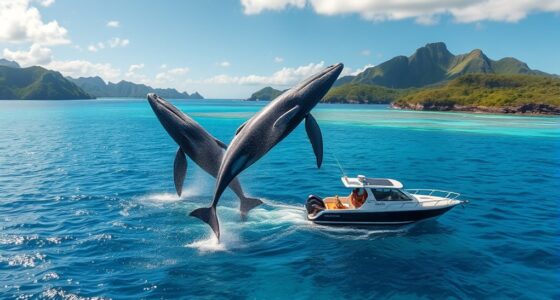
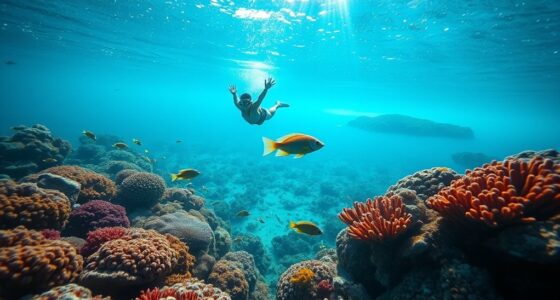
When you’re wildlife viewing in Abel Tasman National Park, keep a safe distance of at least 20 meters from animals to avoid disturbing their natural behaviors. Use zoom lenses for photography and stick to marked trails to protect the landscape. Be respectful of bird nests and avoid touching them, as they’re fragile and easily disturbed. Always carry out your litter and keep food sealed. For more tips on how to support wildlife conservation while enjoying the park, keep exploring!
Key Takeaways
- Maintain a safe distance of at least 20 meters from wildlife to avoid disturbing their natural behaviors.
- Use zoom lenses for photography and avoid sudden movements to capture images without stressing animals.
- Stick to marked trails and carry out all litter to protect the park’s ecosystem and natural beauty.
- Keep food sealed and dispose of waste properly to prevent attracting wildlife and disrupting their habitats.
- Educate others about wildlife etiquette and conservation efforts to promote a respectful environment for future visitors.
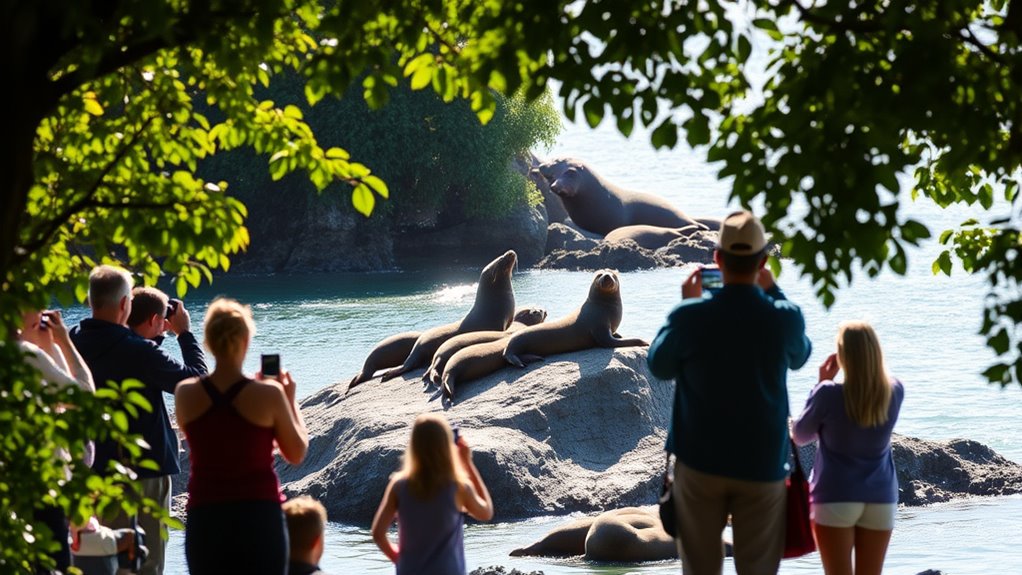
When you’re out in nature, witnessing wildlife in their natural habitat can be a thrilling experience. The sights and sounds of Abel Tasman National Park offer an incredible opportunity to connect with animals, especially birds. However, to guarantee both your enjoyment and the safety of the wildlife, it’s essential to follow some basic etiquette guidelines.
First, keep your distance. While it might be tempting to get as close as possible for that perfect shot, remember that getting too near can stress the birds and disrupt their natural behaviors. When it comes to bird safety, staying at least 20 meters away is a good rule of thumb. Use a zoom lens for photography instead. With the right gear, you can capture stunning shots without encroaching on their space. This not only protects the birds but also allows you to observe their behavior without interference.
When you’re out photographing wildlife, consider the time of day. Early mornings or late afternoons provide the best light for photography and often lead to more active wildlife. Keep your camera settings ready to go, as birds can be unpredictable. Remember to be patient and minimize sudden movements, which could scare them away. Practice makes perfect, so don’t hesitate to take several shots to ensure you get that engaging image.
It’s also indispensable to respect the environment. Stick to marked trails to avoid damaging native plants and habitats. Littering is a big no-no, so carry out what you bring in. If you’re eating or snacking, make sure to keep food sealed and dispose of waste properly. Clean surroundings help maintain the park’s beauty and protect its wildlife.
If you happen to encounter a bird nest, give it a wide berth. Nesting birds are especially vulnerable, and your presence can lead to abandonment or predation. It’s essential to understand that while you may want to capture a moment, the safety and well-being of the wildlife must come first.
Lastly, share your knowledge. If you’re with others, encourage them to follow these etiquette rules as well. By promoting bird safety and respecting wildlife, you contribute to a more enjoyable experience for everyone. The beauty of Abel Tasman National Park is best appreciated when we all take part in conserving it for future visitors and the incredible wildlife that calls it home. Additionally, understanding the importance of wildlife conservation can enhance your appreciation for the ecosystem and its delicate balance.
Frequently Asked Questions
What Types of Wildlife Can I Expect to See in Abel Tasman National Park?
In Abel Tasman National Park, you can expect to see a variety of wildlife. You’ll encounter numerous bird species, including the vibrant kaka and the rare kiwi, which can be spotted at dusk. If you venture into the waters, you might also catch a glimpse of marine life such as playful seals, dolphins, and even the occasional whale. Exploring the park, you’ll be amazed by the diverse ecosystems teeming with life!
Are There Specific Times of Year for Better Wildlife Viewing Opportunities?
Yes, there are specific times of year that offer better wildlife viewing opportunities. You’ll find that seasonal migrations occur in spring and autumn, when many birds and marine life are more active. Breeding seasons in late spring and summer also bring animals closer to shore for nesting. If you plan your visit during these times, you’re likely to see a variety of wildlife, enhancing your experience in the park.
Is It Safe to Approach Wildlife in the Park?
It’s not safe to approach wildlife in the park. Animals can be unpredictable, and getting too close may stress them or provoke defensive behavior. Wildlife safety should always be your priority. Instead, maintain a respectful distance and observe them from afar. This way, you can enjoy their natural behavior without putting yourself or the animals at risk. Remember, a safe experience benefits everyone involved, including the wildlife you’re admiring.
Can I Bring My Pet While Wildlife Viewing in the Park?
No, you can’t bring your pet while wildlife viewing in the park. Park regulations strictly prohibit pets to protect the native wildlife and their habitats. Pets can disturb animals, leading to stress or displacement, which is why these pet restrictions are in place. If you’re planning a visit, it’s best to leave your furry friends at home so you can fully enjoy the park’s natural beauty without any interruptions.
Are Guided Wildlife Tours Available in Abel Tasman National Park?
Yes, guided wildlife tours are available in Abel Tasman National Park. These tours offer a fantastic opportunity for you to explore the diverse wildlife while enhancing your wildlife photography skills. You’ll get expert guidance from knowledgeable hosts who know the best spots for sightings. Don’t forget to bring your camera! With their help, you’ll capture stunning images of the park’s unique flora and fauna, making your experience truly memorable.
Conclusion
When you venture into Abel Tasman National Park, remember to respect the wildlife, observe from a distance, and keep the environment pristine. Let your footsteps be light, your presence gentle, and your curiosity mindful. In doing so, you’ll not only witness the beauty of nature but also protect it for future generations. So, cherish the moment, savor the sights, and preserve the peace, ensuring that both you and the wildlife thrive in harmony.