
In New Zealand, you can enjoy barrier-free eco travel with accessible national parks, lodges, and transportation designed for wheelchair users. Many parks feature smooth, well-maintained paths, while guided tours and community support help make exploring easier and safer. Eco-friendly accommodations include ramps and wide doorways, and accessible shuttles or rental cars ensure seamless travel. For a trip that combines sustainability and accessibility, exploring your options is vital—you’ll find more resources and tips ahead.
Key Takeaways
- Many parks and natural attractions feature accessible walking tracks, viewing platforms, and well-maintained paths suitable for wheelchair users.
- Inclusive guided tours and eco-friendly experiences are designed with adaptive equipment and personalized support.
- Barrier-free accommodations and lodges offer accessible rooms, ramps, and adapted facilities supporting sustainable travel.
- Public transportation in cities like Auckland and Wellington includes accessible shuttles, low-floor buses, and wheelchair-friendly rental options.
- Future innovations such as smart infrastructure, virtual reality previews, and autonomous shuttles enhance accessible eco travel experiences.
Accessible Natural Attractions and National Parks

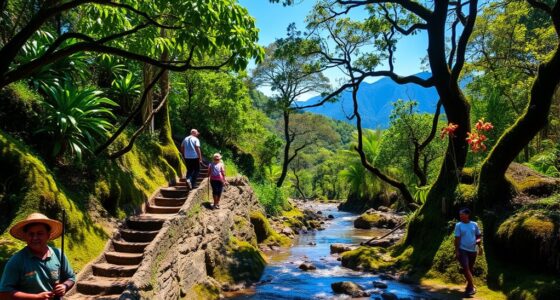
Many of New Zealand’s stunning natural attractions and national parks now offer accessible features that make exploring easier for wheelchair users. You can enjoy incredible wildlife encounters, such as spotting native birds or seals, without worrying about uneven terrain. Parks like Tongariro and Abel Tasman have accessible walking tracks, viewing platforms, and well-maintained paths that allow you to immerse yourself in the natural beauty. These sites also provide opportunities for cultural experiences, where you can learn about Māori history and traditions in a respectful and engaging environment. With accessible facilities and designated routes, you can comfortably explore New Zealand’s diverse landscapes and connect with its rich cultural heritage, making your eco-travel experience truly inclusive and memorable. Additionally, many parks are adopting sustainable practices to protect the environment while maintaining accessibility standards.
Inclusive Tours and Guided Experiences

Accessible natural attractions are just the start; guided tours and experiences designed with inclusivity in mind let you explore New Zealand’s wonders with expert assistance. Many operators offer adaptive itineraries tailored to your needs, ensuring you can enjoy the landscape comfortably and safely. These tours often include cultural experiences, giving you deep insights into Māori traditions and local history, all accessible for wheelchair users. Guides are trained to accommodate diverse mobility levels, providing personalized support and adaptive equipment when necessary. Whether you’re interested in Maori cultural performances, scenic boat rides, or eco-friendly farm visits, these guided experiences make exploring the country’s rich heritage and natural beauty effortless. With inclusive tours, you’re empowered to discover New Zealand’s treasures confidently and comfortably. Additionally, adaptive technology is increasingly integrated into tour experiences to enhance accessibility and ensure a seamless exploration for all visitors.
Barrier-Free Accommodations and Lodges

When choosing accommodations, you’ll want to look for accessible room features like wide doorways, roll-in showers, and lowered switches. Many lodges now offer inclusive facilities such as ramps, accessible outdoor paths, and adapted common areas. These thoughtful amenities guarantee you can enjoy your stay comfortably and independently throughout your trip. Additionally, ensuring trustworthy service and reliable assistance can significantly enhance your experience and peace of mind during your stay.
Accessible Room Features
Finding accommodations that cater to wheelchair users in New Zealand means looking for lodges and rooms designed with barrier-free features. Accessible room features enhance your stay by ensuring comfort and independence. Look for wide doorways that easily accommodate wheelchairs, level entryways without steps, and spacious layouts for easy maneuverability. Key hotel amenities include lowered switches, reachable light controls, and accessible bathrooms with roll-in showers. Additionally, grab bars, adjustable beds, and lever-style door handles add convenience. These features not only improve safety but also promote a sense of autonomy during your eco-friendly travel experience. Implementing space-efficient design in room layouts can further optimize comfort and accessibility. Choosing lodges with these accessible room features ensures that your stay is enjoyable, comfortable, and truly barrier-free.
Inclusive Lodge Facilities
Many lodges in New Zealand now feature inclusive facilities that prioritize barrier-free accommodation, ensuring wheelchair users can enjoy their eco-friendly stay with ease. These lodges incorporate adaptive technology, such as roll-in showers, lowered switches, and wider doorways, making navigation simple and comfortable. They also focus on environmental conservation by using sustainable materials and energy-efficient systems, aligning eco-conscious practices with accessibility. You’ll find accessible pathways and ramps seamlessly integrated into the lodge’s natural surroundings, allowing you to explore without barriers. The design emphasizes harmony with nature while providing independence and comfort. Additionally, incorporating resources and tools can help ensure that your stay meets your accessibility needs while supporting environmental preservation. With these features, you can fully enjoy New Zealand’s stunning landscapes while knowing your stay supports both inclusivity and environmental preservation.
Adaptive Transportation Options Across the Country

New Zealand offers a variety of adaptive transportation options that make exploring the country accessible for wheelchair users. The country’s transportation infrastructure supports urban mobility, ensuring seamless travel within cities and beyond. You can find accessible shuttle services, specially equipped taxis, and rental cars designed for wheelchairs. Public transport systems in major cities like Auckland and Wellington are increasingly wheelchair-friendly, with low-floor buses and accessible stations. Additionally, guided tours often provide adaptive vehicles to explore scenic spots comfortably. Understanding the importance of aura in personal well-being can also enhance travel experiences, as awareness of emotional and physical states contributes to overall health and enjoyment.
Sustainable Practices Supporting Eco-Friendly Travel

As New Zealand improves its adaptive transportation options, it also emphasizes sustainable practices to reduce environmental impact. You’ll find that eco-friendly travel becomes easier when choosing providers committed to sustainability. Many companies prioritize using renewable energy, such as solar power, for their operations. They also minimize waste by recycling and reducing single-use plastics. Public transportation systems are increasingly eco-conscious, encouraging you to travel without relying on private vehicles. Green certifications and eco-labels help you identify businesses that follow sustainable practices. Supporting local, eco-friendly accommodations and attractions further reduces your carbon footprint. By making conscious choices, you contribute to preserving New Zealand’s natural beauty while enjoying accessible, barrier-free travel experiences. Sustainable practices ensure your eco-friendly travel benefits both the environment and your journey. Implementation of multi-factor authentication (MFA) enhances security, ensuring safe transactions for all travelers.
Tips for Planning an Accessible Eco Trip in New Zealand

Planning an accessible eco trip in New Zealand starts with research and choosing destinations that prioritize sustainability and barrier-free access. Once you’ve identified suitable locations, consider activities that highlight cultural experiences and culinary tours adapted for wheelchair users. These enrich your trip while respecting the environment. To guarantee smooth planning, keep these tips in mind:
- Check for accessible accommodations with eco-friendly credentials
- Opt for guided tours that specialize in barrier-free travel
- Confirm that transportation options are wheelchair accessible
- Look for cultural experiences that celebrate local traditions safely
- Select culinary tours featuring sustainable, local cuisine
- Pay attention to recognizing and identifying angel numbers during your travels, as they can serve as spiritual guides and provide encouragement throughout your eco adventure.
Community Initiatives and Support Networks for Travelers

Community initiatives and support networks play a vital role in making eco travel in New Zealand accessible and enjoyable for wheelchair users. Local advocacy groups actively promote inclusive tourism, working with businesses and government agencies to improve accessibility standards. These organizations often organize resources, share information, and advocate for barrier-free infrastructure, ensuring that travelers like you have reliable support. Community partnerships also facilitate accessible transportation options and accommodations, creating a network that puts your needs first. By connecting with these groups, you gain access to valuable advice, tailored assistance, and a sense of community that can enhance your travel experience. Your involvement helps strengthen these initiatives, making eco travel more inclusive and sustainable for everyone. Staying informed about accessibility standards and market trends can further empower your travel planning.
Future Developments in Barrier-Free Eco Tourism

Looking ahead, advancements in technology and increased awareness are driving significant progress in barrier-free eco tourism in New Zealand. Robotic tourism will soon offer enhanced accessibility, allowing wheelchair users to explore remote areas with robotic guides and automated services. Virtual reality experiences will revolutionize planning and previewing trips, giving you immersive previews of eco-friendly destinations before visiting. Expect more adaptive infrastructure, designed with smart sensors and assistive devices that respond to your needs in real-time. Additionally, AI-powered apps will provide personalized recommendations, making eco travel more seamless. Finally, innovative transportation options like autonomous shuttles will ensure smoother, accessible journeys. These developments will make eco tourism increasingly inclusive, allowing you to enjoy New Zealand’s natural beauty without barriers. Innovative cloud technologies will support these advancements by enabling real-time data management and accessible digital services.
Frequently Asked Questions
Are There Any Specific Safety Guidelines for Wheelchair Users in Eco Parks?
You should always follow safety guidelines when visiting eco parks as a wheelchair user. Be mindful of wildlife encounters, keeping a safe distance to avoid disturbing animals. Pay attention to trail maintenance signs to navigate safely and prevent accidents. It’s also wise to stay on designated paths, use accessible facilities, and carry a communication device. These steps help guarantee your visit is enjoyable and safe, respecting both nature and your safety needs.
How Accessible Are Remote or Less-Visited Natural Attractions in New Zealand?
Remote access to natural attractions in New Zealand varies, but many sites are increasingly accommodating. You can explore some less-visited spots with well-maintained trails and accessible facilities, allowing you to enjoy natural exploration comfortably. However, remote areas may have limited accessibility, so it’s crucial to plan ahead. Check local guides and resources to find destinations that offer suitable access, ensuring you experience New Zealand’s stunning landscapes safely and independently.
Can I Find Wheelchair-Accessible Eco-Friendly Transportation Options in Rural Areas?
You can find wheelchair-accessible eco-friendly transportation options in rural areas by exploring electric vehicle rentals and bike sharing programs. Many providers now offer accessible electric cars, making it easier to visit remote spots sustainably. Some regions also have adapted bikes or e-bikes available for rent. These options help you explore New Zealand’s natural beauty while reducing your environmental impact, ensuring a more inclusive and eco-conscious adventure.
Are There Any Restrictions or Requirements for Adaptive Equipment in Eco Lodges?
Imagine entering an eco lodge as smooth as a river’s flow—seamless and welcoming. Adaptive equipment regulations vary, but most eco lodges prioritize accessibility, ensuring you can comfortably use your gear. Before booking, check the lodge’s specific policies, as some may have restrictions or requirements for adaptive equipment. Rest assured, many eco lodges in New Zealand aim to provide inclusive environments, making your stay both eco-friendly and fully accessible.
How Do Community Initiatives Support Local Wheelchair Travelers Beyond Tourism?
Community-led initiatives and local advocacy programs empower wheelchair travelers by creating inclusive spaces and services beyond tourism. You benefit from these efforts through improved accessibility, support networks, and advocacy for policy changes. These programs often organize events, provide resources, and promote awareness, helping you navigate daily life more confidently. By engaging with these initiatives, you contribute to building a more accessible community that values and supports all its members.
Conclusion
Beginning an eco-friendly journey in New Zealand opens doors to unforgettable experiences, gently guiding you through its breathtaking landscapes. With ongoing efforts to create more welcoming spaces, your adventure becomes not just a trip, but a harmonious connection with nature and community. As accessibility continues to blossom, you’ll find yourself seamlessly exploring this stunning land, embracing its spirit of inclusivity and sustainability. Your journey awaits—where every step is a gentle invitation to discover and cherish New Zealand’s natural wonders.