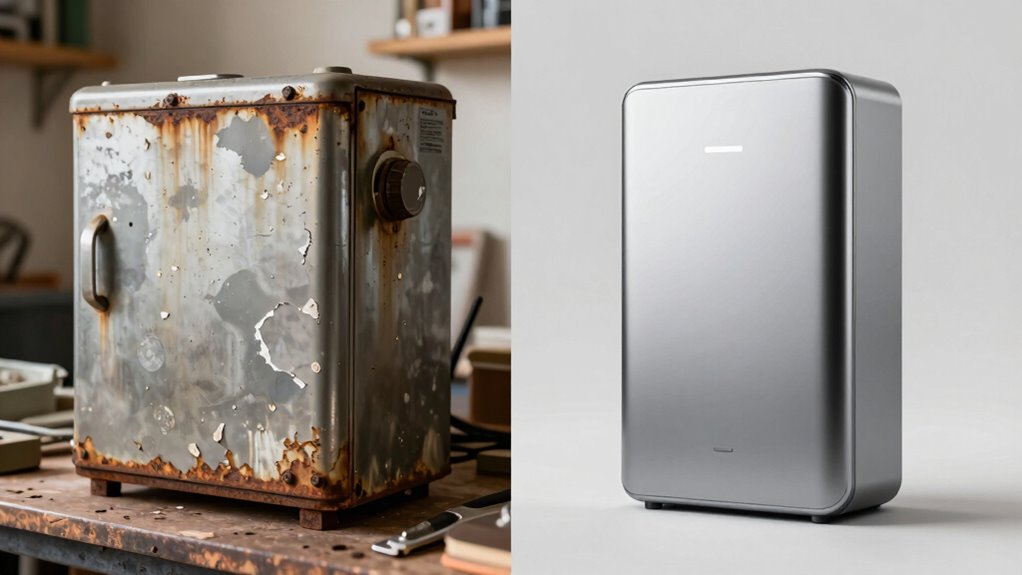
When deciding whether to repair or replace, regard the immediate costs, long-term reliability, environmental impact, and energy savings. If repairs are frequent or costly, replacing might save money and reduce environmental waste over time. On the other hand, repairing is often more sustainable and budget-friendly if it extends the item’s life considerably. Exploring these factors can help you make the best choice — and there’s more to contemplate if you keep exploring further.
Key Takeaways
- Compare immediate repair costs and frequency of future repairs against the price of a new item.
- Assess environmental impact: repairing reduces waste and resource use versus disposing of broken items.
- Determine if repairs significantly extend the item’s lifespan or if replacement offers better long-term reliability.
- Consider technological and energy efficiency improvements in new models that could lower ongoing costs.
- Evaluate personal priorities, budget constraints, and practicality to decide whether to repair or replace.
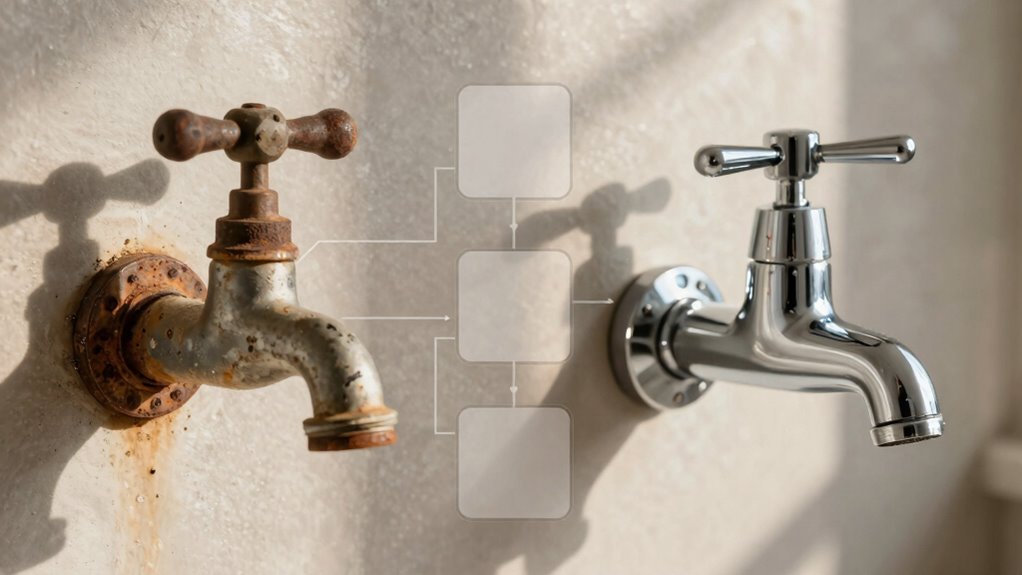
When deciding whether to repair or replace a malfunctioning item, it’s essential to weigh the costs, benefits, and long-term implications. A thorough cost analysis helps you determine which option makes the most financial sense. You’ll want to contemplate the immediate expenses of repairs versus the upfront cost of a new item. Repairs might seem cheaper initially, but if they’re frequent or costly, replacing could be more economical over time. Beyond just dollars, think about the environmental impact. Repairing often produces less waste and reduces resource consumption, making it a greener choice. Conversely, disposing of broken items contributes to landfill overflow and environmental degradation. So, when considering repair or replacement, assess how your decision aligns with sustainability goals and the broader ecological footprint.
Weigh repair costs against replacement benefits, considering environmental impact and long-term savings for smarter decisions.
You should also evaluate the reliability and lifespan of your current item. If repairs temporarily fix the problem but don’t extend its life considerably, replacing might be smarter. On the other hand, if repairs can restore the item to proper working condition for several more years at a reasonable cost, repairing becomes more appealing. This is where a detailed cost analysis is invaluable. Break down the expenses involved—parts, labor, potential future repairs—and compare them to the price of a new product. Sometimes, the cumulative cost of ongoing repairs surpasses the price of a new item, tipping the scale toward replacement. Additionally, considering technological or energy efficiency** improvements found in newer models** can influence your decision.
Another key consideration is the technological or energy efficiency improvements found in newer models. A replacement might not only solve your current issues but also provide energy savings and modern features that reduce ongoing costs. Think about how much you value convenience and efficiency. If a new model offers significant advancements, the initial investment could pay off in lower utility bills and enhanced performance. Conversely, if your current item still functions effectively and meets your needs, repair could be the more sensible choice.
Finally, consider your personal circumstances and priorities. If minimizing environmental impact is a top concern, repairing whenever feasible aligns with sustainability. If budget constraints or the urgency of the situation favor a quick fix, assess whether repairing or replacing offers the best long-term value. Ultimately, a balanced evaluation—factoring in the cost analysis, environmental impact, reliability, efficiency, and personal needs—guides you toward the most practical, responsible decision.
Frequently Asked Questions
How Do Repair Costs Compare to Replacement Expenses Overall?
You’ll find that repair costs are generally lower than replacement expenses initially, but a thorough cost analysis shows that over time, replacement can be more economical. When considering lifespan comparison, repairs might extend your current item’s life, but if the lifespan is limited, replacing could save you money in the long run. Evaluate both factors carefully to make an informed decision that balances immediate costs and future savings.
What Factors Influence the Decision to Repair or Replace?
You weigh the cost benefit analysis and risk assessment to decide whether to repair or replace. Imagine inspecting your aging appliance or vehicle, feeling its rough edges versus a shiny new version. If repairs are affordable and extend its life, you lean toward fixing it. But if risks of breakdown or escalating costs loom, replacing offers peace of mind. Your decision hinges on balancing immediate expenses with long-term benefits.
Are There Environmental Benefits to Repairing Instead of Replacing?
Yes, repairing instead of replacing has environmental benefits. By choosing repairs, you promote sustainable practices that extend the lifespan of your items, reducing waste and conserving resources. Repairing helps cut down on landfill waste and minimizes the environmental impact associated with manufacturing new products. This small change in your decision-making supports a more eco-friendly lifestyle through waste reduction and responsible resource use, making a positive difference for the planet.
How Does the Age of the Item Affect the Decision?
Think of your item as a seasoned traveler on a long journey. As aging considerations come into play, its lifespan impact becomes clearer. When it’s old, repairs might be like patching worn shoes—cost-effective but temporary. If it’s young, a fix could extend its life considerably. But with age, you weigh whether repairs will truly serve or if replacing offers a fresh start, saving you time and future costs.
What Are Common Signs Indicating It’s Time to Replace?
You should replace your item when it shows frequent breakdowns, major repairs, or decreased efficiency, which can increase maintenance considerations. Visible damage, outdated technology, or safety concerns also signal it’s time to upgrade. Replacing can boost resale value and save you money over time. If repairs cost more than the item’s worth or it no longer meets your needs, replacing is the smarter choice, ensuring reliability and long-term savings.
Conclusion
When faced with a broken appliance, think of it like fixing a leaky faucet versus installing a new one. Sometimes, a simple repair stops the drip and saves you money, just like fixing an old device can extend its life. But if the repair costs more than a new model—and the appliance keeps breaking—you’re better off replacing it. Making the right choice keeps your home running smoothly, like a well-oiled machine.