
TL;DR

Get travel and outdoor gear delivered free with Prime
- Fast, free delivery on millions of items
- Prime Video, Amazon Music and more included
- Member-only deals all year
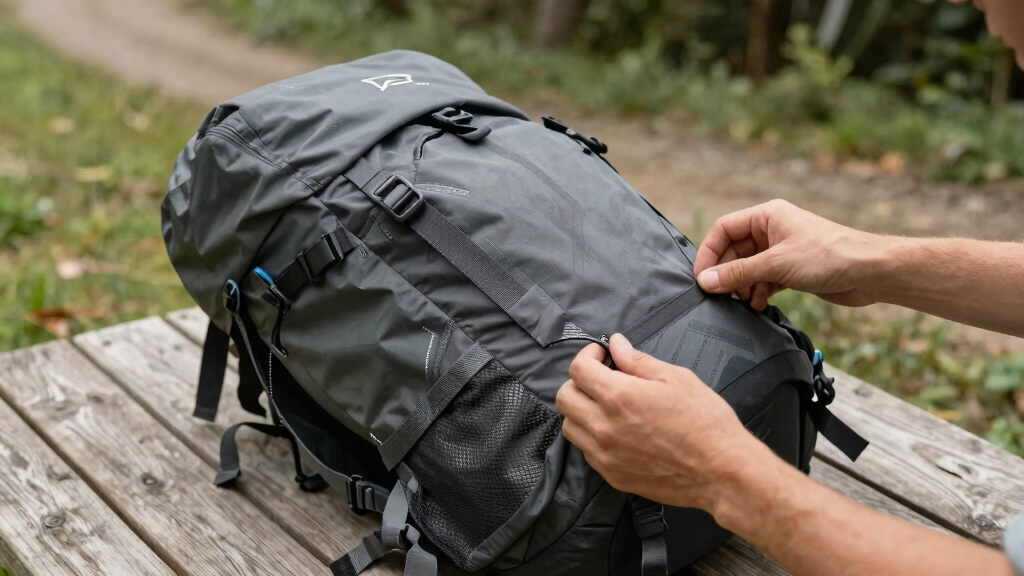
Lightweight hiking backpacks weigh between 1-3 pounds, use advanced durable fabrics, and are perfect for fastpacking or minimalist trips. Knowing your needs helps you pick the right model.
If you’ve ever lugged a bulky, heavy backpack on a trail and thought, there’s gotta be a better way, you’re not alone. The days of hauling around 10+ pounds just for a day hike are fading fast. Now, lightweight hiking backpacks are the secret weapon for speed, agility, and less fatigue. They’re designed to give you maximum freedom without sacrificing essential features.
In this guide, you’ll learn what makes these packs so effective, the latest innovations pushing their boundaries, and practical tips to pick the right one for your adventures. Whether you’re a fastpacker, minimalist, or just want to lighten your load, this info will help you make smarter choices.
A lightweight backpack typically weighs less than 3 pounds, focusing on materials like Dyneema and ripstop nylon.
Recent innovations include ultra-light fabrics, modular designs, and advanced ventilation for better comfort.
Choose a pack based on your trip length, gear needs, and terrain — bigger isn’t always better.
Durability depends on quality materials and proper care, even in lightweight models.
Smart packing and fit make a huge difference in comfort and efficiency on the trail.
What Makes a Backpack Truly Lightweight? Expect These Key Features
Lightweight hiking backpacks focus on reducing weight without losing durability or comfort. They typically weigh less than 3 pounds, often between 1 to 2 pounds. The secret lies in materials like ripstop nylon, Dyneema, and high-tenacity polyester that are tough yet feather-light.
Choosing a lightweight pack isn’t just about reducing ounces; it’s about understanding the tradeoffs involved. For instance, ultra-light fabrics like Dyneema are incredibly strong for their weight, but they often come at a higher cost and can be less forgiving if punctured or cut. Minimalist designs eliminate internal frames or excessive padding to save weight but may sacrifice some support or comfort, especially on rough terrains or longer hikes. The key is balancing your trip needs with these tradeoffs. A frameless Dyneema pack might be perfect for a fast, lightweight day hike but less suitable for a multi-day trek with heavy gear. Comfort features like padded hip belts and ergonomic back panels are often scaled back or made lighter, which may impact long-term wearability. Understanding what features you can compromise on—and which are essential—helps you select a pack that matches your priorities without sacrificing too much performance.
As an affiliate, we earn on qualifying purchases.
Latest Tech in Lightweight Backpacks That Will Blow Your Mind
Recent innovations have pushed the boundaries of what lightweight backpacks can do. Brands now use Dyneema Composite Fabric, a material so light and strong it’s used for high-end ultralight gear. Imagine a pack that weighs less than a liter of water but can carry 20 pounds of gear.
Design-wise, minimalist frames and frameless packs are gaining popularity. They support your load with flexible, lightweight structures that move with your body. This flexibility not only improves comfort but also reduces strain on your shoulders and back, allowing for longer hikes without fatigue. Ventilation is also a focus, with mesh back panels and channels that cut down sweat and keep you cooler on hot days. These features matter because they directly influence your comfort and ability to hike longer distances without overheating or discomfort.
Sustainable materials are making their way into the market, too. Eco-friendly fabrics and manufacturing methods aim to reduce environmental impact. Plus, modular designs let you remove or add features, customizing weight and capacity on the fly. This adaptability means you can tailor your pack to different trips, ensuring you’re not carrying unnecessary weight when you don’t need it. The implication? You get a highly versatile pack that can evolve with your needs, but it requires understanding which features are worth the added complexity or cost.
How Much Do These Packs Actually Weigh? The Numbers And Why It Matters
| Brand/Model | Weight | Capacity |
|---|---|---|
| Zpacks Arc Blast | 1 lb 12 oz | 40L |
| Hyperlite Mountain Gear 3400 | 2 lbs 4 oz | 55L |
| Osprey Levity | 1 lb 11 oz | 45L |
Choosing a pack isn’t just about weight — it’s about balance and suitability for your trip. A 1.5-pound pack with 30 liters might be ideal for quick day hikes or ultralight overnights, but it may lack the capacity or support needed for heavier multi-day trips. Conversely, a slightly larger pack might add weight but provide better support, durability, and organization for longer adventures. The key is understanding the tradeoff: lighter packs often mean sacrificing some features like extra pockets, padding, or frame support. Knowing how much weight you’re willing to carry versus the capacity you need helps you find the optimal balance. Remember, every ounce saved can translate into less fatigue and more enjoyment, especially on challenging terrain or extended trips. The right weight-capacity combination aligns with your trip goals and personal comfort, ensuring you’re not overburdened or underprepared.
Picking the Perfect Lightweight Backpack for Your Adventure
- Assess your trip type — day hike, overnight, or longer trek. Light packs for short trips often prioritize minimal weight and simple design, while multi-day packs require more capacity and support features.
- Set a weight limit — generally, aim for under 2 pounds if possible, but recognize that heavier trips may necessitate slightly bulkier packs. The goal is to match your pack’s weight to your endurance and terrain demands.
- Choose materials based on durability and weather. Dyneema is tough and resistant to tears and water, making it ideal for rugged conditions, but it comes at a higher price point. Nylon and polyester are more affordable and lighter but may require extra care or rain covers in wet weather.
- Check fit and comfort — straps, hip belts, and back panels should match your body shape. A well-fitting pack distributes weight evenly, reducing fatigue and preventing sore spots during long hikes.
- Consider features like hydration sleeve, gear loops, and pocket organization. While less is often more in ultralight packs, having accessible storage and attachment points can make a significant difference in efficiency and ease of access during your trip.
For example, a solo ultralight hiker might opt for a frameless Dyneema pack under 1.5 pounds, prioritizing minimal weight and maximum mobility. Conversely, a family backpacker might prefer a slightly larger, feature-rich model with more support and compartments to accommodate varied gear and multiple users. The key is aligning your choice with your specific trip needs and comfort preferences, ensuring your pack enhances your experience rather than hinders it.
Are Lighter Backpacks Tough Enough for Rugged Trails?
Yes, many lightweight packs are engineered with durability in mind, and advances in materials have significantly improved their toughness. Reinforced stress points, such as at the seams and attachment points, help these packs withstand the rigors of rugged terrain. Fabrics like Dyneema and high-denier polyester coatings provide resistance to tears, abrasion, and moisture, making them suitable for challenging environments.
For example, Hyperlite Mountain Gear’s packs are designed specifically for mountain trails and harsh conditions, demonstrating that lightweight doesn’t mean fragile. Properly matched to your trip’s demands, these packs can handle rain, rocks, and rough handling without failing. The key is selecting a pack with the right durability features for your terrain and ensuring you maintain it—cleaning off dirt, checking for wear, and avoiding sharp objects that could puncture the fabric. Remember, a lighter pack isn’t an invitation to be careless; it’s a tool that, with proper care, can last and perform reliably over many adventures.
How to Pack Your Lightweight Pack for Maximum Comfort and Space
Effective packing makes all the difference. Use the rolling technique for clothes to save space and prevent wrinkles. Place heavier items, like your stove and food, close to your back and hips to improve balance and reduce strain. Distribute weight evenly across the pack to prevent shifting and sore spots, which is especially crucial in lightweight packs that lack internal frames or padding.
Utilize compartments and gear loops to organize your gear efficiently. Keep frequently used items within easy reach—like snacks, maps, or rain gear—to minimize rummaging and maintain balance. Avoid overstuffing pockets or compartments, as excess weight can cause discomfort and reduce the pack’s stability. Think of your pack as a carefully balanced system; every item has a designated place, and proper packing prevents unnecessary movement or strain during your hike. When packed thoughtfully, a lightweight pack becomes a seamless extension of your body, enhancing comfort, mobility, and overall hiking enjoyment.
Frequently Asked Questions
How do I pick the right size for my lightweight backpack?
Choose a pack capacity based on your trip length and gear. Day hikes need 10-20L, overnight trips 30-40L, and longer adventures 40L+. Fit is key; try on different models to find the most comfortable one.Are lightweight backpacks durable enough for rough terrain?
Yes, many are designed with reinforced stress points and tough fabrics like Dyneema. Match your pack to your trail conditions, and proper care will extend its lifespan.Can I use a lightweight backpack for winter or wet conditions?
Absolutely, but look for water-resistant fabrics and coatings. Layering gear properly and using rain covers add extra protection in harsh weather.How much weight can a lightweight pack safely carry?
Most lightweight packs are rated for 15-25 pounds comfortably. Overloading can compromise support and durability, so stay within recommended limits.What’s the biggest benefit of choosing a lightweight pack?
Less fatigue and faster movement. It’s like trading a bulky SUV for a nimble motorcycle — more agility, less strain, and more fun on the trail.Conclusion
When you pick a lightweight hiking backpack, you’re choosing freedom. Less weight means more speed, less fatigue, and more fun. Focus on fit, durability, and features that match your trips, and you’ll enjoy every step more.
Remember, a good pack isn’t just about shedding grams — it’s about making your adventures smoother and more enjoyable. So, gear up, pack smart, and hit the trail with confidence.
Halloween Picks
halloween
As an affiliate, we earn on qualifying purchases.