
If you’re planning a trip to Patagonia, Chile, embracing sustainable travel can enhance your experience while protecting the stunning environment. Choose eco-friendly accommodations that use renewable energy and support local conservation efforts. Join guided tours that prioritize ecological practices and engage with the community. By making conscious choices, you’ll minimize your impact, experience the region’s natural beauty, and contribute to preservation initiatives. There’s much more to explore about making a meaningful journey in this remarkable destination.
Key Takeaways
- Choose eco-friendly accommodations that utilize renewable energy and support local conservation efforts to minimize your environmental impact during your stay.
- Participate in volunteer programs focused on reforestation and wildlife monitoring to engage with the local community and contribute to environmental preservation.
- Opt for guided tours led by passionate local guides, emphasizing eco-friendly practices and providing insights into Patagonia’s unique ecosystems.
- Select sustainable travel options that reduce your ecological footprint and promote awareness of conservation among travelers in the region.
- Support local businesses committed to eco-practices, enhancing your travel experience while fostering a deeper connection with Patagonia’s natural beauty.

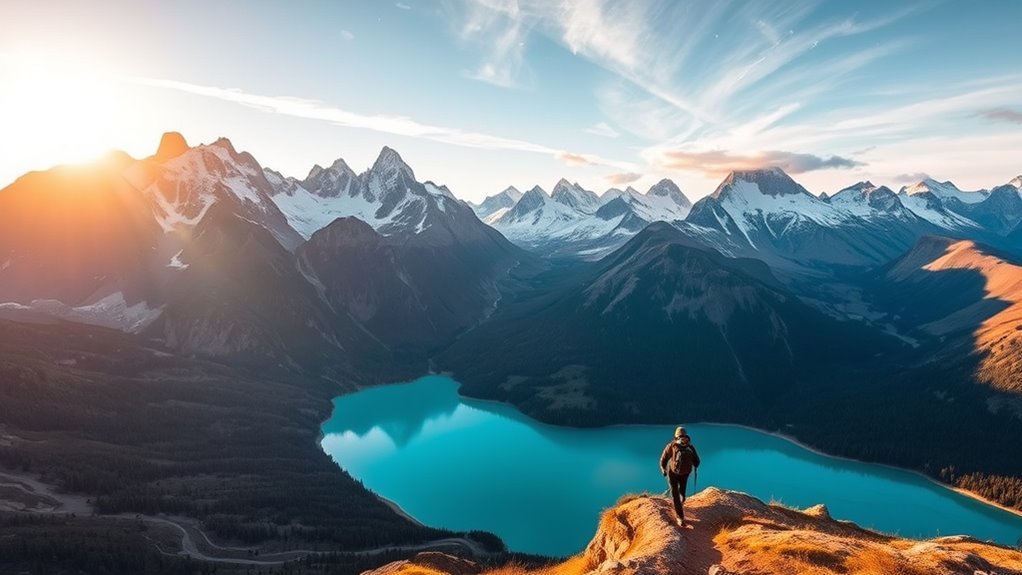
When you think of breathtaking landscapes and pristine nature, Patagonia, Chile, likely comes to mind. This stunning region offers towering mountains, azure lakes, and vast, untouched wilderness. As you plan your visit, consider how your travel choices can support local conservation efforts and minimize your environmental footprint. One way to do this is by opting for eco-friendly accommodations that prioritize sustainability.
Staying at eco-friendly lodges or hotels not only helps reduce your impact on the environment but also allows you to immerse yourself in the local ecosystem. These accommodations often use renewable energy sources, implement water-saving measures, and focus on reducing waste. By choosing to stay at places that embrace sustainable practices, you’ll be supporting a model of tourism that aligns with the conservation of Patagonia’s unique landscapes. Many of these lodges are thoughtfully designed to blend into their surroundings, offering you a chance to experience the beauty of nature without compromising it.
Opt for eco-friendly lodges to reduce your impact and immerse yourself in Patagonia’s stunning natural beauty.
As you explore the region, look for opportunities to engage in local conservation efforts. Many organizations in Patagonia offer volunteer programs where you can contribute your time to important projects, such as reforestation or wildlife monitoring. This hands-on involvement lets you connect with the local community while directly benefiting the environment. Plus, you’ll gain a deeper understanding of the challenges faced by this remarkable region and the efforts being made to protect it.
You might also consider participating in guided tours that emphasize sustainable practices. Many local guides are passionate about preserving the environment and sharing their knowledge of the area’s ecology. By choosing these tours, you’ll not only learn about Patagonia’s natural wonders but also support the communities that rely on eco-tourism for their livelihoods. These experiences can be incredibly enriching, transforming your trip into a meaningful journey. Additionally, opting for eco-friendly accommodations can enhance your experience while supporting local businesses committed to sustainability.
Frequently Asked Questions
What Is the Best Time of Year to Visit Patagonia?
The best time to visit Patagonia is during its peak season, which runs from December to February. During these months, you’ll enjoy the best weather, with warmer temperatures and long daylight hours perfect for exploring. However, be prepared for larger crowds as many travelers flock to the region. If you prefer a quieter experience, consider visiting in spring or fall when the weather’s still pleasant, but the tourist numbers are much lower.
Are There Any Specific Packing Tips for Patagonia’s Weather?
You might think packing light is a good idea, but for Patagonia, layering essentials are a must. Bring thermal base layers, a warm mid-layer, and a waterproof jacket—trust me, the weather changes faster than you can say “hike.” Don’t forget waterproof gear for unexpected rain or snow; it’ll keep you dry and happy. A good pair of hiking boots is essential too. Embrace the layers, and you’ll be ready for anything!
Is It Safe to Travel Alone in Patagonia?
Yes, it’s generally safe to travel alone in Patagonia, but you should take some precautions. Solo travel safety is key; stick to well-traveled areas, and let someone know your itinerary. Hiring a local guide can enhance your experience and provide valuable insights while ensuring your safety. They know the region well and can help you navigate any challenges. So, enjoy your adventure, but stay aware and prepared!
What Are the Local Food Specialties to Try?
When you think of Patagonia, imagine savoring local delicacies that tell the region’s story. You’ve gotta try asado, a traditional dish featuring succulent grilled meats, cooked over an open flame. Don’t miss empanadas, stuffed pastries perfect for a quick bite. For a sweet treat, indulge in alfajores, cookies filled with dulce de leche. Each dish captures the essence of Patagonia, inviting you to explore its rich culinary heritage while enjoying breathtaking landscapes.
How Do I Access Medical Services in Remote Areas?
To access medical services in remote areas, you should first carry an emergency medical kit for minor injuries. For more serious issues, locate remote healthcare facilities like small clinics or community health centers. You can usually find these by asking locals or checking online maps. If you face a serious medical emergency, don’t hesitate to call for help, as some areas may have ambulance services available, even in the most secluded locations.
Conclusion
In conclusion, Patagonia, Chile, isn’t just a breathtaking destination; it’s also a model for sustainable travel. Did you know that over 90% of the region’s land is protected as national parks and reserves? By choosing eco-friendly accommodations and supporting local businesses, you can help preserve this stunning landscape for generations to come. So pack your bags and get ready to explore responsibly—Patagonia’s natural wonders await, and every small step you take makes a big difference!