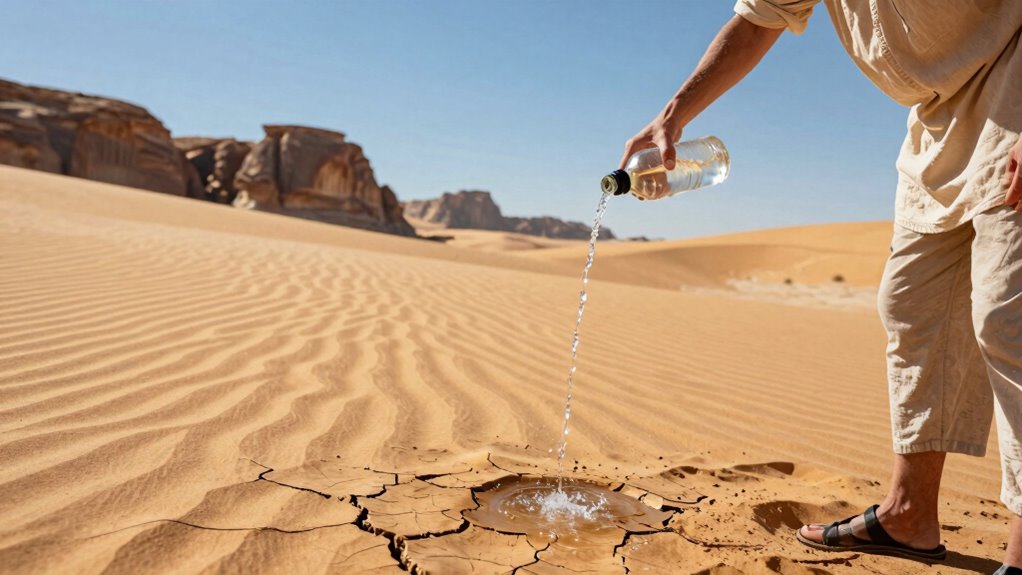

To travel responsibly in deserts, conserve water by reusing and limiting waste, wear sun protection, and stay in shaded areas to avoid heat exhaustion. Respect delicate plants and wildlife by keeping your distance, sticking to established trails, and packing out all trash. Use eco-friendly gear and minimize environmental impact. Staying safe while respecting the environment helps preserve the desert’s fragile ecosystems. Continue exploring the best ways to protect these landscapes during your journey.
Key Takeaways
- Conserve water by reusing and limiting waste, and plan routes around reliable refill points.
- Wear protective clothing, seek shade, and avoid peak heat hours to prevent heat-related illnesses.
- Stay on designated trails, avoid disturbing plants and wildlife, and pack out all trash to minimize environmental impact.
- Use eco-friendly gear and lightweight equipment to reduce ecological footprint and prevent habitat damage.
- Respect local cultures and traditions to preserve desert heritage and promote responsible, sustainable travel.
Why Responsible Desert Travel Matters
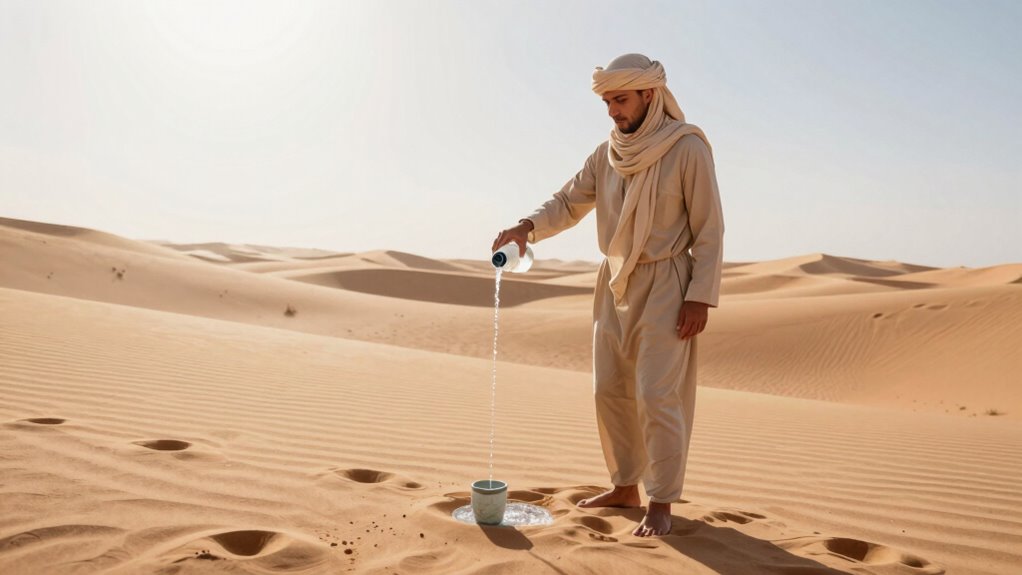
Desert ecosystems are fragile and uniquely adapted to their harsh conditions, so responsible travel is essential to protect them. Your actions can directly impact desert flora, which has evolved to survive extreme heat and scarce water. Trampling plants or removing specimens damages delicate root systems and disrupts the ecosystem. Respectful travel also means honoring local cultures and traditions, ensuring their preservation for future generations. Many desert communities hold deep spiritual and cultural significance, and your consideration helps maintain these practices. By being mindful of your footprint, you help prevent erosion, habitat loss, and cultural erosion. Additionally, understanding the importance of art care and living with cultural artifacts can enhance your appreciation and responsible interaction with these environments. Recognizing the importance of environmental stewardship can guide your behavior to minimize impact and support conservation efforts. Supporting water conservation practices during your travels further helps preserve scarce resources. Incorporating sustainable practices into your journey ensures that the natural beauty and integrity of desert environments are maintained for years to come. Responsible desert travel isn’t just about avoiding harm — it’s about actively supporting the resilience and heritage of these extraordinary environments. Paying attention to ecological balance helps maintain the natural harmony of desert ecosystems and ensures their survival for future generations.
How to Plan Your Desert Trip Safely and Responsibly
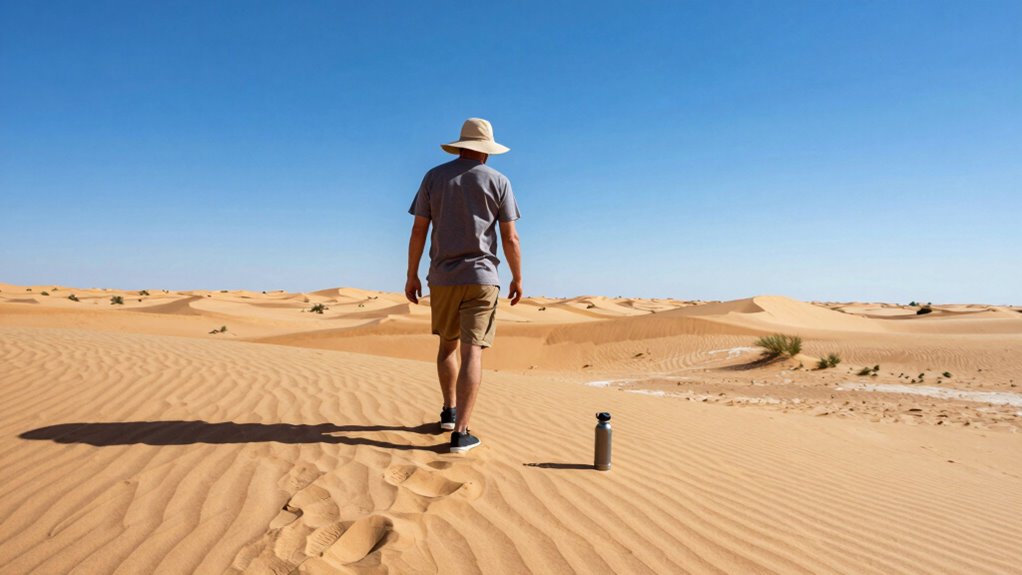
To plan your desert trip safely, you need to prioritize hydration and water management to prevent dehydration. Always take heat safety precautions, like wearing sun protection and knowing how to recognize heat exhaustion. Being prepared guarantees you enjoy your adventure responsibly while staying safe in extreme conditions. Incorporating Free Floating techniques can help you adapt to the environment more effectively. Additionally, understanding environmental conditions can help you anticipate and respond to sudden weather changes, ensuring a safer journey. Regularly monitoring your wiring basics and equipment setup can prevent electrical issues that may arise in remote areas. Staying informed about extreme weather patterns can further enhance your safety and preparedness during your desert exploration. Being aware of AI-driven tools can also assist in navigation and real-time decision-making in unfamiliar terrains.
Hydration and Water Management
Ensuring proper hydration is essential when planning a desert trip, as dehydration can set in quickly and become life-threatening. To stay safe, focus on effective desert water and hydration strategies. First, always carry more water than you think you’ll need; don’t rely solely on refill points. Second, sip small amounts frequently instead of large gulps to maintain hydration. Third, monitor your urine color—pale yellow indicates good hydration. Use lightweight, insulated bottles to keep water cool and prevent evaporation. Prioritize desert water sources wisely, and plan your route around reliable refill spots. Staying ahead of thirst and conserving your water supply are key. Incorporating reliable hydration knowledge can significantly improve your water management skills and safety. Additionally, understanding hydration needs according to activity level and environmental conditions can help prevent dehydration. With these hydration strategies, you’ll better manage water and enjoy your adventure without risking dehydration.
Heat Safety Precautions
Planning your desert trip carefully is essential to staying safe in extreme heat conditions. Make sure to wear ample sun protection, including wide-brimmed hats, sunglasses, and high-SPF sunscreen, to shield yourself from intense rays. Avoid peak heat hours, usually between 10 a.m. and 4 p.m., when the risk of heat exhaustion rises considerably. Carry enough water and take regular breaks in shaded areas to prevent overheating. Pay close attention to your body’s signals—dizziness, weakness, or nausea could indicate heat exhaustion. Always have a plan for emergencies and inform someone about your itinerary. Understanding the importance of heat safety precautions can significantly reduce your risk of heat-related illnesses. Proper hydration and awareness of cultural content can also enhance your experience and safety during the trip. Being aware of weather forecasts and desert terrain conditions can further help you prepare adequately. Additionally, utilizing load-planning tools can help you manage resources efficiently during your journey. For added safety, consider using air fryer tips to prepare nutritious and easy-to-carry meals that require minimal preparation. By following these heat safety precautions, you reduce the risk of heat-related illnesses and enjoy your desert adventure responsibly.
How to Manage Water Use During Your Desert Adventure
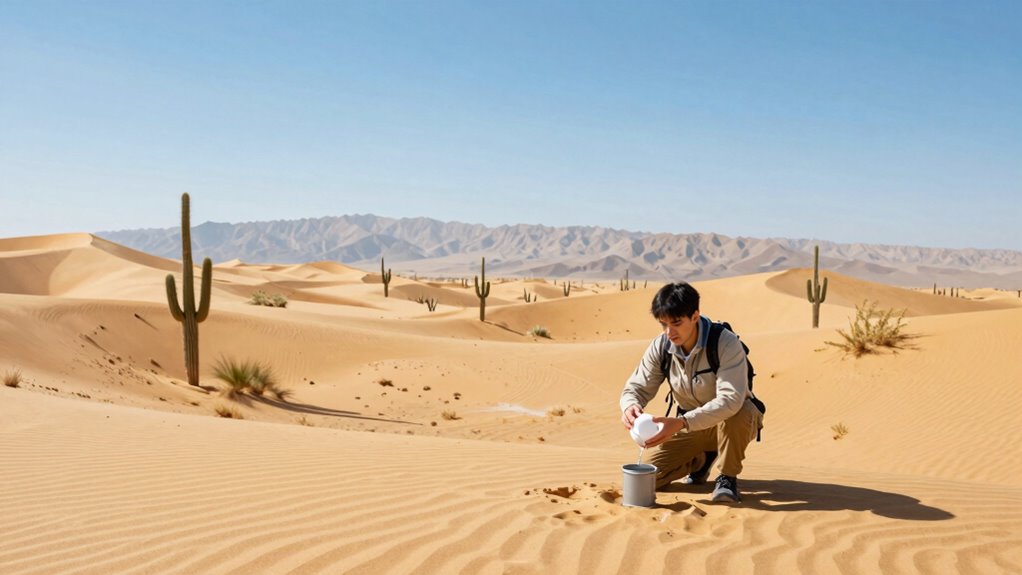
Water is precious in the desert, so you need to conserve every drop. Be mindful of your usage and find ways to reduce waste whenever possible. Using water wisely not only helps you, but also protects this fragile environment for others. Practicing mindful water consumption can be supported by understanding the importance of auditory processing, which underscores the need for careful management of resources in sensitive ecosystems. Developing a systematic approach to water conservation can further ensure that you maintain attention to detail in your efforts, minimizing waste and maximizing sustainability. Incorporating energy efficiency principles into your water use habits can also enhance your overall environmental stewardship, ensuring that every resource is used responsibly. Additionally, being aware of indoor air quality principles can inspire more thoughtful habits that extend to water use, promoting overall environmental health. Recognizing the interconnectedness of ecosystem health and resource conservation can help you make more informed decisions during your desert adventure.
Conserve Every Drop
When exploring the desert, every drop of water counts, so managing your usage carefully is essential. Respect the environment by observing desert flora without disturbing it, as many plants have adapted to survive with minimal water. To conserve water effectively, consider these tips:
- Use water sparingly when cleaning or rinsing, avoiding unnecessary waste.
- Limit your bathroom breaks and reuse water when possible.
- Be culturally sensitive—some desert communities view water as sacred, so honor local practices and avoid taking more than needed.
- If you plan to use any equipment like electric bikes, ensure they are energy-efficient to reduce your overall environmental impact.
Use Water Wisely
Managing your water use carefully during your desert adventure helps safeguard this fragile environment and guarantees you have enough for the journey. Use water sparingly, avoiding unnecessary rinsing or washing. Respect desert flora by sticking to established paths, minimizing disturbance that can lead to increased water needs. Always carry a refillable bottle and use water efficiently. Remember, conserving water shows cultural respect for local communities that depend on limited resources. To help, consider this quick guide:
| Tip | Explanation |
|---|---|
| Use a small amount of water | Prevent waste and stretch supplies |
| Reuse water when possible | For rinsing or cleaning without excess |
| Avoid unnecessary washing | Keep water use minimal |
| Respect local customs | Follow community practices on water conservation |
| Educate yourself | Learn about desert flora and water scarcity issues |
Tips for Staying Cool and Safe in Extreme Desert Heat
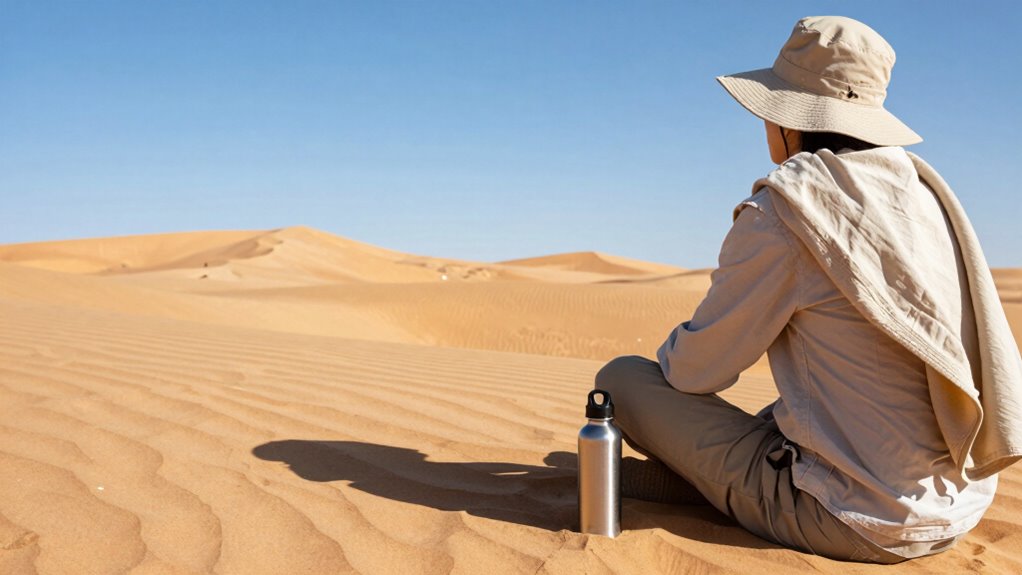
Extreme desert heat can quickly become dangerous if you’re not prepared, but by taking simple precautions, you can stay cool and safe. Protect yourself by wearing lightweight, light-colored clothing and a wide-brimmed hat to shield from the sun. Stay in shaded areas whenever possible, respecting the desert flora that offers natural shelter. Drink plenty of water, and remember that cultural heritage sites often have shaded rest spots—use them to cool down. To stay safe:
- Limit outdoor activity during peak heat hours, typically midday.
- Use a sunblock with high SPF to prevent sunburns.
- Carry a hydration pack or extra water to stay consistently hydrated.
These steps help you avoid heat exhaustion while honoring the desert’s natural and cultural landscape.
How to Respect Desert Plants and Wildlife

Respecting desert plants and wildlife is essential to preserving the fragile ecosystem. You can observe desert plants without damaging them by understanding their unique adaptations, like thick skins or deep roots, which help them survive harsh conditions. Avoid stepping on or touching these delicate plants, as even small disturbances can harm their ability to thrive. When wildlife spotting, use proper observation techniques: approach quietly, keep your distance, and move slowly to avoid startling animals. Respect their space, and never feed or try to attract them, as this can disrupt natural behaviors. Remember, desert creatures have adapted to survive in extreme environments; your role is to admire them from afar and ensure your presence doesn’t interfere with their survival.
How to Leave No Trace and Minimize Your Impact
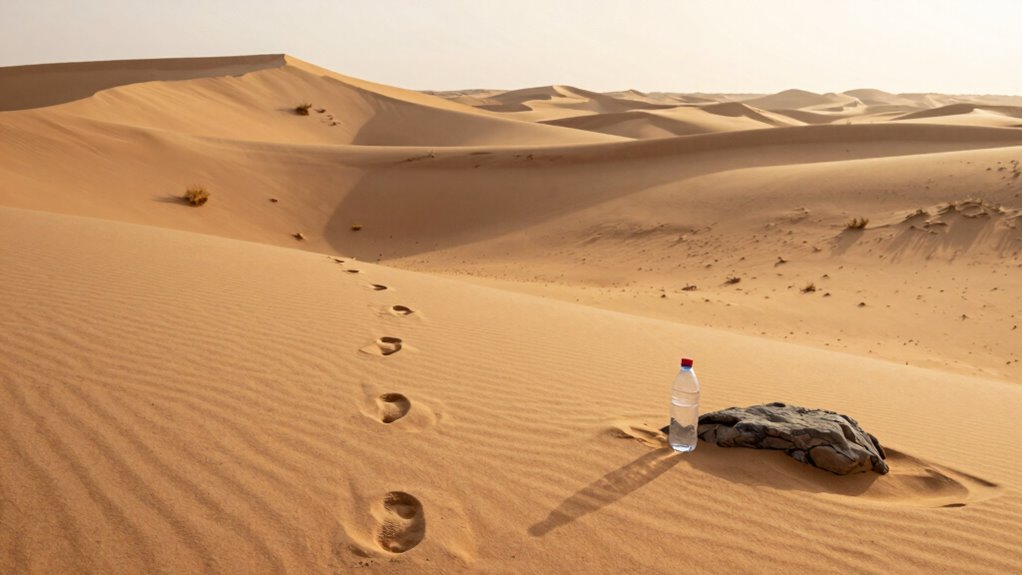
To leave no trace and minimize your impact while exploring the desert, you need to be intentional with your actions. Practice Leave No Trace principles by following these steps:
- Stick to established trails to avoid damaging fragile vegetation.
- Pack out all trash, including biodegradable waste, to prevent pollution.
- Respect wildlife by observing quietly and avoiding feeding or disrupting animals.
How to Choose Eco-Friendly Gear for Desert Travel
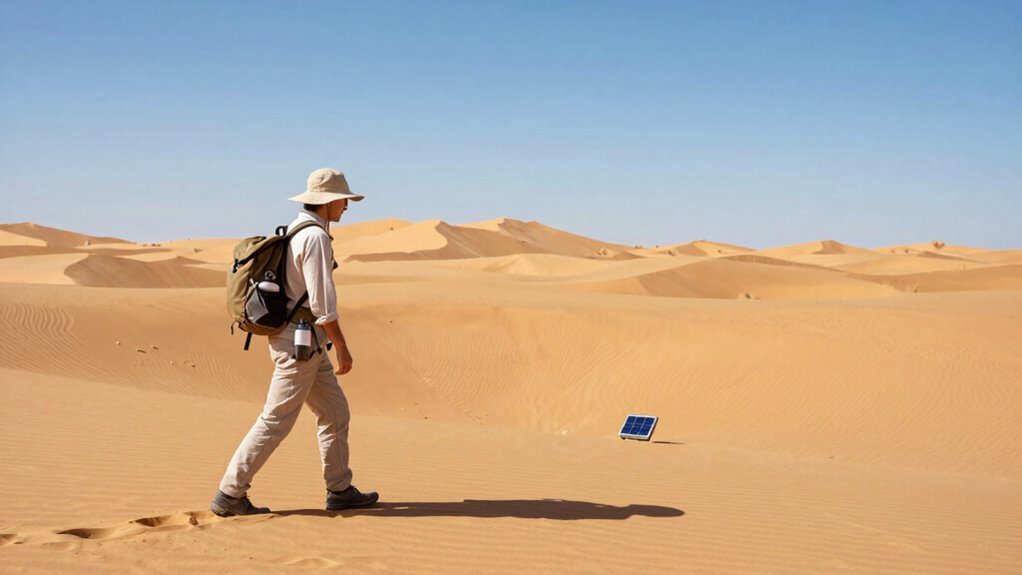
Choosing eco-friendly gear is a vital step in ensuring your desert adventures stay sustainable. When selecting gear for desert travel, prioritize items made from eco friendly materials that minimize environmental impact. Look for products with recycled, biodegradable, or sustainably sourced components. Lightweight, durable gear reduces your carbon footprint by requiring less energy to transport and replace. Opt for brands committed to ethical manufacturing practices and environmental responsibility. Avoid single-use plastics and gear that harm local ecosystems. Instead, choose multi-purpose tools and versatile clothing that can adapt to various conditions. By making mindful choices, you help preserve the desert’s delicate environment while enjoying your journey. Eco friendly gear not only benefits the planet but also enhances your experience by aligning your values with responsible travel.
How to Safely Navigate Desert Terrain Without Causing Damage
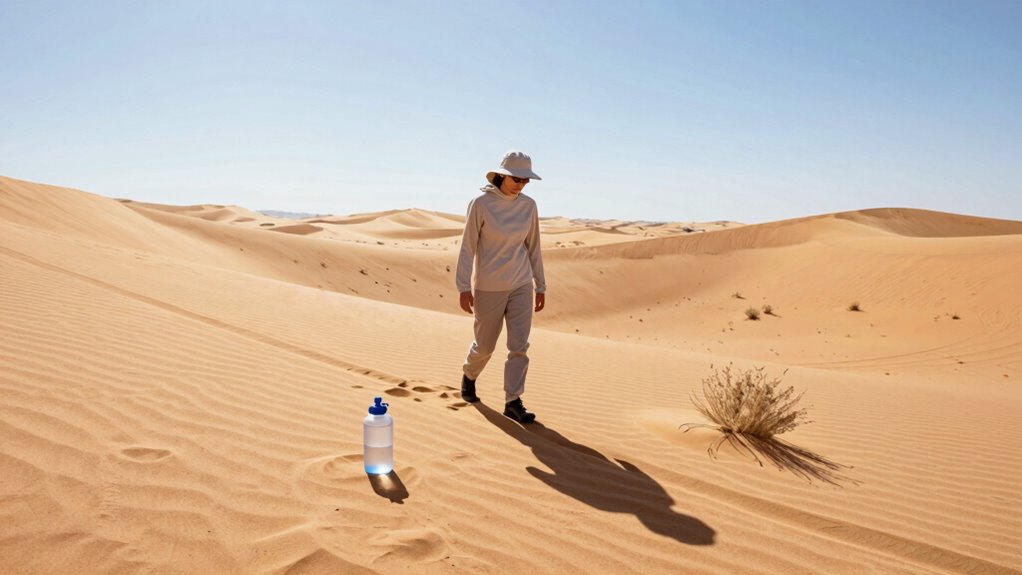
Traversing desert terrain safely requires careful planning and awareness to prevent environmental damage. To protect delicate desert flora and avoid disrupting sand dune formation, follow these tips:
- Stick to designated trails to minimize trampling on native plants and prevent destabilizing sand dunes.
- Avoid driving over dunes or sensitive areas, which can cause erosion and alter natural sand patterns.
- Be mindful of your footprint; walk softly and stay on firm ground to prevent disturbing the natural formation of sand dunes and damaging fragile vegetation.
What You Need to Know About Desert Ecosystems and Regulations
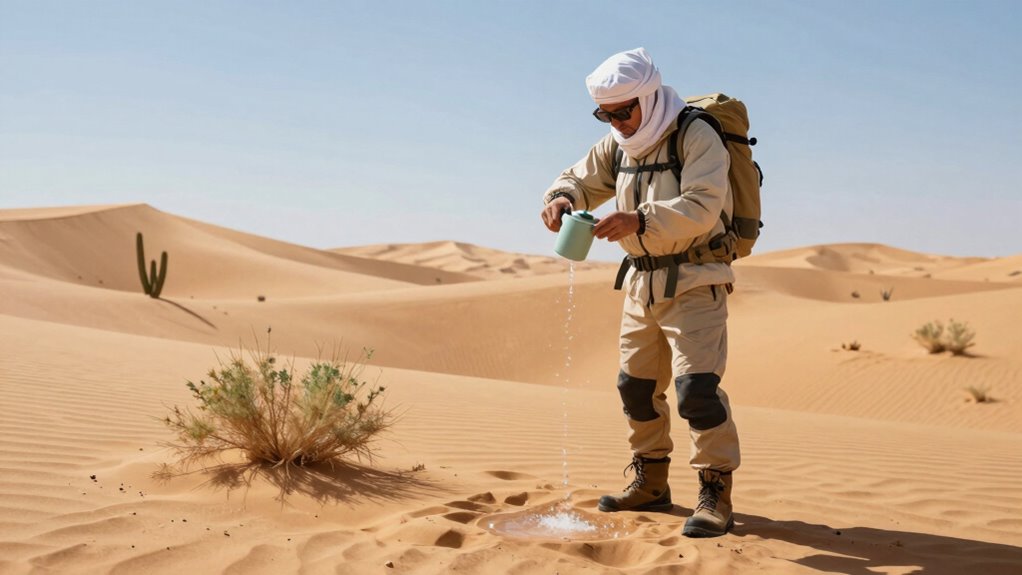
Understanding desert ecosystems is essential before venturing into these fragile environments, as they are highly sensitive to human activities. These ecosystems rely on delicate balances involving desert flora and desert fauna, which have adapted uniquely to extreme conditions. Regulations protect these species and their habitats, so you must respect local laws and guidelines. Avoid disturbing plants or animals, and stay on designated trails to minimize impact. Many regions require permits for camping or travel, so check regulations beforehand. Learning about the specific flora and fauna helps you appreciate their importance and the need for conservation. By following rules and respecting these ecosystems, you contribute to their preservation, ensuring future travelers can also experience their beauty without causing damage.
How to Inspire Others to Travel Responsibly in Deserts
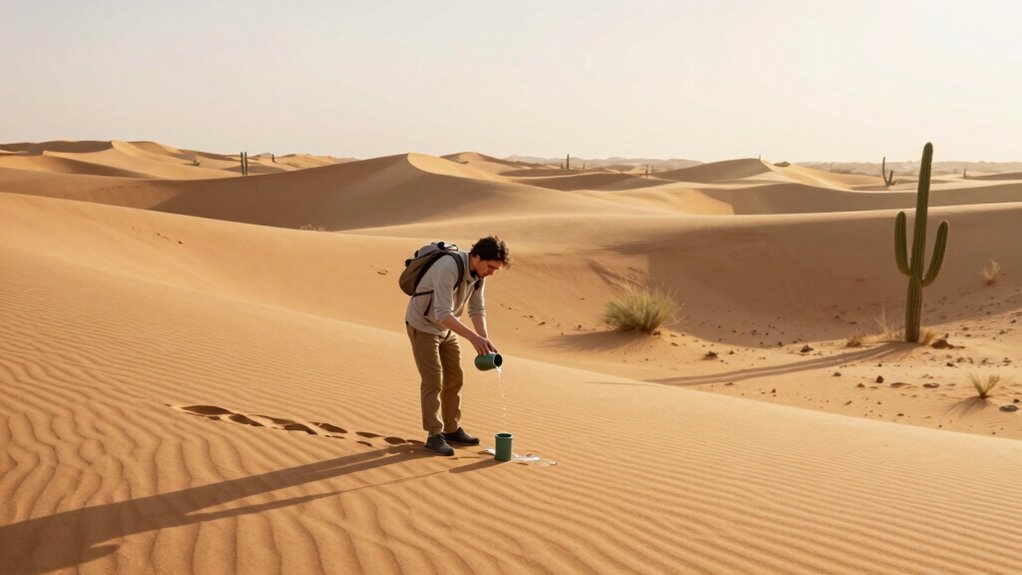
Inspirationally encouraging others to travel responsibly in deserts starts with leading by example. When you show respect for desert flora preservation and cultural sensitivity, others notice and follow suit. To inspire responsible travel:
- Share stories of how your actions protect fragile ecosystems and highlight the importance of preserving desert flora.
- Respect local traditions and customs, demonstrating cultural sensitivity that encourages others to do the same.
- Practice Leave No Trace principles, setting a standard for minimal impact on the environment and cultural sites.
Frequently Asked Questions
How Can I Identify Eco-Friendly and Sustainable Desert Travel Operators?
To identify eco-friendly and sustainable desert travel operators, look for those with eco certification programs and sustainable travel certifications. These credentials indicate they meet environmental, social, and cultural standards. Research their practices, such as water conservation, waste management, and respect for local communities. Read reviews and ask questions about their sustainability efforts. Choosing operators with recognized certifications guarantees you support responsible tourism that minimizes environmental impact.
Are There Specific Permits Required for Responsible Desert Exploration?
Think of your desert adventure as steering through a delicate ecosystem. Yes, you’ll need specific permits to explore responsibly, which guarantees you’re respecting local laws and protecting the environment. These permit requirements vary by region and activity, so check with local authorities or guides to make certain of legal compliance. Securing the right permits helps you travel ethically and keeps the desert’s fragile beauty intact for future explorers.
What Are the Signs of Desert Ecosystem Degradation to Watch For?
You should watch for signs like increased soil erosion, which shows the land’s losing stability, and the spread of invasive species that threaten native plants. If you notice bare patches or new, unfamiliar plants overtaking native species, it indicates ecosystem degradation. Stay alert for these signs, and always respect the environment by minimizing your impact, avoiding trampling vegetation, and not disturbing wildlife, to help preserve the desert’s delicate balance.
How Does Desert Tourism Impact Local Indigenous Communities?
You might not realize it, but desert tourism can drastically reshape indigenous communities. It impacts cultural preservation, risking traditions fading like whispers in the wind. Yet, it also offers opportunities for community empowerment, providing economic benefits and a platform to share their rich heritage. By supporting responsible tourism, you help guarantee these communities thrive and their culture remains vibrant, not just a fleeting shadow in the desert breeze.
What Are the Long-Term Effects of Tourism on Desert Flora and Fauna?
You may notice that tourism leaves a lasting tourism footprint on the desert ecosystem, affecting flora and fauna over time. Increased foot traffic, vehicle use, and pollution can lead to habitat destruction, loss of native plants, and disturbance to animal behaviors. These long-term effects threaten the desert’s delicate balance, making it vital to adopt sustainable travel practices that minimize your impact and help preserve this fragile environment for future generations.
Conclusion
So, next time you venture into the desert, remember—your footprints and water bottles can leave lasting scars. Ironically, the more you try to escape the chaos, the more you might unintentionally harm this fragile landscape. But if you stay respectful, cautious, and eco-conscious, you’ll not only conserve its beauty but also ensure future travelers get to experience this breathtaking silence. After all, isn’t preserving paradise worth a little effort?