
To enjoy a sustainable beach trip without harming the environment, plan ahead by choosing eco-friendly gear, reusable containers, and biodegradable products. Respect wildlife and stay on designated paths to protect habitats. Dispose of trash properly, support local conservation efforts, and avoid disturbing marine life. By making mindful choices and practicing responsible habits, you can help preserve beaches for future generations. Keep exploring to learn practical tips for a truly eco-friendly beach experience.
Key Takeaways
- Pack reusable, eco-friendly gear and biodegradable products to minimize waste and pollution during your trip.
- Respect wildlife and nesting sites by maintaining distance and staying on designated paths.
- Participate in beach cleanups and dispose of trash properly to protect marine ecosystems.
- Support sustainable tourism by choosing eco-conscious accommodations and responsible fishing practices.
- Educate yourself on conservation efforts and support local initiatives to preserve coastal habitats.
Why Protecting Our Beaches Matters
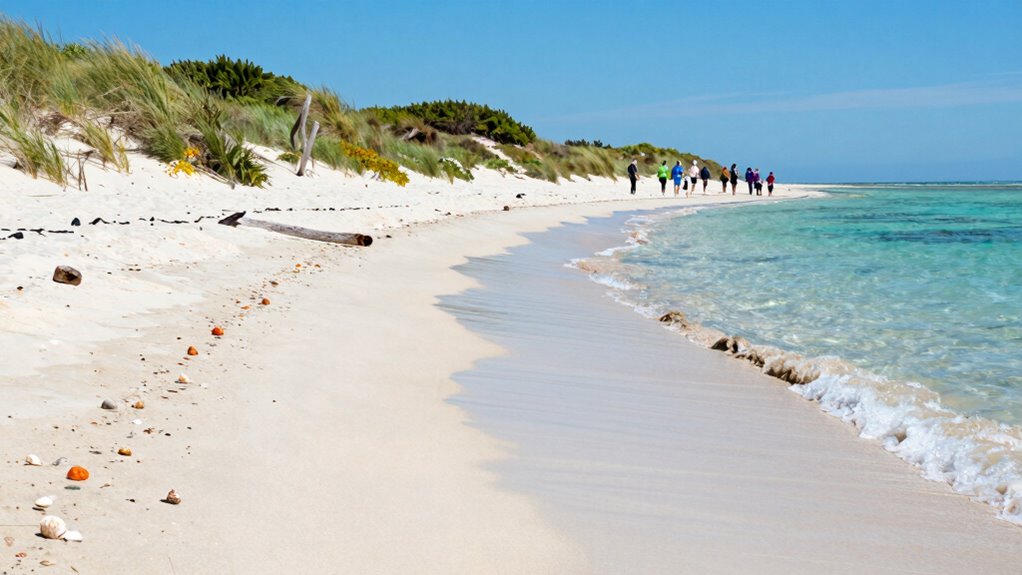
Protecting our beaches is vital because they provide essential habitats for wildlife and support local communities. When beaches face erosion, natural buffers shrink, threatening coastal ecosystems and increasing vulnerability to storms. Human activities accelerate beach erosion, making it harder for plants and animals to thrive. Marine pollution, from plastic waste to chemicals, contaminates water and harms marine life, disrupting delicate food chains. These issues don’t just affect wildlife; they also impact local economies that rely on tourism and fishing. By safeguarding beaches, you help preserve biodiversity and ensure that ecosystems remain resilient. Taking steps to reduce pollution and support erosion prevention measures keeps beaches healthy and accessible for future generations. Understanding beach erosion helps us make informed decisions to protect these vital areas. Additionally, implementing erosion control strategies can significantly reduce the loss of shoreline and habitat. Recognizing the importance of coastal resilience can help communities develop more effective protection plans. Protecting these areas benefits everyone, both now and in the long run.
How Beach Tourism Affects the Environment and What You Can Do
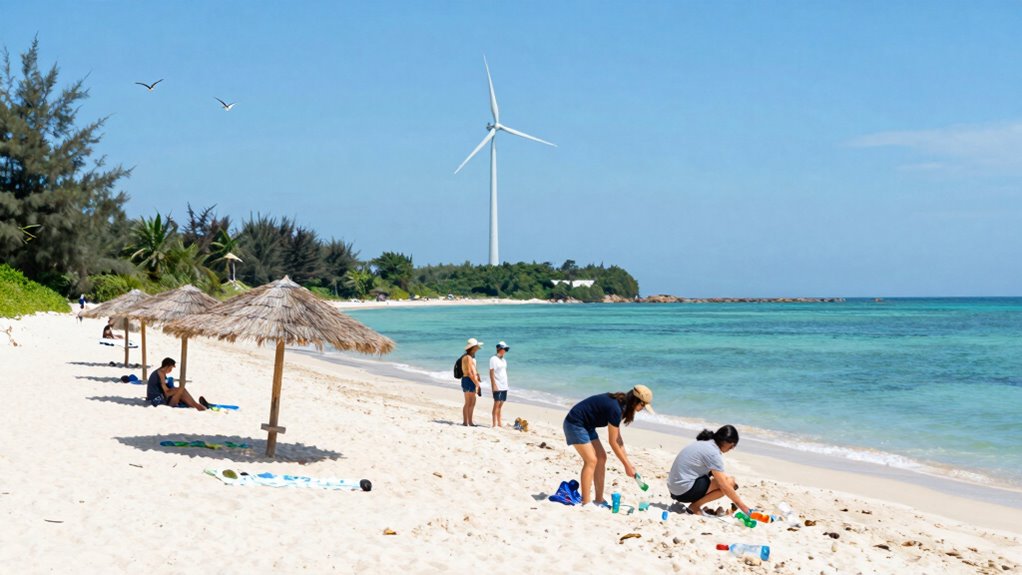
Beach tourism brings economic benefits and enjoyment, but it can also put significant pressure on coastal environments. Your actions impact beach pollution levels and marine conservation efforts. Trash left behind, plastic waste, and careless activities harm marine life and degrade natural beauty. To minimize your impact, stick to designated paths, avoid single-use plastics, and dispose of waste properly. Supporting local conservation initiatives helps protect fragile ecosystems. Additionally, understanding the importance of Gold IRA Rollovers can contribute to sustainable financial planning that supports environmental causes. Here’s a quick guide:
| Action for Sustainable Beach Tourism | Impact on Environment |
|---|---|
| Reduce plastic use | Less beach pollution |
| Respect local wildlife | Protects marine life |
| Follow park rules | Preserves natural habitats |
| Participate in cleanup events | Improves beach health |
Engaging in sustainable tourism practices can further enhance conservation efforts during your trip. Incorporating eco-friendly transportation options, like e-bikes and e-scooters, can also reduce your carbon footprint while exploring the coast. Using reusable gear helps decrease waste and supports overall environmental health. Recognizing the importance of marine conservation can inspire more mindful behaviors that ensure the longevity of coastal ecosystems.
Planning a Sustainable Beach Trip: Tips to Minimize Impact

When planning your beach trip, focus on eco-friendly packing by bringing reusable items and avoiding single-use plastics. Respect local ecosystems by staying on designated paths and refraining from disturbing wildlife. These simple steps help guarantee your visit leaves a minimal environmental footprint. Additionally, consider using appropriate cleaning products to prevent introducing harmful chemicals into the natural environment. Choosing eco-conscious travel options can further reduce your carbon footprint and support sustainable tourism practices. Incorporating air quality awareness into your planning can also enhance your overall experience and ensure a healthier visit. Being mindful of native plant preservation can help protect the local flora and fauna during your trip, especially considering the importance of water filtration systems in maintaining healthy ecosystems.
Eco-Friendly Packing Tips
To minimize your environmental impact, focus on packing lightweight and reusable items for your beach trip. Bring eco-friendly essentials like a reusable water bottle, utensils, and a cloth bag to reduce waste. Choose sustainable seafood options if you plan to dine out, supporting responsible fishing practices. Pack biodegradable sunscreen and reef-safe products to protect marine life. Include a small beach cleanup kit—gloves and trash bags—to help keep the coast pristine during your visit. Avoid single-use plastics and excessive packaging. Opt for durable, multi-purpose gear to lessen your footprint. Additionally, educating yourself about environmental best practices can enhance your efforts to preserve natural habitats. Incorporating ergonomic principles into your packing and activity choices can also improve your comfort and overall experience. Being mindful of sustainable travel options can further reduce your carbon footprint. Using eco-friendly materials and reusable products helps maintain the natural beauty of the coast for future visitors. Making informed choices about coastal conservation can significantly impact the preservation of marine ecosystems. By making these thoughtful choices, you contribute to preserving the environment, ensuring the coast stays beautiful for others to enjoy. Every small effort counts toward a more sustainable and enjoyable beach experience.
Respect Local Ecosystems
Understanding and respecting local ecosystems is essential for minimizing your environmental impact during a beach trip. Avoid contributing to marine debris by disposing of trash properly and participating in cleanup efforts if possible. Be mindful of fragile habitats, such as dunes and tide pools, which are crucial for coastal health. Avoid walking on or disturbing these areas to prevent increasing coastal erosion, which can weaken the shoreline and harm wildlife. When you stick to designated paths and designated swimming zones, you help protect nesting sites and delicate ecosystems. Refraining from collecting natural objects like shells or rocks preserves the environment’s natural balance. Additionally, educating yourself about coastal conservation practices can further enhance your positive impact. Supporting local conservation initiatives can help preserve biodiversity hotspots and ensure the coast remains vibrant and healthy for future generations. Engaging in responsible environmental practices not only benefits the ecosystem but also enriches your overall experience. By respecting these ecosystems, you help maintain the coast’s beauty and biodiversity for future visitors and local communities alike. Incorporating sustainable tourism principles into your plans can promote long-term ecological health and community well-being.
Choosing Eco-Friendly Gear and Supplies for Your Beach Day

When selecting gear and supplies for your beach day, prioritize items made from eco-friendly materials to reduce environmental impact. Opt for reusable options like water bottles and bags, and choose biodegradable products whenever possible. These choices help protect the beach environment and support sustainable practices. Additionally, look for products that are certified by reputable environmental standards to ensure they meet eco-conscious manufacturing criteria sustainable practices.
Eco-Friendly Materials Selection
Choosing eco-friendly gear and supplies for your beach day not only reduces your environmental impact but also helps protect the delicate coastal ecosystems. Focus on selecting products made from sustainable materials like bamboo, recycled plastics, and organic cotton. These materials are designed with eco-conscious design principles, minimizing harm to the environment during production and disposal. Look for items labeled as biodegradable or made from renewable resources, ensuring they break down naturally without leaving harmful residues. By choosing gear crafted from sustainable materials, you support responsible manufacturing practices that prioritize the planet’s health. This mindful selection helps reduce waste, conserves resources, and promotes a more sustainable beach experience for everyone. Your choices make a difference in preserving the beauty of our coastlines.
Reusable and Biodegradable Options
Opting for reusable and biodegradable gear guarantees your beach trip leaves minimal environmental impact. By choosing eco-friendly supplies, you help reduce waste and pollution. Here are four ways to make your beach day greener:
- Use biodegradable utensils instead of single-use plastic ones to prevent plastic pollution.
- Bring reusable water bottles to cut down on disposable plastic bottles.
- Pack cloth napkins or towels instead of paper products.
- Opt for reusable containers for snacks and leftovers, avoiding unnecessary waste.
These small changes make a big difference. Biodegradable utensils break down naturally, while reusable water bottles can be refilled throughout the day. Staying mindful of your gear ensures your beach visit is fun and eco-conscious.
Practicing Responsible Waste Disposal and Recycling

Practicing responsible waste disposal and recycling is essential to protect the beauty of the beach and preserve its ecosystem. By properly disposing of trash and recycling whenever possible, you help reduce plastic pollution and support waste reduction efforts. Always use designated bins for recyclables and avoid leaving waste behind. To make it easier, consider this simple guide:
| Do’s | Don’ts |
|---|---|
| Separate recyclables from waste | Discard plastic in regular trash |
| Pack out all trash | Leave trash on the beach |
| Use reusable containers | Burn or bury waste |
Following these steps minimizes environmental harm and keeps beaches pristine for everyone to enjoy. Responsible waste disposal isn’t just good manners; it’s a crucial part of sustainable travel.
Respecting Wildlife and Natural Habitats at the Beach
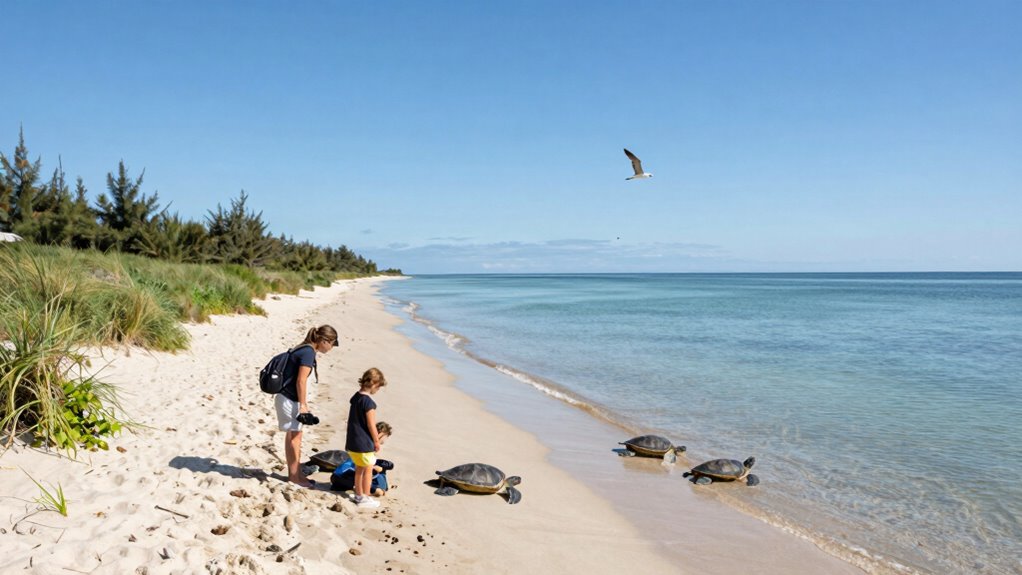
While enjoying the beach, it’s important to remember that your actions can directly impact the wildlife and natural habitats around you. To protect marine mammals and nesting birds, follow these tips:
- Keep your distance from animals, avoiding close encounters with marine mammals or nesting sites.
- Stay on designated paths to prevent trampling sensitive habitats and disturbing nesting birds.
- Avoid feeding wildlife, which can alter their natural behaviors and diets.
- Dispose of trash properly to prevent animals from ingesting harmful debris.
Supporting Local Conservation Initiatives and Community Efforts

Supporting local conservation initiatives and community efforts amplifies your positive impact beyond individual actions at the beach. By participating in or donating to coral reef preservation programs, you directly contribute to protecting essential marine ecosystems. Community led conservation projects often involve local residents and visitors working together to restore habitats, remove debris, and promote sustainable practices. Your support helps guarantee these initiatives have the resources and visibility needed to succeed. When you engage with local organizations, you foster a sense of shared responsibility and empower communities to take ownership of their natural environment. This collaborative approach not only preserves the coast’s beauty but also sustains the livelihoods and well-being of those who depend on the beach’s health.
Teaching Others How to Enjoy the Beach Responsibly
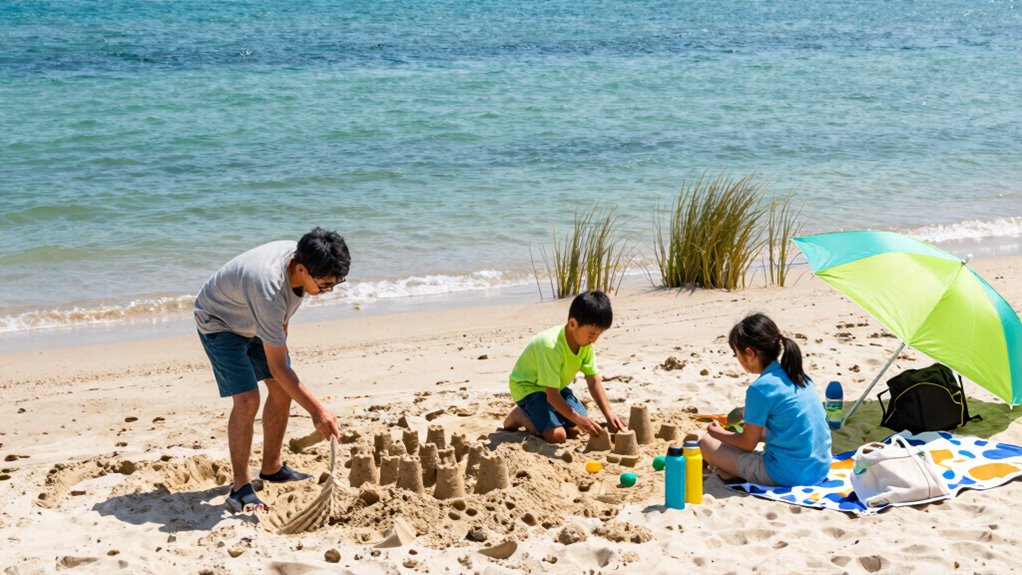
Teaching others how to enjoy the beach responsibly is essential for preserving its natural beauty and resources. You can lead by example and share simple tips. First, promote good beach etiquette, like keeping noise levels down and disposing of trash properly. Second, emphasize sunscreen safety: apply broad-spectrum sunscreen generously and reapply regularly to protect yourself and marine life. Third, encourage others to respect wildlife and avoid disturbing habitats. Fourth, remind everyone to stay on designated paths to prevent erosion and damage. By sharing these practices, you help create a positive environment where everyone can enjoy the coast without harm. Teaching responsible habits guarantees the beach remains a beautiful, sustainable space for future generations.
Frequently Asked Questions
How Can I Identify Eco-Friendly Beach Products and Brands?
You can identify eco-friendly beach products by checking for eco labeling standards, which guarantee the items meet environmental criteria. Look for brands that prioritize sustainable packaging, such as biodegradable or recyclable materials. Read product descriptions carefully, and research brands’ sustainability commitments online. This way, you’ll choose products that minimize environmental impact, helping you enjoy your beach trip responsibly and protect the coast for future generations.
What Are the Most Environmentally Harmful Beach Activities to Avoid?
You should avoid activities that contribute to marine debris, like careless littering or using single-use plastics, which harm marine life. Also, steer clear of activities that cause coastal erosion, such as driving on dunes or removing natural vegetation. These actions damage ecosystems and increase debris in the water. Instead, engage in eco-friendly practices like walking or kayaking, and always pack out what you bring to help protect the coast.
How Can I Reduce My Carbon Footprint When Traveling to the Coast?
Did you know that transportation accounts for nearly 25% of global carbon emissions? To reduce your carbon footprint when traveling to the coast, opt for eco-friendly travel options like trains or carpooling. Additionally, consider carbon offsetting by supporting projects that reduce emissions elsewhere. These small changes make a big difference, helping you enjoy the beach responsibly while protecting the environment for future generations.
Are There Specific Times of Year Best for Sustainable Beach Visits?
You should visit the beach during off-peak seasons, typically spring or fall, to minimize environmental impact and avoid crowds. Seasonal considerations and weather patterns play a big role—spring often offers mild weather and fewer visitors, while fall can bring calmer seas. Traveling during these times helps reduce strain on local resources and ecosystems, making your trip more sustainable and enjoyable for everyone.
How Can I Get Involved in Local Beach Conservation Projects?
Imagine you’re planting seeds in a beach garden. To get involved, look for local beach cleanup initiatives and volunteering opportunities at community centers or environmental groups. Your efforts help restore the shoreline’s beauty and health. Join organized events or start your own. By actively participating, you become a caretaker, ensuring the coast stays vibrant and resilient for everyone to enjoy. Your actions make a lasting impact on the shoreline’s future.
Conclusion
So, next time you hit the beach, remember—your eco-friendly habits might just be the only thing standing between a pristine shoreline and a sea of plastic. Ironically, by doing less harm, you’re helping preserve the very paradise you’re enthusiastic to enjoy. With a little effort, you can splash, relax, and leave nothing behind—except footprints in the sand, not trash. After all, isn’t it worth protecting the coast for future beach lovers?