TL;DR

Get travel and outdoor gear delivered free — and shop member deals
- Fast, free delivery on millions of items
- Access to Prime Big Deal Days deals on October 6–7
- Prime Video, Amazon Music and more included
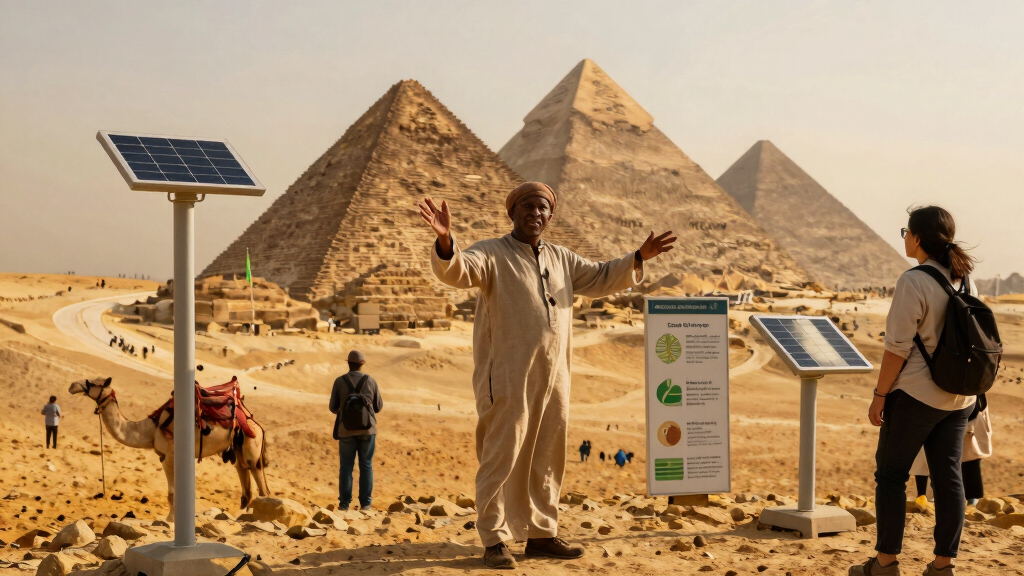
Egypt has announced the end of camel rides in Giza as part of a shift toward sustainable tourism. The move aims to protect cultural heritage and reduce environmental impact, but implementation details are still unfolding.
Egypt has officially discontinued camel rides in the Giza Plateau as part of a broader initiative to promote sustainable tourism and protect its heritage sites. The decision, announced by the Egyptian Ministry of Tourism and Antiquities, aims to reduce environmental degradation and improve visitor experience, marking a significant shift in the country’s tourism policy.
The Egyptian government announced the ban on camel rides in Giza on March 15, 2024. This move is part of an effort to modernize tourism practices and address concerns over animal welfare and environmental impact. Authorities have stated that the decision was made after consultations with conservation experts and tourism stakeholders. The ban is expected to be implemented gradually over the coming months, with alternative activities being promoted for visitors, such as horse-drawn carriages and virtual reality tours of the pyramids. Officials emphasize that the initiative aligns with Egypt’s commitment to sustainable development and heritage preservation.Local tourism operators and animal rights groups have largely supported the move, citing concerns over the treatment of camels and the ecological footprint of traditional rides. However, some industry representatives have expressed concerns about the economic impact on those reliant on camel ride tourism. The government has indicated plans to support affected workers through retraining programs and new employment opportunities in eco-tourism and cultural sectors.
Implications for Egypt’s Tourism and Heritage Preservation
This development marks a major shift in Egypt’s approach to tourism, emphasizing sustainability and animal welfare. It reflects a broader trend among countries to modernize tourism practices, reduce environmental impact, and protect cultural heritage sites. The move could influence similar policies elsewhere and reshape visitor experiences at Giza, potentially attracting a new segment of eco-conscious travelers. However, it also raises questions about how the industry will adapt economically and logistically in the short term.
virtual reality tour of Giza pyramids
As an affiliate, we earn on qualifying purchases.
As an affiliate, we earn on qualifying purchases.
Background of Tourism Practices in Giza
For decades, camel rides have been a staple activity for tourists visiting the Giza Pyramids, offering a traditional and culturally immersive experience. Critics have raised concerns about the treatment of camels and the environmental consequences of mass tourism. Previous efforts to regulate or improve animal welfare standards have met with limited success, leading to increased calls for bans or reforms. Egypt’s tourism sector has faced challenges from political instability and global economic shifts, prompting a reassessment of sustainable practices. The recent decision follows similar initiatives in other countries aiming to balance tourism growth with conservation.
“This decision underscores our commitment to sustainable tourism and the protection of our cultural and natural heritage.”
— Egyptian Minister of Tourism and Antiquities
Unresolved Questions About Implementation and Impact
It is not yet clear how quickly the ban will be enforced across all tourist sites in Giza or how existing operators will be compensated or transitioned. Details about alternative activities and support programs for workers are still emerging. Additionally, the long-term economic impact on local communities and the potential effects on tourism numbers remain uncertain, as the policy is still being rolled out and evaluated.
Next Steps in Policy Rollout and Industry Adjustment
Authorities plan to implement the ban gradually over the next few months, with official guidelines expected soon. Tourism operators are preparing to shift toward alternative activities, and the government has announced potential retraining programs for affected workers. Further assessments will likely follow to measure the environmental and economic effects of the new policy, with updates expected in the coming quarter.
Key Questions
Why did Egypt decide to end camel rides in Giza?
The decision was made to promote sustainable tourism, address animal welfare concerns, and reduce environmental impact, as announced by the Egyptian Ministry of Tourism and Antiquities.
How will this affect tourists visiting Giza?
Tourists will still be able to visit the pyramids and other sites, with alternative activities such as horse-drawn carriages and virtual tours being promoted as replacements for camel rides.
What support is planned for workers affected by the ban?
The government has indicated plans to provide retraining programs and new employment opportunities in eco-tourism and cultural sectors, though specific details are still developing.
Are there any environmental benefits expected from this policy?
Yes, reducing the ecological footprint associated with traditional camel rides and promoting eco-friendly tourism practices are expected to benefit the environment and heritage sites.
Will the ban be permanent or temporary?
It is currently a permanent policy aimed at long-term sustainability, with ongoing evaluations to monitor its impact and effectiveness.
Source: google-trends
Fall Picks
fall essentials
As an affiliate, we earn on qualifying purchases.