To verify renewable energy claims quickly, start by evaluating the source’s credibility—look for reputable certifications like LEED or ISO and check their transparency, funding, and third-party audits. Cross-reference energy mix data with official industry reports from agencies like IRENA or the U.S. EIA. Beware of vague language and overhyped claims; technical evaluations and expert input can uncover hidden biases. Continuing further ensures you’ll get insights on spotting red flags and accessing reliable verification tools.
Key Takeaways
- Look for specific, verifiable details about renewable sources and certifications backing the claim.
- Cross-reference claims with reputable energy agencies or independent reports like EIA or IRENA.
- Check for recognized certifications (LEED, UL, ISO) and third-party audits for credibility.
- Be cautious of vague language or buzzwords; verify the context and supporting data.
- Consult experts or technical assessments for complex or impactful claims to ensure accuracy.
What Are Renewable Energy Claims and How Can I Recognize Them?
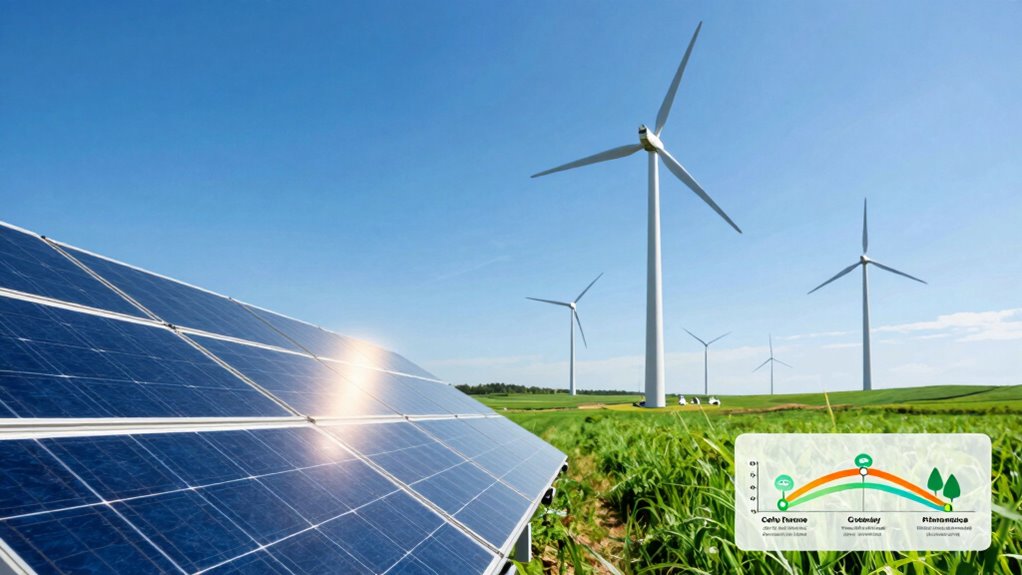
Renewable energy claims refer to statements made by companies or organizations asserting that their products, services, or practices are environmentally friendly because they utilize renewable resources. To recognize these claims, pay attention to the renewable terminology and claim language used. Words like “green,” “sustainable,” or “clean” often appear, but they can be misleading if not backed by facts. Look for specific details or certifications that support the claim, rather than vague assertions. Clear claim language should specify the type of renewable energy involved, such as solar, wind, or hydro, and explain how it’s used. Being aware of common language patterns helps you distinguish genuine renewable claims from marketing tactics that aim to create a false impression of environmental friendliness. media literacy is essential for evaluating the credibility of these claims and avoiding misinformation. Additionally, understanding the role of certifications and verified data can help ensure the validity of renewable energy assertions. Recognizing how technological accuracy impacts the credibility of these claims is also important for making informed decisions. Developing an understanding of how claim language can influence perceptions allows consumers to critically assess the authenticity of renewable energy statements. Being familiar with these concepts helps you develop better critical thinking skills when reviewing environmental claims.
How Do I Verify the Credibility of the Source Making the Claim?
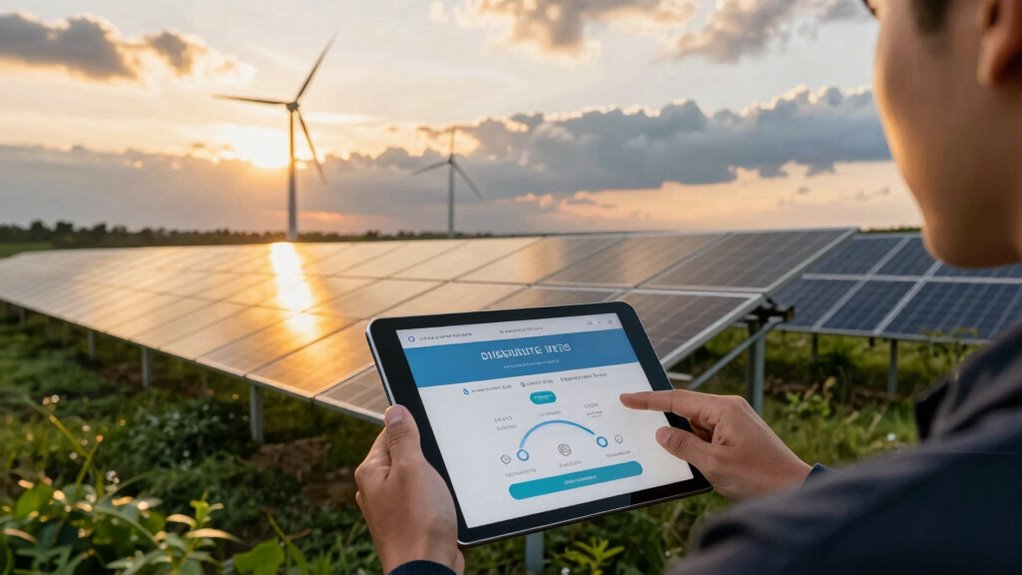
How can you determine if a source making a renewable energy claim is trustworthy? First, check their credentials and affiliations—reliable sources often cite scientific studies or industry experts. Be wary of sources that spread renewable myths or use confusing energy jargon to obscure the truth. Look for transparency about funding sources, research methods, and potential conflicts of interest. Reputable organizations typically provide references or links to primary data, making it easier to verify claims. Avoid sources that rely on sensational language or make sweeping promises without evidence. Cross-check the information with well-known, respected energy agencies or academic institutions. Additionally, verifying whether the source uses accurate data and adheres to scientific standards can help you determine the credibility of their claims. Confirming that the source adheres to scientific standards and employs rigorous research methods is essential for trustworthiness. Examining whether the organization maintains transparency, including clear disclosures and methodology, further enhances confidence in their statements. Analyzing the credibility of citations provided can also be an important step in assessing the reliability of the information. By scrutinizing the source’s credibility, you can better assess whether their claim is based on solid evidence or just marketing hype.
Which Certifications and Standards Should I Look For?

When evaluating the credibility of a renewable energy claim, checking for recognized certifications and industry standards can provide valuable assurance. Look for certifications such as LEED, UL, or ISO standards that validate quality and environmental impact. These standards help confirm that solar incentives or wind subsidies are backed by reputable processes. Additionally, verify if the project complies with local regulations and standards. You should also consider whether the supplier has a track record of transparency and third-party audits. Recognized standards help *guarantee* your investment supports genuine renewable projects rather than misleading claims. Conducting a certification verification can quickly reveal if a project adheres to industry benchmarks. It is also helpful to review the project’s environmental impact assessments, which provide insight into its sustainability credentials. To further ensure credibility, look for projects that provide transparency reports detailing their sourcing and operational practices. Incorporating independent audits can also add an extra layer of verification to the project’s claims. Furthermore, examining the certification process itself can help you understand how rigorous and trustworthy the standards are. Be especially cautious of claims that lack certification, as they may not meet industry benchmarks for sustainability or efficiency. Ultimately, certifications serve as a quick shortcut to verify the legitimacy of renewable energy claims.
How Can I Review the Energy Mix and Supporting Documentation?

To review the energy mix, you should carefully examine the sources listed and make certain they align with your expectations for renewability. Analyzing supporting documentation thoroughly helps you verify the accuracy and completeness of the claims. Don’t forget to verify the credibility of certifications to confirm that standards and claims are trustworthy. Additionally, understanding the concept of Free Floating can help you assess how independent and reliable the data sources are in the context of renewable energy verification. Consulting reputable business directories can also assist in identifying verified and trustworthy service providers in this field. Incorporating connected technology into your review process can further enhance the accuracy and transparency of the information you evaluate. Recognizing the importance of data transparency ensures you have full visibility into the methodologies behind the claims, which is essential for making informed judgments. Awareness of sustainability initiatives related to energy projects can further support your verification efforts.
Examine Energy Sources Clearly
Ever wonder if you’re getting an accurate picture of a region’s energy mix? To clarify, review the sources carefully and look beyond headlines. Focus on key indicators like solar potential and wind capacity, which reveal actual renewable strength. When examining data, keep these points in mind:
- Confirm if solar potential matches regional sunlight availability
- Check if wind capacity reflects local wind patterns
- Verify the timeline of reported data
- Look for independent assessments or government reports
- Cross-reference multiple sources for consistency
- Detect and correct passive voice to ensure clarity and accuracy in your evaluation
- Be aware of trustworthy information practices to avoid misleading claims
- Remember that reputable sources often include detailed documentation, such as official reports, to support their data
- Recognize the importance of data transparency to assess the reliability of energy claims
This approach assures you’re not misled by overstated claims. Clear evaluation of energy sources helps you understand the real renewable capabilities and the honesty behind the promotion of certain energy projects. Don’t settle for surface-level info—dig into the details for an accurate picture.
Analyze Supporting Documentation Thoroughly
How can you guarantee the data backing renewable energy claims is accurate and reliable? Start by thoroughly analyzing supporting documentation. Look beyond the surface to verify how the energy mix is reported, and watch out for renewable myths that can skew perceptions. Be cautious of claim misinterpretation, where figures may be cherry-picked or presented out of context to support a particular narrative. Check the sources of data—official reports, independent studies, and credible organizations. Cross-reference numbers and methodologies to ensure consistency. Don’t accept broad claims at face value; instead, scrutinize the details to uncover any gaps or biases. This careful review helps you distinguish genuine renewable energy progress from overstated or misleading assertions.
Verify Certification Credibility
Verifying the credibility of certifications is a key step in evaluating the accuracy of renewable energy claims. To do this, you should examine the certification bodies responsible for verifying the energy mix. Reputable organizations adhere to strict standards and use clear renewable terminology. Look for certifications from recognized bodies like the Green-e Energy or the Global Green Certification.
Key points to contemplate include:
- Confirm the certification body’s reputation and accreditation
- Check for transparent documentation detailing the energy sources
- Ensure the certification covers the specific renewable technologies involved
- Review the scope and validity period of the certification
- Cross-reference with official industry databases or reports
Where Can I Find Independent Data and Third-Party Reports?
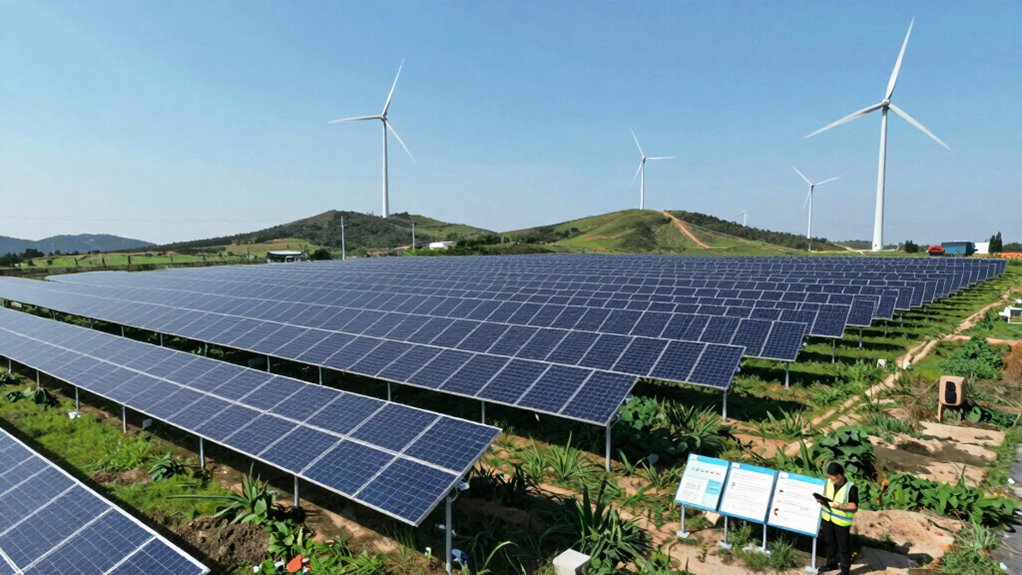
To find reliable independent data and third-party reports, start with trusted industry publications and research organizations. Government data sources also offer valuable, unbiased information on renewable energy performance. Additionally, nonprofit monitoring groups provide insights and analyses that can help you verify claims and understand the broader impact.
Trusted Industry Reports
Finding reliable data on renewable energy often means turning to trusted industry reports and third-party analyses. These sources provide independent insights into renewable technology and help you evaluate the accuracy of claim language. When searching, focus on reports from reputable organizations that specialize in energy data and analysis. They often include extensive data sets, market trends, and unbiased evaluations. Be cautious of reports that lack transparency or are sponsored by entities with vested interests. To guarantee credibility, look for reports published by:
- Established research firms
- Industry associations
- Academic institutions
- International energy agencies
- Independent think tanks
These sources help you verify claims confidently, ensuring you’re basing decisions on objective, third-party data rather than marketing hype.
Government Data Sources
Government agencies often provide some of the most reliable and independent data on renewable energy. They track renewable energy policies, monitor progress, and record government incentives that promote clean energy adoption. To access this information, visit official websites like the U.S. Energy Information Administration (EIA), the International Renewable Energy Agency (IRENA), or the Department of Energy (DOE). These sources offer detailed reports and datasets that help verify claims about renewable energy developments. Here’s a quick overview:
| Source | Focus Area | Key Data Provided |
|---|---|---|
| U.S. EIA | U.S. renewable energy stats | Policy impacts, incentives, capacity |
| IRENA | Global renewable trends | Policy analysis, project data |
| DOE | U.S. government programs | Incentives, policy summaries |
Using these sources helps guarantee your claims are backed by independent, authoritative data.
Nonprofit Monitoring Groups
Where can you turn to find unbiased, third-party assessments of renewable energy progress? Nonprofit monitoring groups provide valuable, independent data on solar panels, wind turbines, and overall deployment. These organizations analyze government reports, industry data, and on-the-ground observations, offering credible insights. Look for groups that:
- Publish detailed reports on renewable infrastructure
- Track progress over time with transparent methods
- Focus on solar and wind energy projects
- Highlight discrepancies or overstatements
- Provide accessible, easy-to-understand summaries
Examples include the Rocky Mountain Institute, the Union of Concerned Scientists, and the World Resources Institute. Their assessments help you verify claims, identify potential exaggerations, and get a clearer picture of actual renewable energy advancements. Always cross-reference their reports for the most reliable view.
What Are Common Red Flags and Overhyped Language in Renewable Claims?
Have you ever wondered how to spot exaggerated claims or misleading language in renewable energy marketing? Red flags often include greenwashing tactics designed to make products seem more eco-friendly than they actually are. Watch out for vague phrases like “green,” “sustainable,” or “eco-friendly” without clear definitions or evidence. Overhyped language such as “100% renewable” or “carbon-neutral” can be deceptive if not backed by verifiable data. Be cautious of buzzwords that sound impressive but lack context, like “green energy revolution” or “world-class sustainability.” These phrases often aim to appeal emotionally rather than provide factual information. Recognizing these red flags helps you avoid falling for false promises and ensures you make better-informed decisions about renewable energy claims.
How Do I Cross-Check Claims Using Industry and Government Databases?

Wondering how to verify renewable energy claims accurately? Using industry and government databases is a smart step to cut through renewable myths and avoid claim pitfalls. Start by checking official sources like the U.S. Energy Information Administration or local regulatory agencies, which provide verified data on renewable projects and certifications. Be cautious of unverified online claims or third-party reports. To guarantee accuracy, look for these indicators:
- Official certification labels
- Verified project data
- Transparent reporting standards
- Publicly accessible records
- Consistent data across sources
Cross-check details with multiple databases to confirm claims. Avoid relying solely on a single source, as it can lead to false conclusions. Using reputable databases helps you spot false claims and understand the true scope of renewable energy projects.
When Should I Consult Experts or Technical Analyses for Verification?

You should consider consulting experts or conducting technical analyses whenever renewable energy claims involve complex technologies, large-scale projects, or uncertain data. Expert consultation is vital when claims rely on specialized knowledge beyond general research, ensuring accuracy and reliability. Technical analysis helps verify technical feasibility, efficiency, and environmental impact. If a claim involves innovative methods, unproven systems, or conflicting information, it’s time to seek professional input. Relying solely on surface-level research can lead to misconceptions, so consulting specialists or conducting detailed technical assessments guarantees you get a clear, accurate picture. This step is indispensable for making informed decisions and avoiding misinformation, especially when the claims are complex or impactful. When in doubt, expert insights can save you from costly misunderstandings.
Frequently Asked Questions
How Often Do Renewable Energy Claims Get Updated or Revised?
Renewable energy claims are typically updated or revised whenever new renewable certifications are issued or when energy audits reveal changes. You should check certification bodies’ websites regularly, as they update their standards and records often. It’s wise to review recent energy audits to confirm current renewable energy use. Staying proactive guarantees you’re working with the most accurate, up-to-date information on renewable claims, helping you verify their authenticity quickly and effectively.
Can Regional Differences Affect the Validity of Renewable Claims?
You’re right to question whether regional differences impact renewable claims. Geographical variability and regional policies can substantially influence the validity of these claims, as renewable sources like wind or solar vary by location. Just like one size doesn’t fit all, renewable energy data must reflect local conditions. Always consider regional policies and geographic factors to guarantee claims are accurate and relevant to your area.
Are There Specific Tools or Apps for Quick Claim Verification?
Yes, you can use tools like solar calculators and wind maps for quick claim verification. Solar calculators help you estimate potential solar energy based on your location, while wind maps show wind strength and viability for turbines. These tools provide rapid, data-driven insights, making it easier to confirm if renewable energy claims are accurate. Just input your location details, and you’ll get a clear idea of the renewable potential.
How Do Seasonal Changes Impact Renewable Energy Production Claims?
Seasonal changes substantially impact renewable energy production claims due to solar variability and wind fluctuations. In summer, you might see higher solar output because of longer daylight hours, boosting claims of renewable energy generation. Conversely, winter can decrease solar and wind production, affecting the accuracy of these claims. You need to account for these seasonal variations when verifying renewable energy claims to guarantee they’re realistic and accurate.
What Role Do Local Regulations Play in Renewable Energy Claim Accuracy?
Local regulations are vital for guaranteeing renewable energy claim accuracy. They enforce policies that require transparency and proper documentation, making it harder for false claims to slip through. Your role involves supporting policy enforcement and encouraging community engagement, which helps hold providers accountable. When local authorities actively oversee renewable energy projects, it boosts trust and guarantees claims reflect actual sustainable practices, protecting consumers and promoting genuine renewable adoption.
Conclusion
To stay ahead of the curve and avoid being duped like a Gutenberg printing press in a digital age, always verify renewable energy claims with credible sources. Use certifications, independent reports, and expert advice to guarantee accuracy. Don’t let hype sway you—think like a seasoned detective, cross-checking every detail. By staying informed and skeptical, you’ll make smarter choices and contribute to genuine sustainability. Keep your wits sharp—after all, knowledge is your best armor in this renewable renaissance.