

Real local sourcing in hospitality means working directly with nearby farmers and artisans to guarantee fresh, authentic, and sustainably produced items. It goes beyond proximity, emphasizing genuine partnerships, transparency, and regional uniqueness. To verify, check certifications, visit farms, and request documentation. Distinguishing true local products from claims requires careful research and relationship-building. If you want to understand how to create trustworthy local supply chains and truly support your community, keep exploring the details ahead.
Key Takeaways
- Genuine local sourcing involves direct relationships with nearby farmers and artisans, not just regional origin claims.
- Authentic local products are typically seasonal, handcrafted, and supported by documentation or certifications confirming their origin.
- Real local sourcing emphasizes transparency, including site visits, sourcing records, and adherence to sustainable practices.
- True local products evoke a sense of place, support community farmers, and avoid mass-produced or imported items falsely marketed as local.
- Building trust through consistent verification, open communication, and ethical standards ensures the authenticity of local sourcing efforts.
What Does “Local” Really Mean in Hospitality Sourcing?
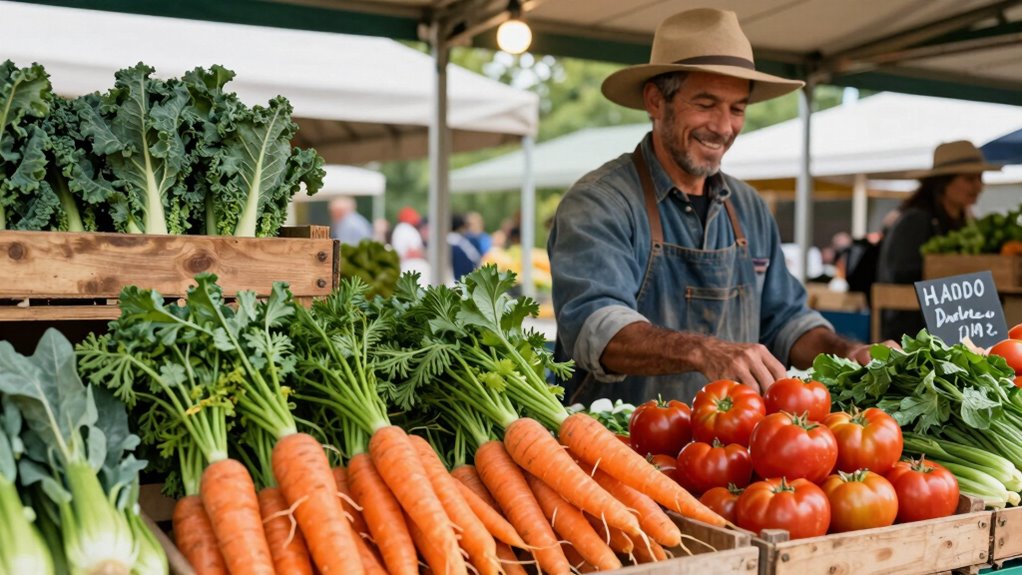
What does “local” really mean in hospitality sourcing? It’s more than just nearby ingredients; it’s about building farmer partnerships within your region. When you source locally, you’re supporting regional branding, which highlights the unique flavors and qualities of your area. This approach means working closely with local farmers to ensure freshness, sustainability, and traceability. Your commitment to local sourcing can strengthen community ties and boost regional identity, making your offerings stand out. Remember, “local” isn’t just about distance—it’s about authenticity, relationships, and a shared commitment to quality. By prioritizing regional branding and farmer partnerships, you create a genuine, sustainable supply chain that benefits everyone involved and enhances your guests’ experience. Embracing local sourcing practices can also help streamline sourcing and storytelling, making your local efforts more transparent and impactful. Additionally, understanding market definitions can help clarify what truly qualifies as local in your region.
How to Identify Authentic Local Products and Suppliers
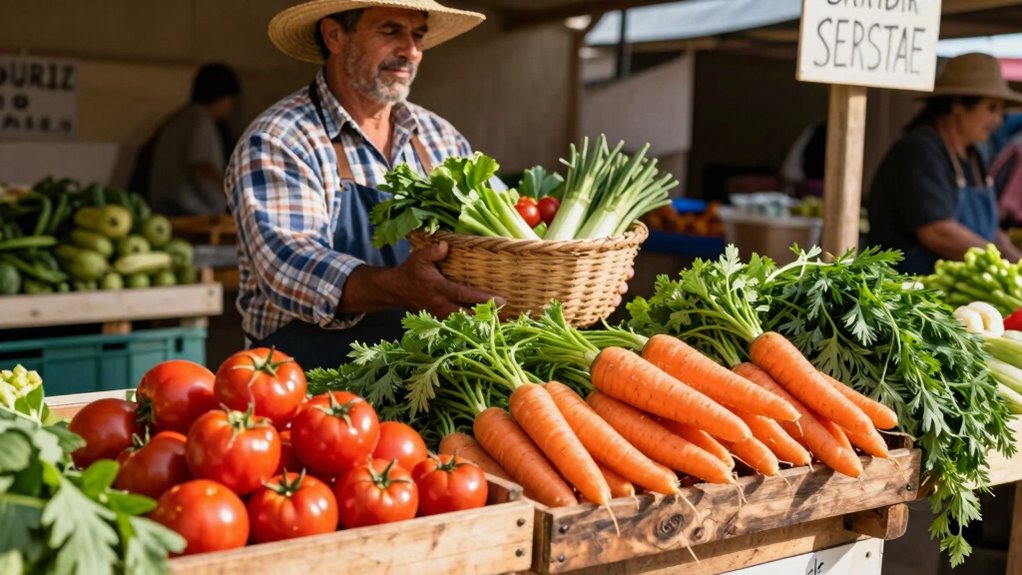
To guarantee you’re working with truly authentic local products, start by researching your region’s agriculture and food producers. Visit farmers’ markets, talk to farmers, and seek out community-supported agriculture (CSA) programs. Look for suppliers who emphasize seasonal sourcing, which assures freshness and supports local ecosystems. Artisanal products are often crafted in small batches, reflecting traditional methods and local flavor. Verify the origin of products and ask for documentation or certifications that prove their local roots. Building relationships with trusted local farmers and artisans helps you distinguish genuine sources from those claiming to be local. By prioritizing seasonal sourcing and supporting artisanal producers, you ensure your offerings are authentic, sustainable, and truly connected to your community. Paying attention to local sourcing practices can also help you assess the sustainability and ethical standards of your suppliers. Additionally, exploring eco-friendly accommodations that prioritize local materials and services can further demonstrate your commitment to genuine local engagement. Supporting local businesses and understanding their production methods can enhance the authenticity of your offerings and contribute positively to the community. Developing a clear understanding of local supply chain transparency can help ensure the integrity of your sourcing practices. Moreover, staying informed about community-based initiatives can foster stronger collaborations with local stakeholders.
Common Challenges in Sourcing Locally and How to Overcome Them
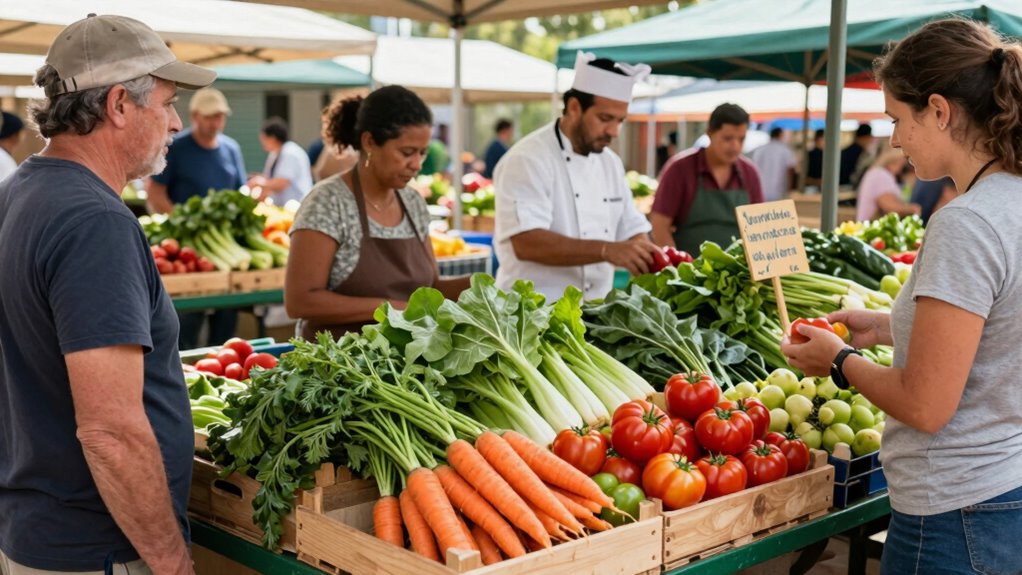
You may face challenges like limited supplier availability and fluctuating costs when sourcing locally. These issues can disrupt your supply chain and affect your budget. Addressing them requires proactive planning and building strong relationships with local producers. Incorporating energy-efficient cloud solutions can further enhance your sustainability efforts and operational resilience. Additionally, leveraging document management tools can help streamline procurement processes and maintain accurate records. Implementing inventory tracking systems can also help anticipate shortages and optimize stock levels to better manage local sourcing constraints. Embracing smart kitchen technology can provide valuable insights into inventory and supplier performance, helping you adapt to supply fluctuations more effectively. Exploring local sourcing best practices can further improve your strategy and minimize potential disruptions.
Supplier Availability Challenges
One of the biggest hurdles in sourcing locally is the limited availability of suppliers, which can fluctuate with seasonal shifts, regional production, and market demand. This creates disruptions in your supply chain, making it challenging to maintain consistent inventory levels. Regional distribution also plays a role, as some areas may lack sufficient suppliers to meet your volume needs. To overcome this, diversify your supplier network by building relationships with multiple local producers. Maintain open communication to anticipate shortages and plan accordingly. Establishing partnerships with cooperatives or local aggregators can also help stabilize supply. Flexibility in your menu and ordering practices allows you to adapt quickly when certain suppliers are unavailable. Additionally, understanding the vetted nature of wave and wind influences can help predict and plan for supply fluctuations. Recognizing how weather patterns impact regional production and supply stability is essential for better supply chain planning. By understanding these dynamics, you can better navigate supply chain fluctuations and ensure steady access to local products.
Cost and Pricing Issues
Why do cost and pricing issues often pose significant challenges when sourcing locally? You might find that local products come with higher prices, making it tough to stay competitive. Without proper pricing strategies, you risk losing customers or damaging margins. To navigate this, focus on thorough cost analysis to identify areas for savings. Here are some common hurdles:
- Balancing quality and cost – Ensuring local produce meets standards without overspending.
- Pricing transparency – Negotiating fair prices without sacrificing supplier relationships.
- Market fluctuations – Adapting pricing strategies to seasonal or regional price changes.
Overcoming these challenges requires diligent cost analysis and flexible pricing strategies. By understanding true costs and market dynamics, you can offer authentic local options while maintaining profitability.
Verifying Your Local Partners and Ensuring Transparency

To build trust with your customers, you need to verify your local partners and confirm they meet transparency standards. Asking for documentation and conducting site visits can help guarantee they operate ethically and sustainably. When you prioritize transparency, you strengthen your reputation and create a reliable supply chain. Maintaining transparency regarding affiliate relationships ensures your customers trust your sourcing claims. Additionally, implementing holistic wellness approaches in your vetting process can further demonstrate your commitment to ethical practices. Incorporating soil quality standards into your evaluation process can also help verify that your partners use sustainable and healthy practices in their operations. Regular audits of piercing aftercare procedures can also ensure safety standards are consistently maintained. Emphasizing ethical sourcing practices can reinforce your dedication to social responsibility and environmental stewardship.
Verifying Local Partners
Have you ever wondered how to guarantee your local partners are truly reliable and transparent? Verifying your partners is essential to build trust and authenticity. To do this, focus on: 1. Checking certifications and local credentials—this confirms their commitment to farm-to-table movements and artisan collaborations. 2. Visiting farms and workshops—seeing their practices firsthand ensures transparency and quality. 3. Asking for references and success stories—real experiences reveal their reliability and dedication to genuine local sourcing. Additionally, assessing their commitment to local sourcing and sustainable practices can further ensure authenticity. Demonstrating a clear understanding of transparency standards can help you better evaluate their credibility and integrity. Understanding the importance of layer concepts can also aid in organizing and assessing the different aspects of these partnerships.
Ensuring Transparency Standards
Wondering how to guarantee your local partners uphold transparency? Start by setting clear expectations around local branding and sustainability metrics. Request detailed documentation that verifies their sourcing practices and adherence to ethical standards. Regularly review their sustainability reports and audit results to ensure consistency. Transparency isn’t just about claims; it’s about proof—so ask for third-party certifications or independent assessments. Communicate your standards clearly and foster open dialogue to address any gaps. Using verified data on sustainability metrics helps you measure progress and hold partners accountable. By actively verifying your local partners’ practices and insisting on transparency, you reinforce your commitment to authentic local sourcing, building trust with customers and strengthening your reputation as a responsible hospitality provider.
Why Sourcing Locally Benefits Hotels and Restaurants

Ever considered how sourcing locally can give your hotel or restaurant a competitive edge? Embracing local sourcing strengthens your connection to the community and elevates your offerings. Here are three powerful benefits:
- Enhance freshness and quality — with farm to table practices, you serve ingredients at their peak, delighting your guests.
- Support local artisans — showcase artisanal crafts that add authenticity and uniqueness to your establishment.
- Build loyalty and trust — customers appreciate your commitment to sustainability and local economy, making them more likely to return.
Real-Life Examples of Authentic Local Sourcing in Hospitality

Looking for inspiring examples of how authentic local sourcing transforms hospitality? Consider a farm-to-table restaurant that partners directly with nearby farmers, ensuring fresh, seasonal ingredients are served daily. This approach highlights artisanal sourcing, where chefs select handcrafted, locally produced items that truly reflect regional flavors. Another example is a boutique hotel that collaborates with local artisans to create handmade toiletries and decor, supporting small businesses and offering guests an authentic experience. Such initiatives showcase how embracing genuine local sourcing enhances quality, promotes sustainability, and deepens community ties. These real-life cases demonstrate that authentic sourcing isn’t just about fresh ingredients; it’s about honoring local craftsmanship and fostering meaningful connections with producers. This creates memorable, truly local hospitality experiences.
How to Tell True Local Products Apart From “Locally-Claimed” Items

Distinguishing true local products from those simply labeled as “locally-claimed” requires careful attention to detail. First, verify the farm to table connection; real local products come directly from nearby farms, not distant sources. Second, scrutinize artisanal claims—authentic artisanal items are handcrafted and often have transparent origin stories. Third, ask for documentation or certifications that prove local sourcing, such as farm visit records or producer labels. Genuine local products evoke a sense of place and support community farmers, unlike mass-produced or imported items falsely marketed as local. Recognizing these differences ensures you deliver authentic farm to table experiences and uphold true local sourcing standards. Your commitment to genuine local products fosters trust and elevates your hospitality offerings.
Practical Steps to Build Genuine Local Supply Chains
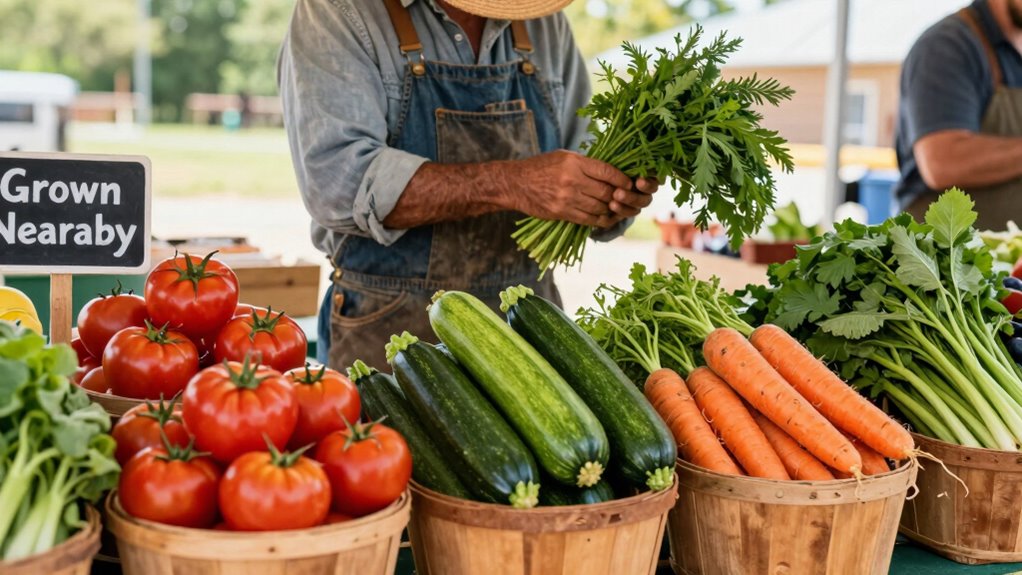
Building a genuine local supply chain requires deliberate planning and strong relationships with nearby producers. You should prioritize working with local farmers and artisans committed to eco-friendly practices and sustainable packaging. Start by visiting farms and markets to assess their practices firsthand. Collaborate on sourcing ingredients and products that align with your sustainability goals. Maintain open communication and offer support to build trust. Consider incentives for eco-friendly packaging and waste reduction. Use this table to compare potential suppliers:
| Supplier | Eco-Friendly Practices | Sustainability Focus |
|---|---|---|
| Farm A | Composting, minimal packaging | Local organic produce |
| Bakery B | Recyclable packaging | Using local grains |
| Market C | Reusable containers | Reducing plastic waste |
Building genuine local supply chains is about intentional choices that support community and environmental health.
Frequently Asked Questions
How Does Local Sourcing Impact a Property’s Sustainability Credentials?
You boost your property’s sustainability credentials by embracing local sourcing, which promotes community engagement and reduces transportation emissions. When you prioritize local suppliers, you support the local economy, creating a positive economic impact. This approach showcases your commitment to environmental responsibility and strengthens community ties, making your property more attractive to eco-conscious guests. Overall, local sourcing enhances your sustainability profile while fostering local economic growth.
What Certifications Differentiate Genuine Local Products From Falsely Labeled Ones?
You can differentiate genuine local products by checking certification standards like USDA Organic or Fair Trade, which verify origin and quality. Authenticity markers include clear labeling, traceability details, and locally recognized seals. Always ask suppliers for documentation that proves the product’s origin aligns with local sourcing claims. These standards and markers guarantee you’re sourcing truly local, supporting sustainability and avoiding falsely labeled products.
How Can Small Suppliers Compete With Larger, International Vendors?
Think of small suppliers as underdogs, ready to shine. You can help them compete by fostering community collaboration, which builds loyalty and trust. Focus on quality assurance to showcase your commitment to superior products. Highlight their local roots and personal touch, making your offerings stand out like gems in a sea of giants. This approach not only levels the playing field but also strengthens your local economy and authentic guest experiences.
Are There Legal Considerations When Claiming Products as “Local”?
Yes, there are legal considerations when claiming products as “local.” You need to follow labeling laws that specify how you can market products, ensuring honesty and transparency. Regional definitions vary, so you must be clear about what qualifies as “local” in your area. Misleading labels can lead to legal issues and damage your reputation, so always verify your claims and adhere to applicable regulations.
How Does Local Sourcing Influence Guest Perceptions and Marketing Strategies?
Local sourcing boosts guest trust by showcasing fresh, regional ingredients, making your offerings feel authentic. It also enhances your marketing appeal, as guests appreciate your commitment to sustainability and supporting local communities. By highlighting your local sourcing practices, you create a positive image that resonates with eco-conscious travelers, encouraging loyalty and positive reviews. Ultimately, it strengthens your brand’s reputation and attracts more guests seeking genuine, locally-driven experiences.
Conclusion
By choosing authentic local sources, you paint a vibrant tapestry of freshness and community around your establishment. When you see farmers’ markets bursting with colorful produce or local artisans’ handcrafted goods lining your shelves, you’re weaving genuine connections into every dish and experience. Embrace transparency and trust in your supply chain, transforming your space into a welcoming hub where authenticity blooms, creating a lasting impression that’s as vivid and memorable as a sunrise over your neighborhood.