
Building design matters more than eco marketing because it delivers real environmental and energy savings. Thoughtful design choices like natural ventilation, ideal orientation, and sustainable materials directly lower your building’s emissions, energy use, and waste. While eco marketing can boost awareness, it doesn’t change the actual impact of a structure. By focusing on innovative architecture, you guarantee long-term sustainability and cost savings. Keep exploring to see how strategic design makes a lasting difference.

Get travel and outdoor gear delivered free with Prime
- Fast, free delivery on millions of items
- Prime Video, Amazon Music and more included
- Member-only deals all year
Key Takeaways
- Thoughtful building design directly reduces energy consumption and emissions, delivering tangible environmental benefits beyond marketing claims.
- Incorporating sustainable materials and strategic design decisions enhances long-term building efficiency and durability.
- Innovative architecture focuses on actual performance, not just superficial eco-friendly branding.
- Resilient design ensures buildings adapt to changing needs and climate, minimizing resource-intensive renovations.
- Effective design from inception ensures sustainability is embedded, making it more impactful than marketing efforts alone.
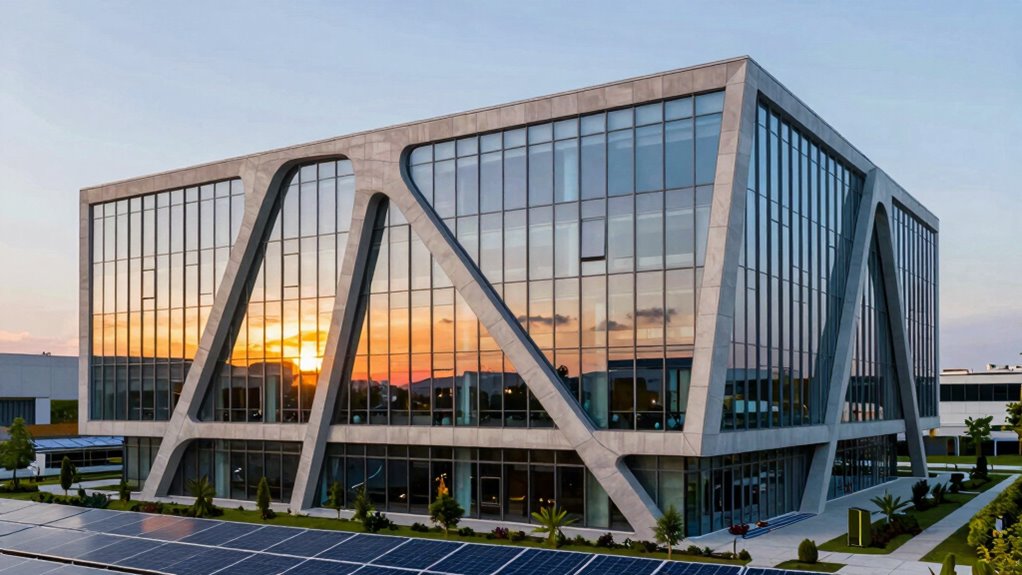
While eco marketing has gained popularity, focusing on building design remains the most effective way to achieve lasting environmental benefits. You might see brands touting their green initiatives or claiming to be eco-friendly, but true sustainability starts with the structures you create. Innovative architecture plays a critical role here. When you incorporate innovative design principles, you’re not just making buildings look modern—you’re optimizing them for energy efficiency, natural ventilation, and sunlight use. These features significantly cut down on energy consumption and reduce the building’s carbon footprint over its lifetime.
Innovative building design enhances energy efficiency and reduces long-term environmental impact through smarter architecture choices.
It’s also essential to prioritize sustainable materials in your building projects. Using eco-friendly materials like recycled steel, bamboo, or low-impact insulation helps lower the environmental toll of construction. These materials not only minimize waste and pollution during manufacturing but also often improve the building’s overall efficiency and durability. When you choose sustainable materials, you’re building a structure that’s designed to last longer and perform better, which ultimately saves resources and reduces waste.
Building design’s importance surpasses eco marketing because it addresses sustainability at its core. When you focus on design, you’re making strategic decisions about orientation, insulation, window placement, and even the building’s shape to maximize energy savings. These choices have a direct, measurable impact, unlike marketing claims that often serve to enhance a brand’s image without tangible environmental benefits. Incorporating innovative architecture into your projects ensures that sustainability is integrated from the ground up rather than just promoted through marketing. Additionally, embracing sustainable building practices can lead to significant reductions in operational costs over time. Incorporating energy-efficient design principles further enhances these benefits by reducing ongoing energy demands. Recognizing the lifecycle impact of your buildings helps in designing structures that remain environmentally responsible throughout their lifespan.
You also control the lifecycle impact of your buildings through thoughtful design. Sustainable architecture emphasizes adaptability and resilience, ensuring structures can evolve with changing needs or withstand extreme weather conditions. This foresight reduces the need for frequent renovations or rebuilds, which can be resource-intensive. By adopting environmentally conscious design principles, architects and builders can better predict and minimize the long-term environmental effects of their projects. When you prioritize building design, you’re making a commitment to long-term environmental health rather than short-term marketing wins.
Ultimately, eco marketing can raise awareness, but it doesn’t replace the importance of designing buildings that truly minimize environmental harm. If you want real change, you need to invest in innovative architecture and sustainable materials that fundamentally reduce energy use, waste, and emissions. This approach not only benefits the environment but also results in cost savings and healthier spaces for occupants. Building design isn’t just a technical detail—it’s the foundation of meaningful, lasting sustainability. When you prioritize it, you’re ensuring that your efforts have a genuine, lasting impact that eco marketing alone can’t achieve.
energy-efficient building windows
As an affiliate, we earn on qualifying purchases.
As an affiliate, we earn on qualifying purchases.
Frequently Asked Questions
How Does Building Design Impact Long-Term Environmental Sustainability?
Building design directly impacts long-term sustainability by incorporating passive design strategies that reduce energy consumption and reliance on mechanical systems. You can also prioritize material innovation, choosing eco-friendly, durable materials that lower environmental impact over time. When you focus on thoughtful design, you create buildings that are energy-efficient, resilient, and sustainable, ensuring they serve future generations while minimizing ecological footprints.
What Are the Cost Differences Between Eco-Friendly Building Design and Marketing?
The cost differences between eco-friendly building design and marketing strategies vary, but generally, eco design requires higher upfront investments in sustainable materials and energy-efficient systems. However, a thorough cost analysis shows long-term savings through reduced energy bills and maintenance. In contrast, marketing strategies may have lower initial costs but often deliver less tangible environmental benefits. Prioritizing eco design can offer more sustainable value, making it a smarter long-term investment.
Can Good Building Design Compensate for Lack of Eco Marketing Efforts?
Good building design can indeed compensate for limited eco marketing efforts by showcasing aesthetic appeal and design innovation. When your building stands out visually and demonstrates sustainable features through smart design, it naturally attracts attention and reinforces your eco-friendly message. People notice innovative, attractive structures, which encourages word-of-mouth and brand recognition. Ultimately, a well-designed eco-friendly building serves as a living advertisement, making eco marketing efforts more effective and less necessary.
How Do Building Codes Influence Sustainable Design Choices?
Building codes heavily influence your sustainable design choices by enforcing regulatory compliance, which guarantees safety and environmental standards are met. They encourage you to innovate in your design, pushing you toward energy-efficient materials and systems. By adhering to these codes, you can achieve both legal compliance and environmental goals, fostering design innovation that makes your building more sustainable and environmentally responsible.
What Role Does Occupant Behavior Play in Sustainable Building Performance?
Your occupant habits markedly influence sustainable building performance. When you adopt energy-efficient behaviors—like turning off unused lights or adjusting thermostats—you reduce resource consumption and lower operational costs. Behavioral influence plays a vital role because even the best building design can’t maximize sustainability if occupants don’t engage in eco-friendly practices. Conscious habits amplify the benefits of sustainable design, making your building more environmentally responsible and cost-effective over its lifespan.
Conclusion
Think of your building as a grand ship sailing through the ocean. While colorful sails and shiny decorations catch eyes, it’s the sturdy hull and efficient engine that keep it afloat and thriving. Building design acts as that essential framework, guiding sustainability from within. By prioritizing thoughtful design, you’re not just decorating the vessel—you’re ensuring it navigates the future smoothly, far beyond eco marketing’s fleeting shadows. Your real impact starts with how you build, not just how you boast.
Halloween Picks
halloween
As an affiliate, we earn on qualifying purchases.