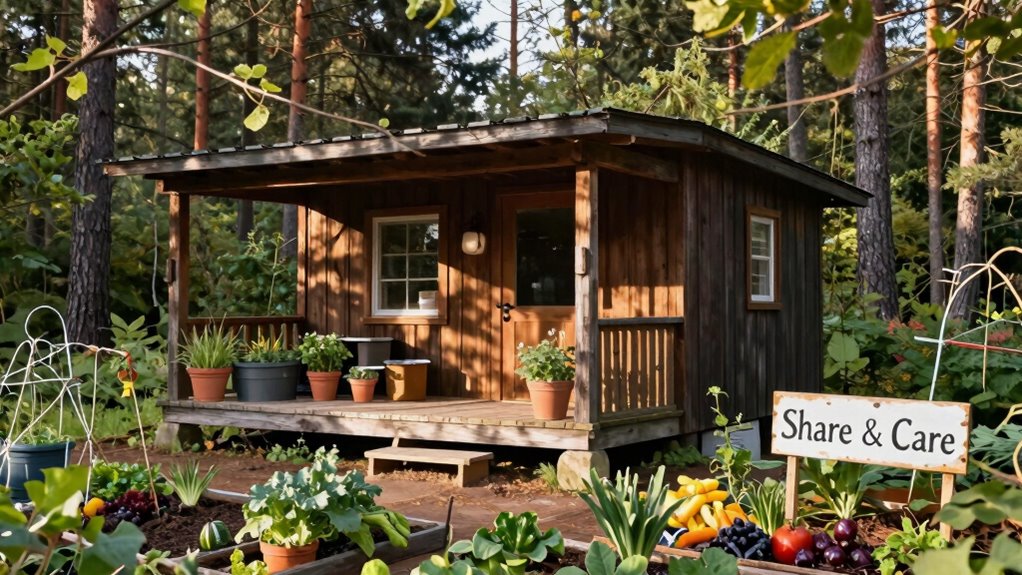

Smaller retreats often feel more responsible because they focus on eco-friendly practices like using renewable energy, waste reduction, and local sourcing, which minimize their environmental footprint. They foster authentic connections with local communities and prioritize cultural preservation and conservation efforts. These retreats tailor their impact control and sustainability measures to fit specific environments, making your stay more meaningful and eco-conscious. If you stay curious, you’ll discover how these practices create a truly responsible and enriching experience.

Get travel and outdoor gear delivered free with Prime
- Fast, free delivery on millions of items
- Prime Video, Amazon Music and more included
- Member-only deals all year
Key Takeaways
- Smaller retreats prioritize personalized, eco-friendly practices like local sourcing and sustainable building, reducing environmental impact.
- They foster authentic community connections, supporting local economies and cultural preservation.
- Smaller scale allows for tailored conservation efforts and environmental education initiatives.
- They implement targeted impact control measures, minimizing negative ecological and social effects.
- Intimate settings promote mindful, responsible travel that encourages deeper engagement with local environments and cultures.
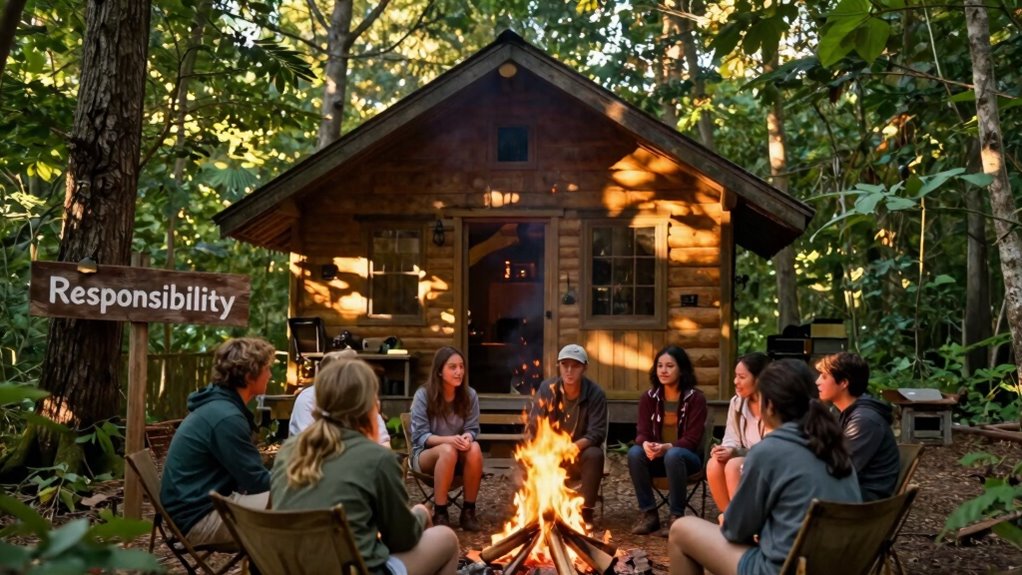
As travel trends shift toward more sustainable and meaningful experiences, smaller retreats are emerging as a responsible choice for conscious travelers. You might find that these intimate accommodations focus heavily on eco-friendly practices, making it easier for you to reduce your environmental footprint. From solar-powered facilities to waste reduction initiatives, small retreats often prioritize sustainability in ways larger resorts can’t match. You’re encouraged to participate in practices like composting, using biodegradable products, and conserving water, all of which contribute to a healthier planet. These smaller settings tend to be more flexible in implementing eco-friendly measures, allowing you to enjoy your stay without feeling guilty about contributing to environmental degradation. Additionally, many small retreats actively promote the conservation of local ecosystems, ensuring that their operations support the preservation of native flora and fauna. These efforts often go hand-in-hand with educating guests about biodiversity and responsible environmental stewardship. Small retreats often work closely with local organizations to support conservation initiatives, fostering a deeper understanding and appreciation of the surrounding environment. This collaborative approach helps to enhance local ecosystems and ensures that tourism benefits are sustainable over the long term. Moreover, small retreats frequently employ sustainable building practices, which further reduce their ecological impact and demonstrate a commitment to responsible development. An increasing number of these retreats also incorporate renewable energy sources, further reducing their reliance on traditional energy grids and lowering their carbon footprint. Community engagement is another core aspect that makes smaller retreats stand out as responsible options. When you choose a retreat that’s embedded within a local community, your presence directly supports local economies and promotes cultural preservation. You’re more likely to interact with residents, learn about their traditions, and contribute to projects that benefit the community, such as local craft markets or conservation initiatives. This kind of engagement creates a meaningful exchange—you’re not just passing through as a tourist, but actively participating in the community’s well-being. The smaller size of these retreats fosters authentic relationships, enabling you to connect on a deeper level with local people and their environment. Another reason smaller retreats feel more responsible is their ability to customize and control their impact. Unlike large-scale resorts that often operate on a broad, impersonal scale, small retreats tailor their practices to local needs and resources. You might notice that they source food locally, promote eco-friendly transportation options, and implement conservation programs that are specifically suited to their surroundings. By doing so, they minimize negative impacts and maximize positive contributions, making your stay more sustainable by design. It’s also easier for these retreats to educate guests about responsible travel, encouraging you to make mindful choices that benefit both the environment and the community. Ultimately, when you opt for a smaller retreat, you’re choosing a more responsible way to travel. These retreats often operate with a stronger commitment to eco-friendly practices and community engagement, making your experience more authentic and impactful. You’re not just a visitor—you become part of a ecosystem that values sustainability and cultural preservation. This approach ensures that your travel leaves a positive footprint, fostering a connection that’s respectful, enriching, and sustainable for everyone involved.
As an affiliate, we earn on qualifying purchases.
Frequently Asked Questions
How Do Smaller Retreats Impact Local Communities Differently?
Smaller retreats impact local communities more positively by fostering deeper community engagement and respecting cultural preservation. When you choose smaller retreats, you directly support local businesses and artisans, creating meaningful connections. This approach encourages responsible tourism, ensuring traditions are honored, and resources aren’t overstretched. Your participation helps preserve cultural heritage while promoting sustainable growth, making your visit beneficial for both the community and your personal experience.
Are Smaller Retreats More Eco-Friendly Than Larger Ones?
Smaller retreats are often greener, like a delicate leaf in a vast forest. You’ll find their eco footprint is generally lighter because they manage resources more efficiently, avoiding waste and overuse. With fewer attendees, resource management becomes simpler and more sustainable, reducing environmental impact. This intimate scale encourages mindful consumption and conservation, making smaller retreats a more eco-friendly choice for travelers seeking to minimize their footprint on the planet.
What Are Common Challenges of Organizing Smaller Retreats?
Organizing smaller retreats can be challenging because venue selection needs careful thought, ensuring the space suits your group’s size and eco goals. You also face the task of maintaining attendee engagement, making sure everyone feels involved and connected. Managing logistics on a smaller scale requires more personalized planning, which can be time-consuming. Balancing these elements demands attention to detail and creativity to create a meaningful, sustainable experience without feeling overwhelmed.
How Do Smaller Retreats Ensure Inclusivity and Diversity?
You guarantee inclusivity and diversity at smaller retreats by actively practicing inclusive outreach, reaching out to diverse communities, and inviting a wide range of participants. Prioritize cultural representation in your activities, speakers, and materials to reflect varied backgrounds. Create a welcoming atmosphere where everyone feels valued and heard. By thoughtfully addressing these areas, you foster a more inclusive environment that celebrates differences and promotes meaningful connections among all attendees.
Can Smaller Retreats Be as Profitable as Larger Events?
Yes, smaller retreats can be as profitable as larger events. You can charge premium prices by offering luxury amenities and personalized experiences, which attract guests seeking exclusivity and tailored service. With fewer attendees, you reduce overhead costs and create a more intimate atmosphere that encourages higher spending. By focusing on quality over quantity, you turn each guest into a valuable contributor to your retreat’s profitability.
Conclusion
You might find that smaller retreats feel more responsible because they foster genuine connections and accountability. With fewer people, everyone’s actions matter more, making it easier to stay committed to the group’s goals. Notably, a study shows that groups under 10 participants are 40% more likely to achieve their objectives, highlighting how intimacy boosts responsibility. So, next time you join a smaller retreat, remember—it’s not just about the setting, but the deeper sense of collective accountability you create.
Fall Picks
fall essentials
As an affiliate, we earn on qualifying purchases.