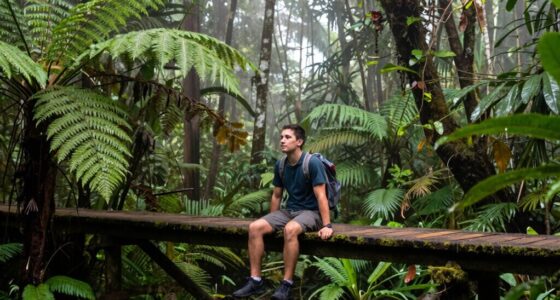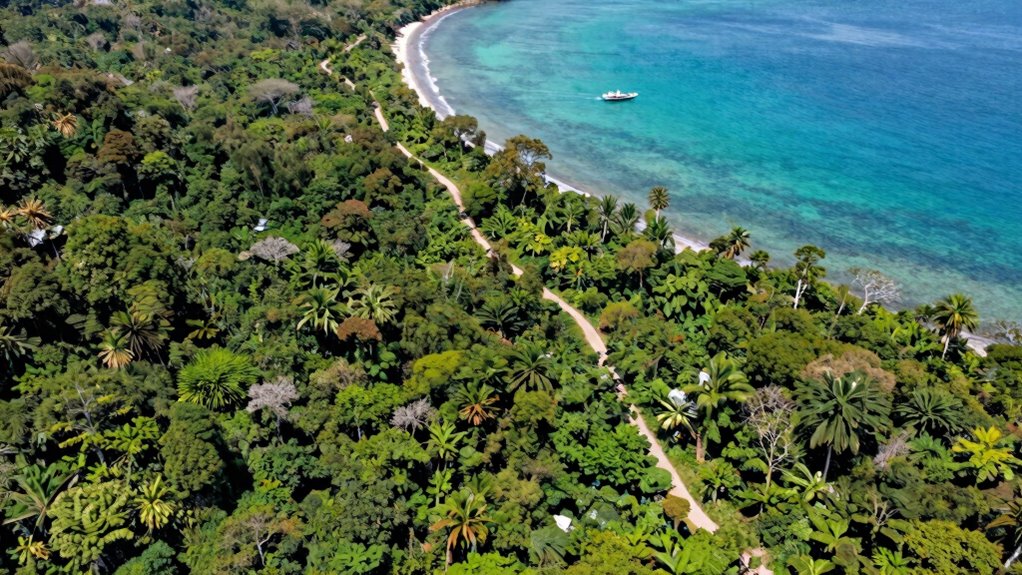

Focusing on fewer stops during your visit to the Osa Peninsula lets you truly immerse yourself in its vibrant landscapes and rich wildlife. By staying longer at select spots, you can experience authentic encounters, capture better photos, and understand the environment more deeply. This slower pace minimizes environmental impact and supports responsible tourism. If you keep exploring, you’ll discover how this thoughtful approach creates memorable, meaningful adventures that connect you more deeply with nature.

Get travel and outdoor gear delivered free with Prime
- Fast, free delivery on millions of items
- Prime Video, Amazon Music and more included
- Member-only deals all year
Key Takeaways
- Fewer stops allow for deeper immersion and more authentic wildlife encounters in the region’s rich ecosystems.
- Longer stays minimize environmental disturbance and support sustainable, responsible tourism practices.
- Concentrated visits enhance wildlife photography opportunities and ecological understanding.
- Reduced logistics simplify travel, enabling better connections with local guides and conservation efforts.
- Focusing on select areas maximizes natural beauty and creates more memorable, meaningful experiences.

If you want to experience the true beauty of Costa Rica’s Osa Peninsula, it’s best to keep your trip simple and minimize stops. The less you interrupt the flow of your journey, the more you’ll immerse yourself in the rich biodiversity and untouched landscapes that make this region so special. By focusing on fewer destinations, you give yourself the chance to truly connect with the environment, making your wildlife photography sessions more rewarding and your eco tourism adventures more meaningful.
Minimize stops to fully immerse in Osa’s rich biodiversity and create meaningful wildlife and eco-tourism experiences.
The Osa Peninsula is a treasure trove of wildlife and lush forests, where every turn offers a new chance to spot exotic animals or capture stunning images. When you limit your stops, you avoid the rush that can come with trying to see everything at once. Instead, you spend quality time at each location, increasing your chances of witnessing rare creatures like jaguars, tapirs, or colorful birds. Fewer stops mean less travel time and fewer logistical headaches, allowing you to dedicate more hours to exploring and photographing wildlife in their natural habitats.
Traveling lightly and staying longer at select spots also enhances your eco tourism adventure. You get to experience the area’s ecological richness without feeling hurried or overwhelmed. This approach encourages responsible tourism, as you’re less likely to disturb the environment or wildlife with constant movement. You can take your time on guided nature walks or boat rides, soaking in the sights and sounds that make the Osa Peninsula so extraordinary. The slower pace allows for better observation and more authentic encounters, enriching your understanding of the region’s delicate ecosystems. Recognizing the importance of biodiversity ensures that conservation efforts remain a priority and benefit both the environment and local communities. Incorporating awareness of conservation practices can further amplify your positive impact during your visit.
Fewer stops also mean you’re more likely to meet local guides and conservationists who can deepen your appreciation of the area. Their insights help you see things you might otherwise miss and provide context about the importance of preserving this pristine wilderness. This focused approach enhances your wildlife photography, as you’re able to set up better shots without the distraction of constant travel. Furthermore, engaging with these experts can inspire a greater sense of environmental responsibility, encouraging you to adopt more eco-friendly habits during your trip. Additionally, your eco tourism adventures become more sustainable, reducing your carbon footprint and supporting local communities in a more meaningful way.
Ultimately, keeping your trip simple and minimizing stops lets you savor the natural beauty of the Osa Peninsula without distraction. It’s about quality over quantity—focusing on fewer, well-chosen locations maximizes your chances of authentic wildlife encounters, stunning photographs, and memorable eco experiences. When you slow down and concentrate your efforts, the rich biodiversity of the Osa reveals itself more vividly, leaving you with a deeper connection to this extraordinary corner of Costa Rica.
Products Worth Considering

GoPro LIT HERO Waterproof Action Camera with Built-In Light

DJI Mini 4K Drone with 4K UHD Camera

GoPro HERO Compact Waterproof 4K Action Camera
As an affiliate, we earn on qualifying purchases.
Frequently Asked Questions
What Is the Best Time of Year to Visit the Osa Peninsula?
You should visit the Osa Peninsula during the dry season, from December to April, when the weather is sunny and ideal for exploring. During this time, seasonal weather is most favorable, making travel easier and more enjoyable. For travel tips, book accommodations early and plan outdoor activities around the weather. Visiting in the dry season guarantees you experience the lush rainforest and wildlife without the interruptions of heavy rain.
Are There Guided Tours Available on the Osa Peninsula?
Imagine stepping into a lush, living jungle book—guided tours are your pages. On the Osa Peninsula, eco adventures await, and guided tours make exploring easy and immersive. You’ll discover hidden waterfalls, vibrant wildlife, and pristine beaches with expert guides leading the way. Whether you’re seeking wildlife encounters or rainforest treks, these tours bring nature to life, making your experience more meaningful and memorable.
How Accessible Is the Osa Peninsula for Travelers With Limited Mobility?
The Osa Peninsula offers some accessible accommodations and is becoming more mobility-friendly, but it can be challenging for travelers with limited mobility. You’ll find certain lodges with ramps and accessible facilities, but outdoor activities like jungle hikes may be less accessible. It’s best to plan ahead, choose guided tours designed for mobility, and confirm accessibility options with your accommodations to guarantee a comfortable and enjoyable experience.
What Wildlife Can I Expect to See During My Visit?
You can expect to see a stunning array of wildlife, including over 400 bird species, making birdwatching opportunities extraordinary. During your visit, you might encounter jaguars, tapirs, and howler monkeys, perfect for wildlife photography. The rich biodiversity of the Osa Peninsula means every trek offers chances to spot rare animals and vibrant birds, creating unforgettable moments. Your adventure will be filled with diverse sights and sounds from Costa Rica’s lush rainforests.
Are There Any Safety Concerns Specific to the Osa Peninsula?
You should be aware of some local safety concerns, but overall, the Osa Peninsula is safe for visitors. Stick to well-traveled areas, avoid risky wildlife encounters, and respect local customs. In emergencies, reliable emergency services are available, and locals are friendly and helpful. By staying cautious and prepared, you can enjoy your adventure worry-free, knowing help is accessible if needed.
Conclusion
Just like a smooth sail through calm waters, taking fewer stops on the Osa Peninsula lets you truly immerse yourself in its untouched beauty. You’ll find the journey more than just a passage—it becomes a part of the adventure, much like Odysseus’s voyage, full of discovery and wonder. So, trust in simplicity, embrace the flow, and let the peninsula’s pristine wilderness reveal its secrets without interruption. Sometimes, less truly is more.