To stay cool in Guanacaste without wasting water, adopt simple water-smart habits like taking shorter showers, reusing towels, and turning off taps when not in use. Choose eco-friendly accommodations that support conservation efforts and use water-efficient fixtures. Practice outdoor water-saving strategies, such as watering plants early or using rainwater. Using apps and reusable supplies will help you track and reduce your water footprint. Keep exploring for practical tips to enjoy Guanacaste sustainably.
Key Takeaways
- Choose eco-certified accommodations supporting water conservation and local sustainability initiatives.
- Practice water-saving habits like shorter showers, reusing towels, and turning off taps when not in use.
- Install water-efficient fixtures and utilize rainwater harvesting for outdoor and cleaning needs.
- Use water-monitoring apps and leak detectors to track and reduce water consumption effectively.
- Carry reusable bottles, eco-friendly products, and minimize plastic waste during your Guanacaste visit.
Why Is Water Conservation Important When Traveling in Guanacaste?

Since Guanacaste often faces dry seasons and water shortages, conserving water while traveling is essential. Water scarcity isn’t just a local issue; it affects the entire ecosystem’s health. Overusing water can deplete local resources, putting strain on wildlife and plant life that depend on consistent water supplies. Your water consumption directly impacts the ecological impact of tourism in the region. By being mindful of your water use, you help preserve the natural beauty and biodiversity that make Guanacaste unique. Simple actions like taking shorter showers, reusing towels, and turning off taps when not in use make a difference. Implementing water-saving techniques and energy-efficient solutions can further reduce your environmental footprint during your stay. Additionally, understanding how water management practices influence the region’s sustainability can motivate more responsible behavior. For example, supporting local initiatives that promote sustainable water use can have a positive long-term impact. Responsible water habits ensure that future visitors can enjoy the area’s stunning landscapes without exacerbating existing water scarcity problems. Practicing sustainable tourism is essential to maintaining the region’s ecological balance and ensuring long-term conservation.
How to Choose Eco-Friendly Resorts and Tours?

When selecting eco-friendly resorts and tours, start by checking their eco-certifications and standards to guarantee they meet recognized sustainability criteria. Look for places that actively support local conservation initiatives, which helps protect Guanacaste’s natural beauty. Electric fireplaces and space-heating solutions can be an energy-efficient way to reduce your carbon footprint during your stay. Incorporating sustainable water management practices, such as responsible water use and recycling, further enhances your eco-friendly choices. Considering renewable energy sources used by the property can significantly decrease overall energy consumption. Additionally, choosing accommodations that utilize environmentally friendly technology can significantly decrease overall energy consumption. Paying attention to energy efficiency measures implemented by the property can help you make even more environmentally conscious decisions. By choosing wisely, you can enjoy your trip while contributing to the region’s environmental efforts.
Eco-Certifications and Standards
Choosing eco-friendly resorts and tours in Guanacaste begins with understanding the certifications and standards that verify their commitment to sustainability. Look for eco certification standards that ensure responsible practices, especially regarding water use. Resorts with water efficiency benchmarks demonstrate their dedication to conserving this essential resource, helping you stay cool without waste. These certifications often reflect a resort’s efforts to reduce water consumption and minimize environmental impact. Additionally, verifying sustainable practices through recognized standards can provide peace of mind that your choices support environmental conservation and align with indoor air quality principles, ensuring a healthier stay. Recognizing eco-labels can further assist in selecting accommodations that adhere to strict environmental and water conservation criteria. Being aware of water conservation standards can help you identify facilities that prioritize resource efficiency and eco-friendly operations.
Local Conservation Initiatives
Focusing on local conservation initiatives can help you identify resorts and tours that prioritize community engagement and environmental protection. Look for places involved in community projects that support local livelihoods and preserve natural resources. Resorts and tour operators with strong local partnerships demonstrate a commitment to sustainable development and respect for the area’s culture. These initiatives often include habitat restoration, waste management, and water conservation efforts that go beyond standard practices. Additionally, choosing facilities with environmentally friendly equipment, such as electric road sweepers, can further reduce your ecological footprint. Incorporating water conservation practices into your stay ensures that your travel actively contributes to the preservation of Guanacaste’s water resources. Implementing proper aftercare practices in these establishments ensures that environmental benefits are maintained long-term. Supporting local partnerships also encourages responsible tourism, helping protect the environment while benefiting local communities. Engaging with community-led projects helps ensure that tourism benefits are equitably distributed and that conservation efforts align with local needs. Promoting sustainable tourism practices can significantly enhance the positive impact of your visit. Your choices make a difference in maintaining Guanacaste’s natural beauty for future visitors.
Easy Water-Saving Habits for Your Accommodation

You can save water by reusing towels and linens during your stay, reducing unnecessary laundry. Make sure to turn off faucets and lights when you’re not using them to prevent waste. These simple habits make a big difference in conserving water and supporting local efforts. Incorporating simple systems into your routines can help you stay consistent with water-saving practices. For example, installing water-efficient fixtures can further reduce your water consumption effortlessly, especially when combined with ambient-light playbooks that optimize natural light and reduce the need for artificial lighting. Additionally, choosing accommodations that prioritize sustainable practices ensures your efforts contribute to broader conservation goals.
Reuse Towels and Linens
Reusing towels and linens is a simple yet effective way to conserve water during your stay. By practicing towel reuse and linen reuse, you help reduce the need for frequent laundry, saving both water and energy. To make this easy, consider these tips:
- Hang towels and linens back up if you plan to reuse them.
- Only request fresh towels or linens if they’re visibly dirty or soiled.
- Encourage staff to reuse towels and linens during your stay.
- Be mindful of your habits—small actions add up to big savings.
Turn Off When Not Using
Turning off faucets, showers, and other water fixtures when they’re not in use is one of the simplest ways to save water during your stay. Pay attention to your shower habits by taking shorter showers and turning off the water while lathering or shampooing. This simple act reduces water waste and conserves energy. Additionally, avoid unnecessary garden watering; only water plants when needed and do so early in the morning or late in the evening to minimize evaporation. Small adjustments like these make a big difference. By being mindful and turning off fixtures when not in use, you help protect Guanacaste’s precious water resources. These easy habits ensure you stay cool and comfortable while keeping waste to a minimum.
Water Conservation Tips for Outdoor Adventures
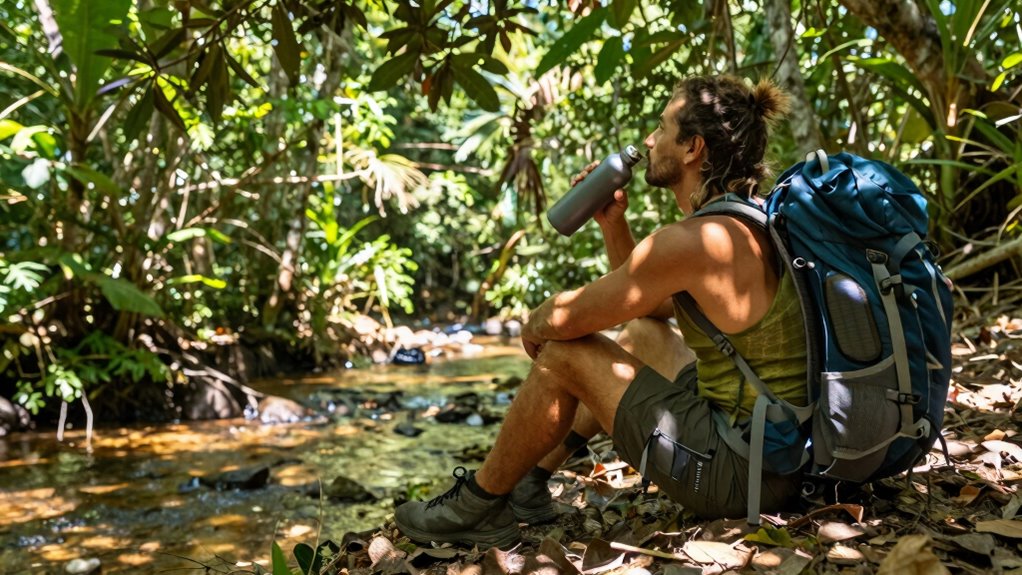
When exploring the natural beauty of Guanacaste, safeguarding water is essential to protect the environment and ensure sustainable adventures. You can reduce waste by implementing simple strategies during outdoor activities. First, collect rainwater through rainwater harvesting systems to water plants or clean gear. Second, choose water-efficient landscaping around campsites or outdoor areas to minimize water use. Third, carry reusable bottles and avoid single-use plastics to cut down on waste. Fourth, plan activities that require minimal water, like hiking or birdwatching, instead of water-intensive pursuits. These tips help conserve water resources and preserve Guanacaste’s stunning environment while you enjoy your outdoor adventures responsibly. Being mindful of water use guarantees everyone can appreciate the region’s natural beauty for years to come.
Managing Laundry and Dishwashing to Save Water

Managing laundry and dishwashing efficiently can considerably reduce water consumption during your Guanacaste adventure. Use water-efficient appliances whenever possible, such as high-efficiency washing machines and dishwashers, to cut down on water use. Opt for eco-friendly detergents that are effective in small amounts, reducing the need for multiple washes and minimizing chemical runoff. Wash full loads to maximize efficiency and avoid partial loads, which waste water and energy. When hand-washing dishes, use a basin or fill the sink instead of letting the tap run continuously. Scrape rather than rinse dishes before washing, and reuse rinse water for plants if safe. These small adjustments help you stay cool without wasting water, making your trip more sustainable.
How to Reduce Waste and Avoid Single-Use Plastics?

Ever wondered how your choices can make a difference in reducing waste during your Guanacaste trip? You can easily cut down on plastic waste by avoiding single-use plastics. Here are four simple steps:
Small choices in Guanacaste can significantly reduce plastic waste—bring reusable bags, bottles, and eco-friendly products.
- Bring reusable bags instead of plastic bags for shopping.
- Carry a refillable water bottle to replace disposable bottles.
- Use travel utensils and containers instead of disposable ones.
- Choose eco-friendly products with minimal packaging.
Apps and Resources to Help You Conserve Water During Your Trip
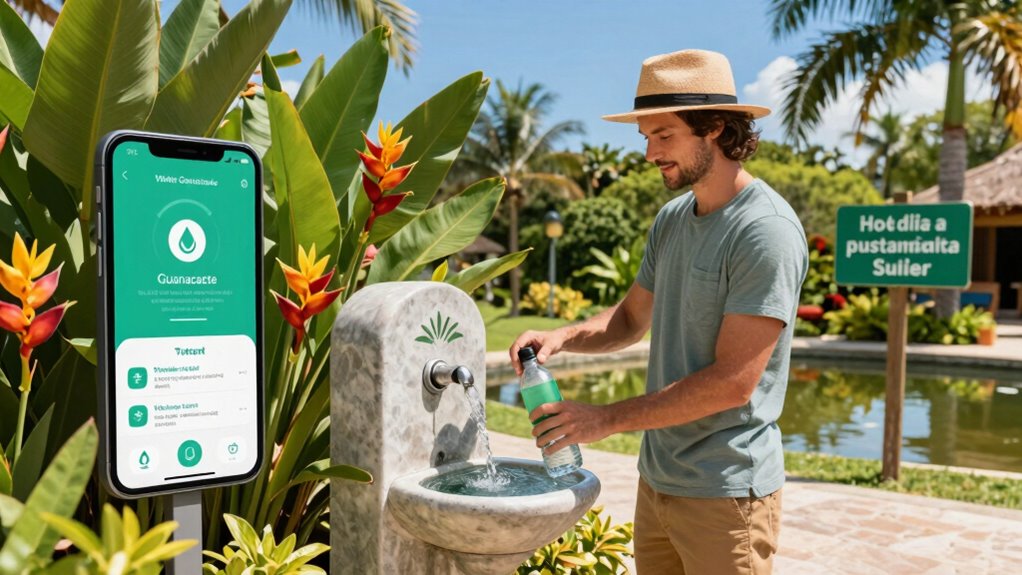
To effectively conserve water during your trip, take advantage of apps and online resources designed to monitor usage and provide practical tips. Smartphone apps can track your water consumption in real-time, alerting you to waste and suggesting simple adjustments. Water-saving gadgets, like low-flow showerheads, can complement these tools, maximizing efficiency. Use apps such as WaterSmart or Drop to set goals and monitor progress effortlessly. Additionally, explore online resources offering tips on reducing water use, like turning off taps when not in use or reusing greywater. Incorporating these tools helps you stay mindful of your water footprint and makes conservation easy. Here’s a quick overview:
| Apps & Gadgets | Benefits |
|---|---|
| WaterSmart | Tracks usage, offers conservation tips |
| Drop | Sets goals, sends alerts for waste |
| Low-flow showerheads | Reduce water flow without sacrificing comfort |
| Leak detectors | Identify leaks early to prevent waste |
| Online guides | Provide practical water-saving strategies |
Frequently Asked Questions
Are There Specific Water Conservation Certifications for Guanacaste Accommodations?
Yes, some eco-friendly accommodations in Guanacaste hold water conservation certifications like Rainforest Alliance or Green Key. These certifications guarantee that the hotels implement sustainable practices, including water-saving measures. When you choose certified accommodations, you support efforts to conserve water and reduce waste. Always look for these certifications to stay in places committed to water efficiency, helping you enjoy your trip responsibly while minimizing environmental impact.
How Does Water Conservation Impact Local Wildlife and Ecosystems?
Water conservation helps protect local wildlife and ecosystems by preserving wetlands, which are essential for aquatic biodiversity. When you conserve water, you reduce stress on these ecosystems, ensuring they remain healthy and support diverse species. By minimizing water waste, you help maintain natural habitats, keep wetlands thriving, and support the rich aquatic life that depends on clean, ample water sources. Your efforts directly contribute to the sustainability of Guanacaste’s unique environment.
Can I Participate in Water-Saving Community Programs While Visiting?
Yes, you can participate in water-saving community programs during your visit. Did you know that community engagement initiatives can reduce water use by up to 30%? You’ll find volunteer opportunities that let you actively contribute to local conservation efforts. By joining these programs, you help protect ecosystems and support sustainable tourism, making your trip more meaningful and eco-friendly. Your participation truly makes a difference in conserving Guanacaste’s precious water resources.
What Are the Costs Associated With Eco-Friendly Water Practices in Resorts?
The costs of eco-friendly amenities and water-saving technologies in resorts vary, but they often lead to long-term savings. You might notice a slightly higher initial price, but these investments reduce water bills and environmental impact. Resorts implementing water-saving technologies, like low-flow fixtures, and eco-friendly amenities typically include these costs in their overall rates, making your stay both sustainable and cost-effective while you enjoy responsible travel.
How Do Water-Saving Tips Vary Between Dry and Rainy Seasons?
In dry seasons, you should focus on seasonal adjustments like limiting water use and utilizing rainwater harvesting to conserve resources. During rainy seasons, you can adapt by capturing rainwater for non-potable needs, reducing strain on water supplies. By shifting your habits based on seasonality, you help save water year-round. These simple strategies guarantee you stay cool while supporting eco-friendly practices, regardless of the weather.
Conclusion
Think of your trip to Guanacaste as tending a delicate garden—you’re the gardener, and water is the life. By conserving water, you nurture this vibrant paradise, ensuring it thrives for future visitors. Even small actions, like turning off taps or reusing towels, make a big difference—kind of like saving a single drop that can fill an ocean. Stay mindful, and your journey will leave a positive ripple in this beautiful, water-wise destination.