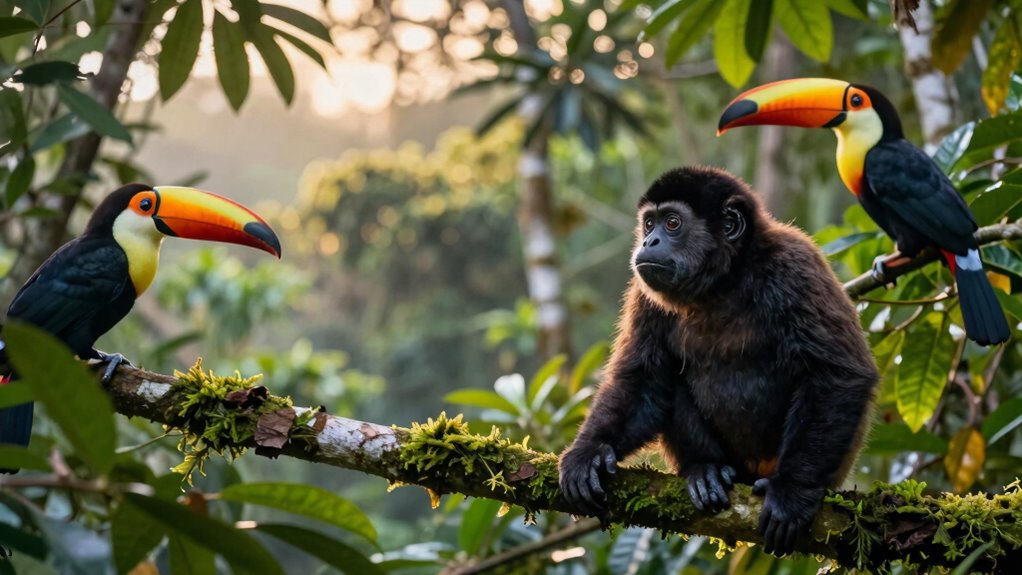

To handle Costa Rica’s wildlife popularity more ethically, you should observe animals from a respectful distance using binoculars or zoom lenses, avoiding feeding or touching them. Choose eco-friendly tour operators that prioritize conservation efforts and follow park rules. Practice responsible photography without flash and stay on designated trails to prevent habitat damage. Supporting community-based initiatives and staying informed about local laws helps protect the environment. Keep learning on how to make your wildlife encounters more sustainable and respectful.

Get travel and outdoor gear delivered free — and shop member deals
- Fast, free delivery on millions of items
- Access to Prime Big Deal Days deals on October 6–7
- Prime Video, Amazon Music and more included
Key Takeaways
- Respect wildlife by maintaining distance and using binoculars or zoom lenses for viewing animals.
- Choose eco-friendly tours that prioritize conservation and follow park regulations strictly.
- Avoid feeding or touching wild animals to prevent disrupting their natural behaviors.
- Stick to designated trails and avoid habitat degradation to minimize human impact.
- Support local conservation initiatives and stay informed about wildlife protection laws.
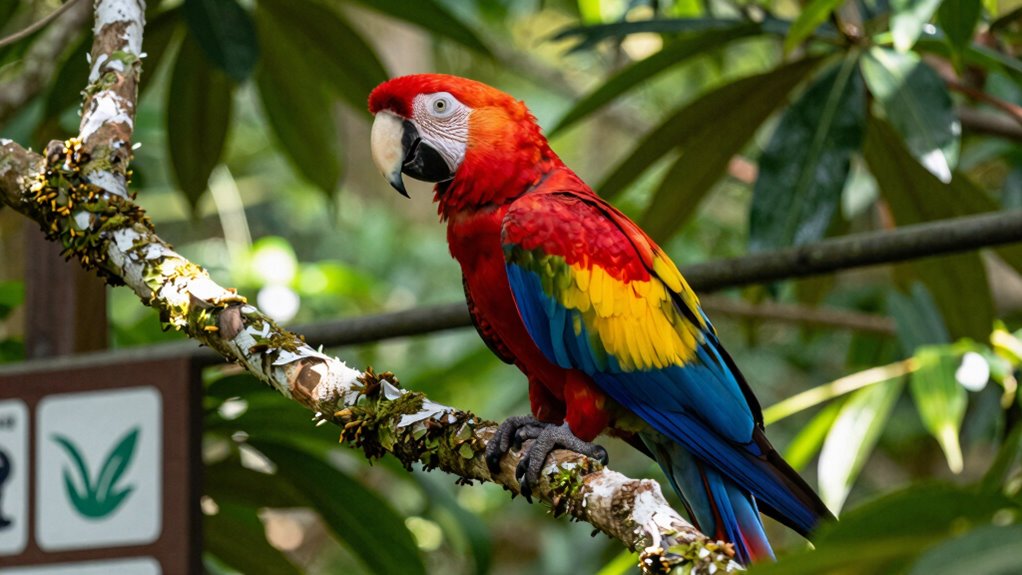
Costa Rica’s rich biodiversity attracts many visitors keen to experience its stunning wildlife, but it’s essential to handle these creatures ethically. When you explore the country’s lush rainforests, beaches, and cloud forests, your actions can considerably impact local ecosystems. Practicing wildlife conservation means respecting animals’ natural behaviors and habitats, ensuring that your presence doesn’t cause undue stress or harm. Ethical tourism involves making conscious choices that prioritize the well-being of the wildlife and support sustainable practices within local communities.
One of the most important things you can do is avoid disturbing animals. Keep a respectful distance, use binoculars or zoom lenses for viewing, and never attempt to feed or touch wild creatures. Feeding animals disrupts their natural foraging habits and may lead to dependency on human food or aggressive behaviors. Instead, observe quietly and let nature unfold on its own terms. By doing so, you help maintain the animals’ natural routines and reduce the risk of habituation to humans, which can be dangerous for both animals and visitors. Recognizing the importance of wildlife habitats helps in understanding how your actions can influence long-term conservation efforts.
Respect animals’ space, use binoculars, and avoid feeding to protect their natural behaviors and habitats.
Choose eco-friendly tour operators who prioritize wildlife conservation and ethical tourism. These providers often follow strict guidelines that minimize environmental impact, such as limiting group sizes, avoiding noisy equipment, and ensuring that excursions do not interfere with wildlife. Supporting these operators means your money goes toward preserving Costa Rica’s natural resources and promoting community-based conservation initiatives. Additionally, many parks and reserves have rules designed to protect wildlife; always adhere to these regulations and follow park rangers’ instructions.
When photographing wildlife, remember that flash photography can startle animals and cause stress. Use natural light whenever possible, and never chase or corner animals for a better shot. Your goal should be to observe and enjoy the creatures without causing them discomfort or disturbance. Also, consider the broader impact of your visit—leave no trace by disposing of waste properly and sticking to designated trails to prevent habitat degradation. Being aware of local conservation laws, animal behavior, and the broader context of biodiversity preservation can greatly enhance your ability to observe wildlife responsibly and respectfully. Recognizing the significance of sustainable tourism practices further emphasizes the importance of responsible travel choices.
Ultimately, handling Costa Rica’s wildlife ethically enhances your experience and helps preserve the country’s incredible biodiversity for future generations. Your choices matter, so commit to practices that support wildlife conservation and promote ethical tourism. By respecting animals’ space, supporting sustainable operators, and staying conscious of your environmental footprint, you contribute to a responsible and enriching adventure in this tropical paradise. Remember, a truly memorable encounter with Costa Rica’s wildlife is one that respects and protects the natural world around you.
As an affiliate, we earn on qualifying purchases.
Frequently Asked Questions
Are There Specific Laws Protecting Costa Rica’s Wildlife?
Yes, Costa Rica has specific laws protecting its wildlife. You should be aware of wildlife legislation that bans illegal hunting and trading of animals. The country enforces conservation policies aimed at preserving biodiversity and habitats. By following these laws, you contribute to ethical tourism. Always respect protected areas and species, and support organizations that promote wildlife conservation, ensuring your visit helps maintain Costa Rica’s rich ecosystems for future generations.
How Can Tourists Identify Ethical Wildlife Tour Operators?
You can identify ethical wildlife tour operators by checking their commitment to wildlife ethics and tour operator standards. Look for operators who prioritize conservation, respect animal habitats, and promote responsible viewing practices. Research reviews and ask about their policies on minimizing environmental impact. Ethical operators are transparent about their practices, support local communities, and avoid exploitative activities. Choosing such operators guarantees your wildlife experience benefits conservation efforts and respects Costa Rica’s rich biodiversity.
What Are the Impacts of Feeding Wild Animals?
Feeding wild animals is like planting false hope in their hearts—disrupting their natural rhythm. Your wildlife feeding can lead to habitat disturbance, making animals dependent on human handouts instead of their instincts. It strips away their survival skills, turning vibrant ecosystems into fragile stages of imbalance. By avoiding wildlife feeding, you protect their habitats, ensuring they thrive naturally without human interference, preserving Costa Rica’s breathtaking biodiversity for generations to come.
Can I Volunteer Ethically With Wildlife Conservation Efforts?
Yes, you can volunteer ethically with wildlife conservation efforts by following wildlife ethics and volunteer guidelines. Always respect animals’ natural behaviors and habitats, avoiding direct contact or feeding. Support reputable organizations that prioritize conservation and education over entertainment. Before volunteering, research their methods to guarantee they promote ethical practices. Your responsible involvement helps protect Costa Rica’s unique wildlife without disrupting their natural ecosystems or causing unintended harm.
How Do Local Communities Benefit From Wildlife Tourism?
Imagine a thriving symphony where local communities are the harmonious conductors. By engaging with wildlife habitats through sustainable tourism, you help guarantee they benefit directly, fostering economic growth and preserving natural beauty. Community engagement creates opportunities like eco-lodges and guided tours, empowering locals and encouraging conservation. Your visit becomes more than sightseeing—it’s a partnership that sustains wildlife, supports livelihoods, and keeps Costa Rica’s rich biodiversity alive for generations to come.
Conclusion
Remember, just like the ancient explorers who marveled at Costa Rica’s treasures without disturbing them, you too can be a steward of its wildlife. By respecting their space and choosing ethical tours, you become part of the story of preservation rather than exploitation. Embrace the wonder responsibly, and you’ll guarantee that future generations can also marvel at nature’s masterpiece—Costa Rica’s vibrant ecosystem—without leaving a shadow behind. Your mindful actions today shape their tomorrow.
Fall Picks
fall essentials
As an affiliate, we earn on qualifying purchases.