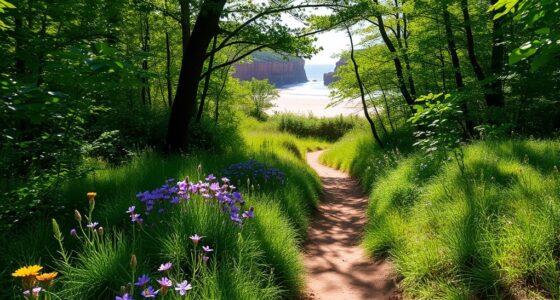
When you’re wildlife viewing in Jasper National Park, remember it’s the animals’ home. Keep a safe distance—at least 100 meters from large animals—and use binoculars for a closer look. Don’t feed the wildlife; it harms their health and changes their natural behaviors. Keep noise down and move calmly to avoid startling them. Following these guidelines helps protect their habitat for future visitors. Curious about more tips? There’s plenty more to discover!

Get travel and outdoor gear delivered free with Prime
- Fast, free delivery on millions of items
- Prime Video, Amazon Music and more included
- Member-only deals all year
Key Takeaways
- Respect wildlife by observing from a distance; remember that the park is their home, not a zoo.
- Never feed animals, as it disrupts their natural foraging instincts and can lead to health issues.
- Maintain at least 100 meters distance from large animals to ensure safety for both wildlife and visitors.
- Keep noise levels low and move calmly to avoid startling animals and preserve the environment’s tranquility.
- Adhere to park regulations and respect wildlife space to support ecosystem preservation and future wildlife enjoyment.
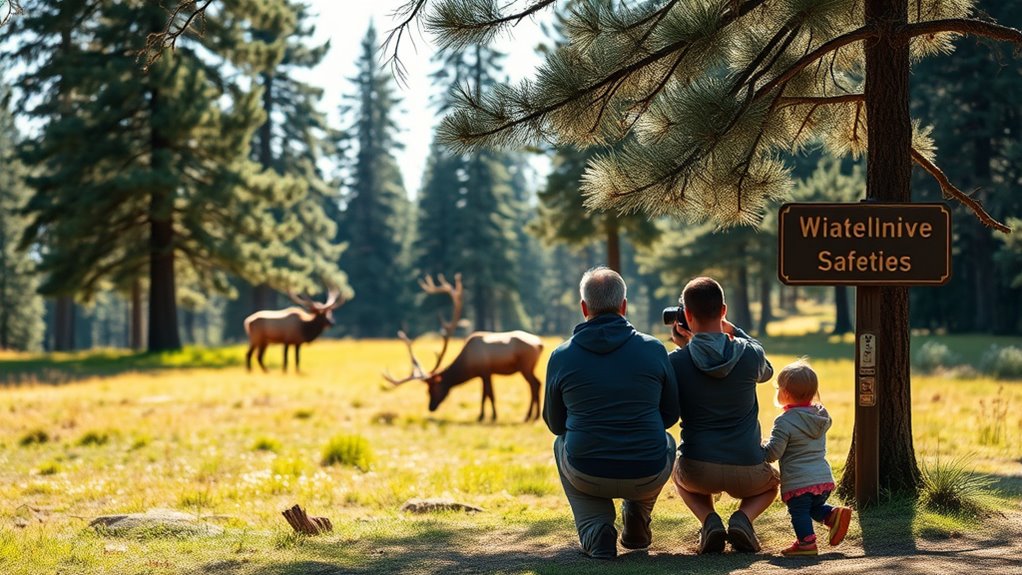
When you venture into Jasper National Park, it’s vital to remember that you’re a guest in the animals’ home. The park is teeming with wildlife, from playful squirrels to majestic elk. As you explore, you’ll likely encounter these creatures in their natural habitat, which presents a unique opportunity to observe and appreciate them. However, it’s imperative to approach wildlife viewing with respect and responsibility.
One of the most important rules is to never feed wildlife. It might be tempting to toss a piece of food to a curious deer or a cheeky bird, but doing so can harm both you and the animals. Feeding wildlife disrupts their natural foraging instincts and can lead to dependency on human food, which isn’t healthy for them. Animals that begin to associate people with food can become aggressive, posing a danger to themselves and to visitors. By resisting the urge to feed wildlife, you help guarantee that these animals remain wild and self-sufficient.
Never feed wildlife; it disrupts their instincts and can make them aggressive, endangering both animals and visitors.
Maintaining distance is another key aspect of wildlife viewing etiquette. When you spot an animal, it’s best to keep a safe distance. Use binoculars or a zoom lens to get a closer look without intruding on their space. Many animals, such as bears and moose, can be unpredictable, especially if they feel threatened. Approaching too closely can create stress for the animal and may provoke defensive behaviors. As a general rule, try to stay at least 100 meters away from larger animals. This distance not only keeps you safe but also allows the animals to continue their natural behaviors without disruption.
In addition to keeping your distance, be mindful of your noise levels. Animals are sensitive to sound, and loud voices or sudden movements can startle them. Speak softly and move calmly, taking care not to disturb their environment. When observing wildlife, remember to enjoy the moment quietly, allowing yourself to absorb the beauty and majesty of nature.
Lastly, be sure to follow park regulations and guidelines regarding wildlife viewing. These rules are in place to protect both you and the animals. By respecting their space and refraining from feeding them, you contribute to the preservation of Jasper National Park’s delicate ecosystem. Additionally, understanding the importance of natural foraging instincts can enhance your appreciation for wildlife behavior. Enjoy your time in this stunning park, and appreciate the wildlife responsibly. Your adherence to these guidelines guarantees that future generations can also experience the wonder of nature.
Frequently Asked Questions
What Are the Best Times for Wildlife Viewing in Jasper National Park?
The best times for wildlife viewing in Jasper National Park are during the early morning and late evening, especially in spring and fall, when animals are most active. You’ll spot elk, deer, and bears more easily during these seasons. So, grab your binoculars and get out there just after sunrise or just before sunset. Don’t forget your camera—you’ll want to capture those incredible moments! Enjoy your adventure in this stunning natural landscape!
Are There Any Specific Areas Known for Wildlife Sightings?
Yes, there are several wildlife hotspots in Jasper National Park. Look for areas like Maligne Canyon, Medicine Lake, and the Athabasca River valley. These spots often provide excellent wildlife sightings, especially at dawn or dusk. Remember to follow viewing guidelines: keep a safe distance, stay in your vehicle, and avoid disturbing the animals. By doing this, you’ll enhance your experience while ensuring the safety of both you and the wildlife.
Can I Bring My Pet While Wildlife Viewing?
You can’t bring your pet while wildlife viewing in Jasper National Park. Park regulations prioritize both pet safety and the well-being of wildlife. Pets can disturb animals and pose risks to themselves, especially in areas inhabited by larger wildlife. If you want to enjoy the park, consider leaving your pet at home or in designated pet-friendly areas to guarantee a safe experience for everyone involved.
What Should I Do if I Encounter a Bear?
If you happen upon a bear, don’t panic! Your bear safety comes first. Stand your ground, make yourself appear bigger, and talk calmly. Back away slowly without turning your back. It’s vital to be encounter prepared; keep your distance and avoid sudden movements. If the bear approaches, use bear spray if you have it. Remember, you’re in their territory, so respect their space, and enjoy the moment from a safe distance.
Is There a Fee for Wildlife Viewing in the Park?
No, there isn’t a specific fee for wildlife viewing in the park beyond the park entrance fee. When you pay that fee, you can enjoy all the natural beauty and wildlife without extra costs. However, if you plan to participate in certain guided tours or special programs, you might need a wildlife viewing permit. Always check the park’s official website for the latest information and any potential changes to fees or requirements.
Conclusion
As you venture through Jasper’s wild tapestry, remember you’re but a guest in nature’s grand theater. Keep your distance, like a respectful audience, and let the animals take the stage without interruption. Just as a gentle breeze nurtures the trees, your quiet presence allows the wildlife to thrive. By honoring their space, you become part of the harmony, weaving yourself into the fabric of this stunning landscape. So step lightly, and cherish the beauty that surrounds you.
Fall Picks
fall essentials
As an affiliate, we earn on qualifying purchases.