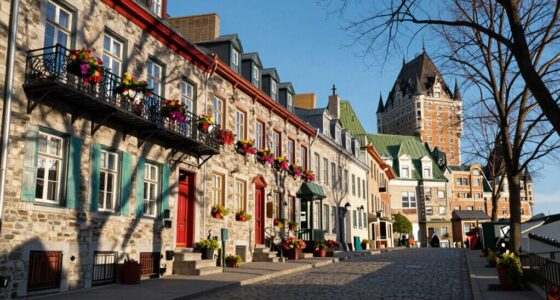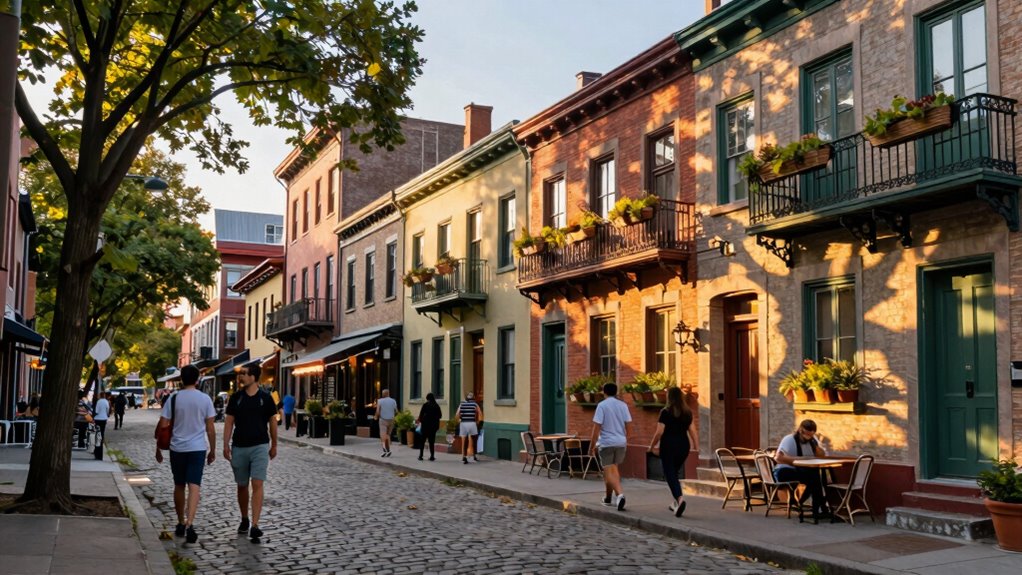

Montreal is a walker’s paradise thanks to its well-planned neighborhoods and vibrant street life. You can explore historic Old Montreal, colorful Plateau, and lively Mile End on foot with ease. The city’s thoughtful urban design makes navigation simple, while local businesses and hidden gems invite genuine connections. Combining walking with public transit helps you cover more ground effortlessly. Stick around, and you’ll discover even more ways Montreal’s neighborhoods make walking an unforgettable experience.

Get travel and outdoor gear delivered free with Prime
- Fast, free delivery on millions of items
- Prime Video, Amazon Music and more included
- Member-only deals all year
Key Takeaways
- Montreal’s well-planned layout and pedestrian-friendly streets encourage exploration on foot.
- Neighborhoods like Old Montreal, Plateau, and Mile End offer unique, walkable cultural and historic experiences.
- Walking combined with public transit provides comprehensive access to city attractions efficiently.
- Local businesses and vibrant streets enhance authentic neighborhood immersion for walkers.
- Montreal’s urban design promotes seamless transitions between neighborhoods, enriching the pedestrian experience.
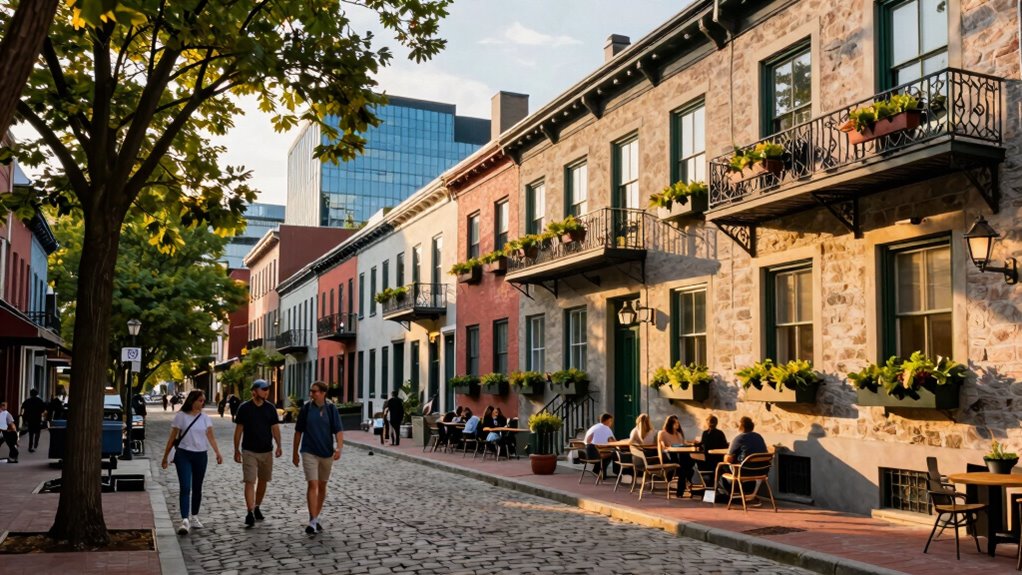
Are you looking for a city that invites exploration on foot? Montreal is a perfect choice, especially if you love discovering new places at your own pace. While public transportation is reliable and extensive, it’s walking that truly reveals the city’s charm. Strolling through its neighborhoods, you’ll find yourself immersed in local culture, uncovering hidden gems, and appreciating the city’s unique character. Montreal’s well-planned layout makes it easy to navigate on foot, with vibrant streets and inviting sidewalks leading you from one local landmark to the next. Each neighborhood has its own personality, from the historic Old Montreal with its cobblestone streets to the trendy Plateau with colorful murals and lively cafes.
Public transportation certainly complements your walking adventures, making it easier to reach farther destinations without losing momentum. The metro system connects key parts of the city efficiently, while buses fill in the gaps, allowing you to venture beyond the core areas. However, the real magic happens when you wander on foot, stopping at local landmarks that tell the story of Montreal’s rich history and diverse community. Walking allows you to appreciate the architecture, hear snippets of conversations in different languages, and feel the rhythm of daily life. Additionally, urban planning in Montreal promotes walkability, making it easier than ever to explore on foot. This thoughtful urban design encourages a pedestrian-friendly environment, enhancing the overall walkability of the city.
Montreal’s neighborhoods are designed for exploration, with each corner offering something new. In the Latin Quarter, you can soak up university energy and historic sites, while in Mile End, you discover indie shops, cozy bakeries, and street art. The distance between these areas is manageable, encouraging you to take your time and really connect with your surroundings. When you walk, you’ll also notice that local businesses often cater to pedestrians, enhancing the walkability of the city and making each step more enjoyable. As you walk, you’ll notice that locals often prefer the same approach, making the city feel welcoming and accessible. This neighborhood-focused approach to touring ensures you experience Montreal authentically, beyond the typical tourist spots. With a combination of public transportation and your own two feet, you gain a deeper understanding of what makes this city so vibrant and alive, making each walk a memorable part of your adventure.
comfortable walking shoes for city exploration
As an affiliate, we earn on qualifying purchases.
As an affiliate, we earn on qualifying purchases.
Frequently Asked Questions
How Do Local Residents Feel About the Neighborhood-Focused Approach?
You’ll find that local residents appreciate the neighborhood-focused approach because it boosts community engagement and makes streets safer for pedestrians. They feel more connected and involved when planning and improvements happen close to home. As pedestrian safety improves, they enjoy safer, more walkable streets, which encourages outdoor activities and social interactions. Overall, residents see this approach as a positive step toward building stronger, healthier communities where everyone feels valued and protected.
What Are the Main Challenges in Implementing This Strategy?
You face hurdles in urban planning and community engagement that threaten to derail your strategy. Resistance from residents wary of change and bureaucratic delays cast shadows over your efforts. Steering through diverse neighborhood needs while maintaining cohesive development demands delicate balancing. Each step forward reveals new complexities, making it clear that success hinges on overcoming these challenges, fostering trust, and ensuring everyone feels part of the transformation.
How Does This Approach Impact Local Businesses?
This approach boosts local economic growth by encouraging foot traffic and supporting neighborhood businesses. You’ll see increased sales as more pedestrians visit shops and cafes, creating a vibrant community atmosphere. Community engagement deepens as residents feel involved in local development efforts, fostering loyalty and collaboration. Overall, this strategy makes your neighborhood more dynamic, helping local businesses thrive while strengthening the sense of community that benefits everyone.
Are There Specific Neighborhoods That Benefit Most?
Certain neighborhoods experience more significant benefits from community engagement and urban revitalization. You’ll notice that areas with active pedestrian pathways and vibrant local ventures flourish, fueling local economies and fostering community pride. These neighborhoods, often bustling with walkers, see heightened foot traffic, increased business, and a revitalized vibe. Your participation amplifies this impact, turning neighborhoods into lively, welcoming hubs where community spirit and commerce thrive together, transforming urban spaces into vibrant, vivacious villages.
How Is Success Measured in This Approach?
You measure success through increased community engagement and positive urban renewal outcomes. As residents participate more actively, neighborhoods see revitalization, improved safety, and stronger local identities. Success also means seeing more walkable streets, vibrant public spaces, and sustained collaboration among community members. By tracking these changes, you can determine if your efforts foster lasting improvements, making neighborhoods more welcoming and connected through ongoing engagement and thoughtful urban renewal.
Conclusion
So, lace up your shoes and let Montreal’s neighborhoods unfold beneath your steps like a vibrant tapestry. With each stride, you’ll taste the city’s heartbeat—its history, its quirks, its soul. Walking isn’t just a way to see Montreal; it’s a dance through its stories, a toast to its charm. Embrace the neighborhood approach, and watch as the city reveals itself, one enthralling corner at a time—an open book waiting to be explored with enthusiastic footsteps.
Halloween Picks
halloween
As an affiliate, we earn on qualifying purchases.