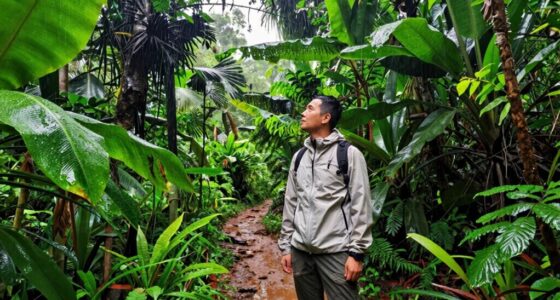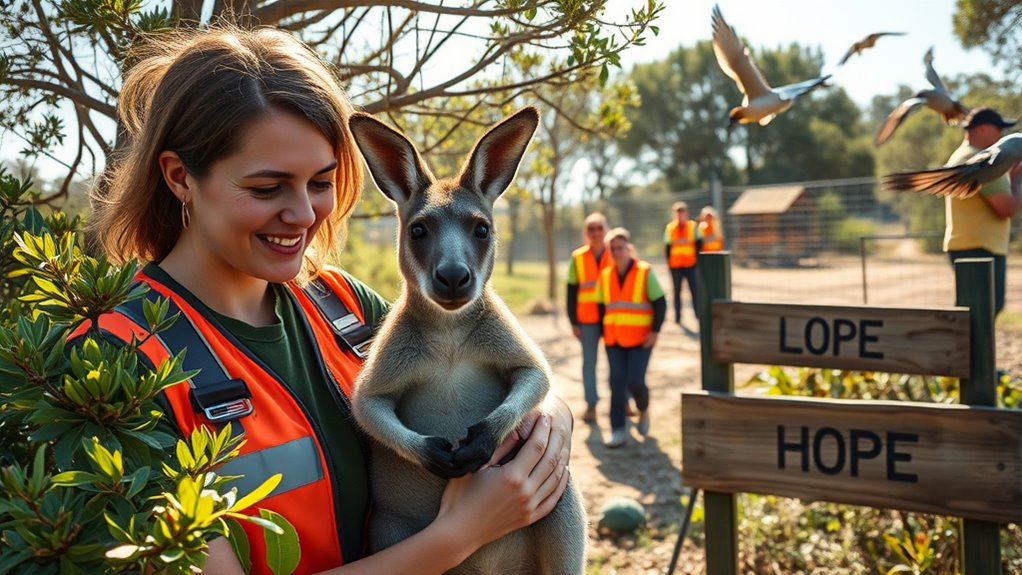

Volunteering in wildlife conservation on Kangaroo Island lets you actively protect unique ecosystems, native species, and habitats. You can help with habitat restoration, invasive species removal, and community outreach. Strong communication, a passion for wildlife, and teamwork are key qualities to bring. Whether you’re experienced or new, opportunities are available for everyone willing to get involved. Keep exploring to discover how you can make a meaningful impact on this precious environment.

Get travel and outdoor gear delivered free with Prime
- Fast, free delivery on millions of items
- Prime Video, Amazon Music and more included
- Member-only deals all year
Key Takeaways
- Volunteer opportunities include habitat restoration, invasive species removal, wildlife surveys, and community outreach programs on Kangaroo Island.
- No formal qualifications are required; physical fitness, passion, and a proactive attitude are essential for hands-on conservation work.
- Participating in local organizations and attending info sessions or open days helps volunteers understand current projects and roles.
- Skills developed include native plant planting, invasive species control, ecological monitoring, and community engagement.
- Volunteering supports protecting endangered species like the Kangaroo Island dunnart and Glossy Black Cockatoo while gaining valuable experience.
Understanding Kangaroo Island’s Unique Ecosystems
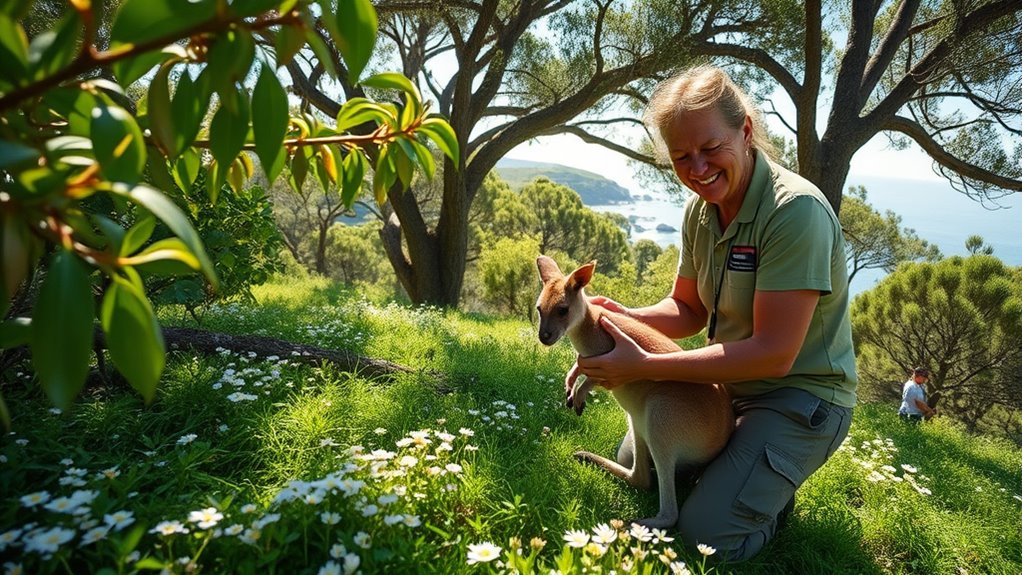
Kangaroo Island boasts a remarkable diversity of ecosystems that set it apart from mainland Australia. You’ll notice lush forests, coastal dunes, and inland wetlands, each supporting unique wildlife. However, invasive species threaten these fragile habitats, competing with native plants and animals for resources. As a volunteer, you’ll play a crucial role in habitat restoration, helping to remove invasive plants and re-establish natural ecosystems. Your efforts help preserve the island’s native biodiversity and maintain ecological balance. Understanding these ecosystems enables you to appreciate their importance and the urgent need for conservation. By participating in habitat restoration projects, you directly contribute to protecting Kangaroo Island’s natural heritage, ensuring these ecosystems thrive for generations to come. Ecological balance is essential for maintaining the health of these diverse habitats and supporting native species. Additionally, understanding the threats to native habitats can guide effective conservation strategies. Recognizing the importance of species diversity further underscores the need for ongoing preservation efforts. Promoting biodiversity hotspots on the island can help prioritize conservation actions and allocate resources effectively. Moreover, recognizing the significance of ecological connectivity can enhance the effectiveness of habitat restoration initiatives.
Key Species and Conservation Priorities
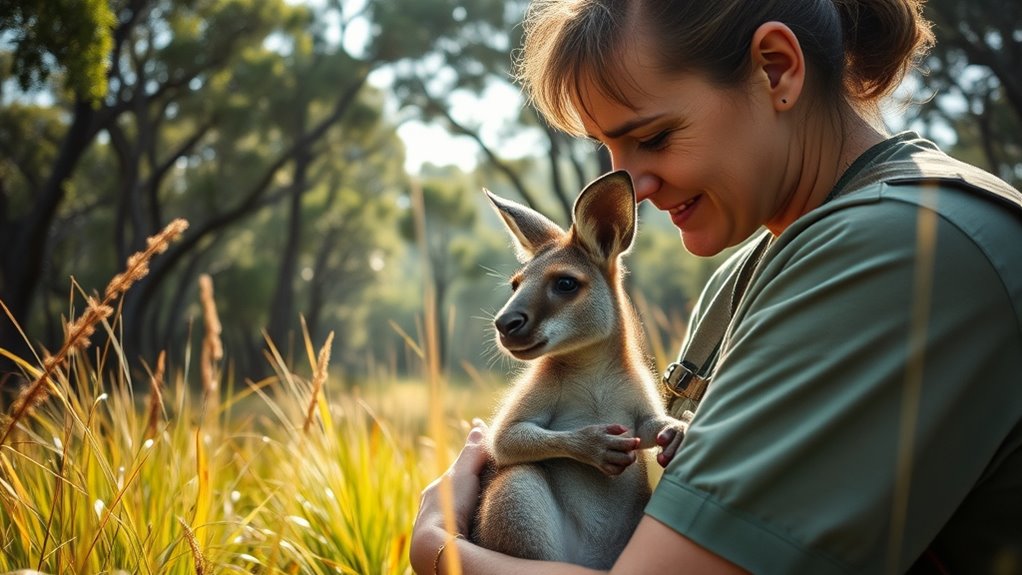
Several species on Kangaroo Island are essential to maintaining its ecological balance, making their conservation a top priority. Your efforts focus on protecting key species like the Kangaroo Island dunnart and the Glossy Black Cockatoo. To support this, you’ll help with:
- Habitat restoration — restoring native plant communities to provide shelter and food. Restoring these habitats is crucial for the survival of many native species and helps promote biodiversity.
- Protecting native predators — ensuring their populations stay stable to control prey species naturally. Maintaining healthy predator populations can prevent overgrazing and support ecosystem stability.
- Controlling invasive species — removing non-native plants and animals that threaten native habitats. Invasive species management often involves species control programs that require careful planning and community involvement.
- Native Australian dog names, such as those inspired by Irish dog names, can be a great way to honor local wildlife and culture.
Types of Volunteer Opportunities Available
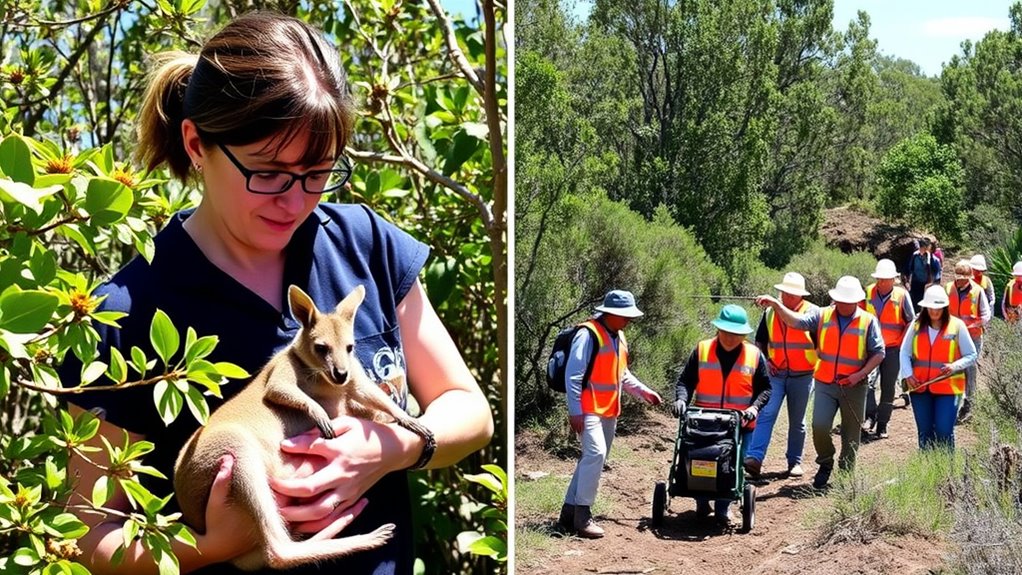
Volunteering on Kangaroo Island offers a variety of hands-on opportunities to make a real impact. You can participate in habitat restoration projects, such as planting native trees, removing invasive species, and rehabilitating degraded areas to support local wildlife. These efforts help rebuild ecosystems and protect vulnerable species. Additionally, community outreach programs let you engage with locals and visitors, raising awareness about conservation challenges and encouraging sustainable practices. You might assist in educational workshops, organize wildlife surveys, or help distribute informational materials. Both habitat restoration and community outreach give you a chance to directly contribute to the island’s ecological health while fostering a greater understanding among the community and visitors. These opportunities allow you to actively support Kangaroo Island’s unique environment. Understanding local conservation needs can help you tailor your efforts for maximum impact, especially by recognizing how invasive species control plays a crucial role in protecting native habitats.
Skills and Qualities Needed for Conservation Work
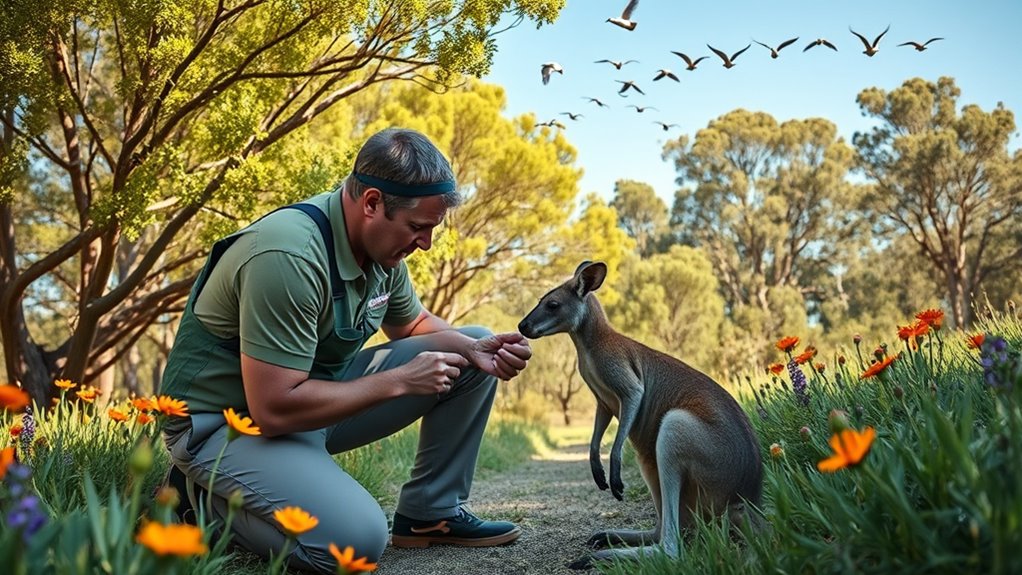
To succeed in conservation work, you need a genuine passion for wildlife that drives your commitment. Strong communication skills help you collaborate effectively with team members and local communities, while adaptability and resilience allow you to handle unexpected challenges. Developing these qualities will make your volunteering experience more impactful and rewarding. Additionally, understanding best practices in conservation technology can enhance your effectiveness and contribution to protecting native species. Embracing holistic healing practices from yoga can also improve your mental resilience and emotional well-being during challenging conservation efforts. Cultivating a positive vibrational energy can further support your motivation and connection to the natural world throughout your volunteer journey. Practicing proper candle pouring techniques can teach patience and precision, qualities valuable in conservation tasks. Moreover, staying informed about effective conservation strategies can help you implement innovative solutions in your projects.
Passion for Wildlife
What drives someone to dedicate themselves to wildlife conservation? Usually, it’s a genuine passion for protecting nature and a desire to make a difference. To succeed, you need certain qualities, such as:
- Dedication: You’ll face challenges like urban development and tourist impact, so staying committed is key.
- Resilience: Conservation work can be tough emotionally and physically, but persistence keeps you going.
- Empathy: Understanding animal needs and respecting their habitats helps you connect deeply with wildlife.
- Knowledge of environmental protection practices enhances your effectiveness in conservation efforts. Additionally, understanding the support hours of local organizations can be crucial for coordinating efforts and volunteering effectively. Developing organizational skills can also improve your ability to manage multiple projects and responsibilities efficiently. Gaining familiarity with sound recording techniques and equipment can be beneficial if documenting species or habitats to support conservation initiatives. Having a passion for wildlife fuels your motivation, especially when confronting threats from expanding urban areas or increasing tourism. Your enthusiasm and commitment help create meaningful change on Kangaroo Island.
Strong Communication Skills
Effective communication is vital in conservation work because it enables you to share your passion, educate others, and build support for protecting wildlife. To do this well, you need effective listening—paying close attention to colleagues, community members, and even local wildlife experts. This helps you understand different perspectives and gather important information. Additionally, clear articulation is essential when explaining conservation goals, research findings, or safety procedures. When you communicate clearly, others understand your message and can act accordingly. Strong communication skills also help resolve conflicts and foster teamwork, making your efforts more effective. Remember, conservation isn’t just about what you know; it’s about how well you can share that knowledge with others to inspire action and change.
Adaptability and Resilience
Adaptability and resilience are essential qualities for anyone involved in wildlife conservation, especially in dynamic environments like Kangaroo Island. Success depends on your ability to respond to changing conditions and support species adaptation. To thrive in this setting, focus on three key areas:
- Embracing change to accommodate shifts in species behavior or habitat conditions.
- Building environmental resilience by developing strategies that protect ecosystems from stressors like climate change.
- Remaining flexible when new challenges arise, such as unexpected weather events or invasive species.
How to Get Involved and Join Projects
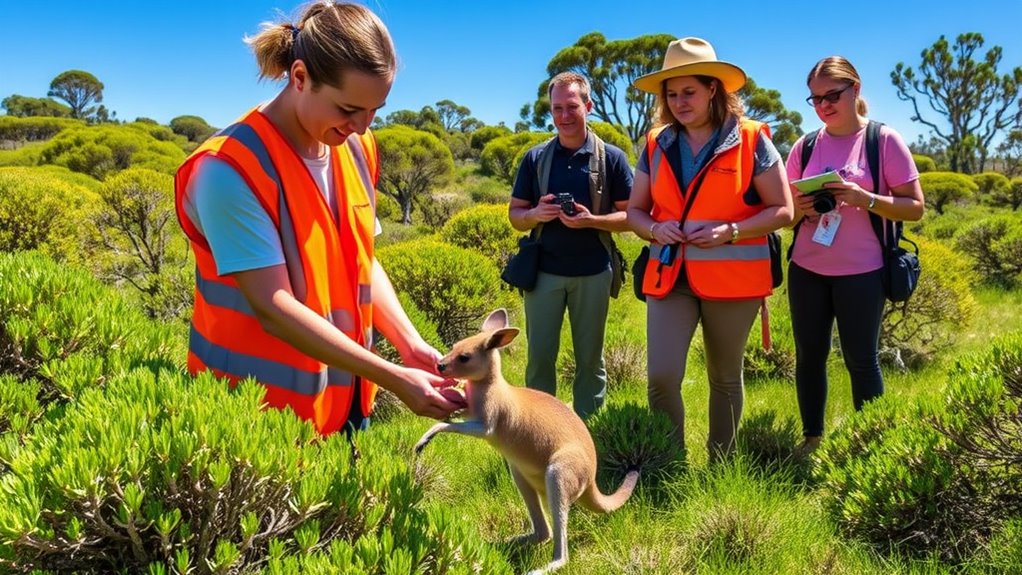
To get involved, start by finding volunteer opportunities that match your interests and skills. Make sure you meet the project requirements and have the necessary qualifications. Once you’re ready, apply and take the first step toward making a real difference on Kangaroo Island.
Find Volunteer Opportunities
Wondering how you can get involved in wildlife conservation on Kangaroo Island? Start by researching local organizations that offer volunteer opportunities focused on community outreach and habitat restoration. Here are three steps to find the right fit:
- Check organization websites for current projects and volunteer roles, noting any requirements for volunteer training.
- Contact groups directly to ask about upcoming community outreach events or conservation initiatives.
- Attend info sessions or open days to learn more about their work and how you can contribute effectively.
Getting involved is easier when you understand what’s needed, so don’t hesitate to ask about volunteer training sessions that prepare you for hands-on work. This way, you’ll be ready to make a meaningful impact during your volunteer experience.
Meet Requirements & Skills
Before you can join wildlife conservation projects on Kangaroo Island, you’ll need to meet specific requirements and develop relevant skills. Many projects focus on habitat restoration, so a basic understanding of local ecosystems helps. You should be comfortable working outdoors in various weather conditions. Experience with invasive species removal is valuable, as controlling these threats is vital for native species. While formal qualifications aren’t always necessary, having some knowledge of ecological principles or prior volunteering experience boosts your chances. Physical fitness is important, especially for activities like planting native vegetation or removing invasive plants. Flexibility, willingness to learn, and a proactive attitude are essential. By preparing yourself with these skills and knowledge, you’ll be ready to contribute effectively to conservation efforts on the island.
Apply & Get Involved
Getting involved in wildlife conservation projects on Kangaroo Island is straightforward once you know where to start. First, visit local conservation organizations’ websites to find current projects and volunteer opportunities. Second, attend community engagement events to connect with organizers and learn about upcoming initiatives. Third, consider contributing through fundraising strategies, whether by hosting events or spreading awareness online. These efforts help support essential conservation work and foster a sense of community. Once you identify a project that interests you, follow their application process, which often includes filling out forms and attending an orientation. By actively engaging with these groups, you’ll quickly become part of the island’s conservation community and make a meaningful impact.
Benefits of Participating in Wildlife Conservation
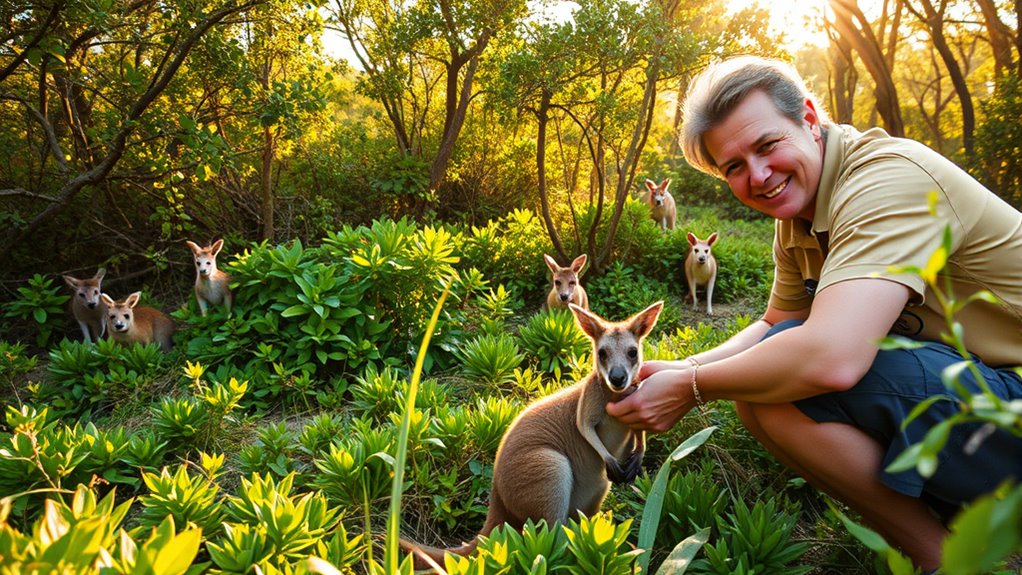
Participating in wildlife conservation offers numerous personal and ecological benefits. You’ll gain hands-on experience, deepen your understanding of local ecosystems, and contribute meaningfully to protecting Kangaroo Island’s unique wildlife. This involvement also encourages ethical considerations and cultural sensitivity, ensuring respectful engagement with local communities and species. Volunteering enhances your skills, boosts your confidence, and fosters a sense of purpose. Here’s a quick overview of key benefits:
| Personal Growth | Community Impact | Ecological Contribution |
|---|---|---|
| Skill development | Supporting local initiatives | Preserving native habitats |
| Increased awareness | Building connections | Protecting endangered species |
| Cultural sensitivity | Respecting traditions | Promoting sustainability |
| Confidence boost | Fostering teamwork | Ensuring long-term conservation |
Tips for a Successful and Responsible Volunteering Experience
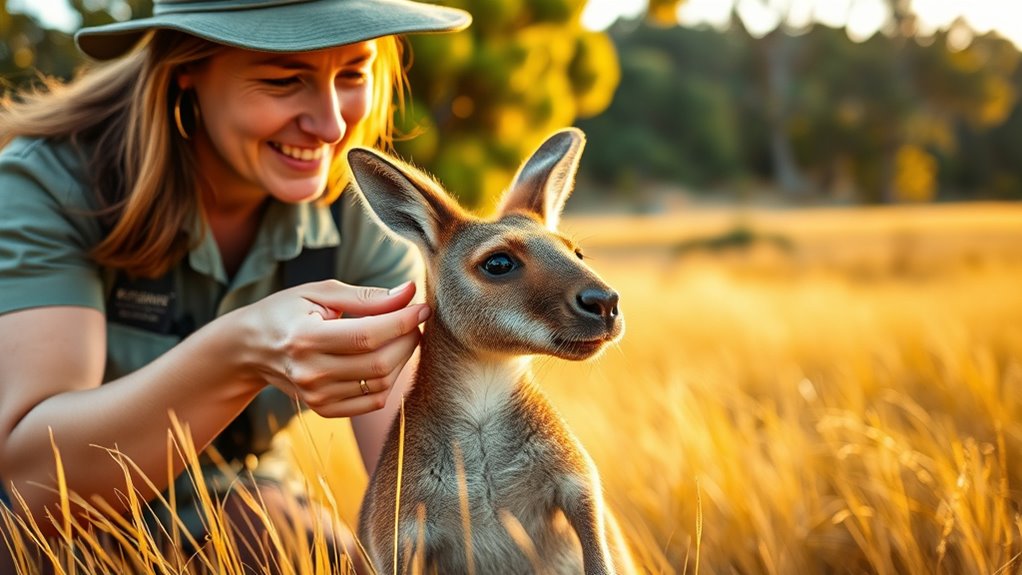
To guarantee your volunteering experience on Kangaroo Island is both successful and responsible, start by thoroughly understanding the project’s goals and your specific responsibilities. Prioritize ethical considerations and cultural sensitivity to respect local communities and wildlife. Here are three tips to help you succeed:
- Communicate openly with coordinators and fellow volunteers to clarify expectations and procedures.
- Respect wildlife and their habitats by following guidelines and avoiding disturbance.
- Be mindful of local customs and cultural practices, showing sensitivity and adaptability.
Frequently Asked Questions
Are There Age Restrictions for Wildlife Conservation Volunteers on Kangaroo Island?
When considering age restrictions for volunteer eligibility, you should recognize that most programs have specific requirements. Typically, volunteers must be at least 16 or 18 years old to participate, depending on the organization. These age restrictions guarantee safety and proper engagement. If you’re interested in wildlife conservation on Kangaroo Island, check the specific program’s guidelines, as some may offer opportunities for younger or older volunteers with appropriate supervision or exceptions.
What Is the Typical Duration of Volunteer Projects on the Island?
The project length for volunteer programs varies depending on the organization and specific project, but most require a commitment of at least one to two weeks. Some programs offer longer-term opportunities, spanning several months, if you’re able to commit more time. Your volunteer commitment typically involves engaging in conservation activities, helping with research, or habitat restoration, giving you a meaningful experience while supporting local wildlife efforts.
Do Volunteers Need Prior Conservation Experience to Participate?
You don’t need prior experience or specific skill requirements to join conservation projects. Many volunteers worry they lack expertise, but your enthusiasm and willingness to learn are what truly matter. The programs are designed to accommodate all skill levels, offering training on-site. So, if you’re passionate about helping wildlife and keen to make a difference, your fresh perspective and dedication will be just as valuable as any prior conservation experience.
Are There Accommodation Options Available for Long-Term Volunteers?
You’ll find various accommodation options available for long-term volunteers, making your stay comfortable while you contribute to conservation efforts. Volunteer housing often includes shared or private options, providing a supportive community environment. These accommodation options are designed to fit different needs and budgets, ensuring you can focus on your volunteer work without worries about where to stay. Long-term volunteers typically enjoy these flexible housing arrangements, making your experience both impactful and enjoyable.
How Does Volunteering Impact Local Communities and Indigenous Populations?
You might wonder how volunteering impacts local communities and indigenous populations. Your involvement fosters indigenous collaboration, respecting cultural practices and knowledge. It also promotes community empowerment, giving locals a say in conservation efforts. By working alongside residents, you help build sustainable projects that benefit everyone. Your efforts can strengthen cultural ties, support local economies, and guarantee conservation goals align with community needs, creating lasting positive change for indigenous populations and the broader community.
Conclusion
By volunteering on Kangaroo Island, you directly support the protection of over 1,700 native species, including the rare Kangaroo Island dunnart. Your efforts help preserve this island’s fragile ecosystems and guarantee future generations can enjoy its unique wildlife. Every hour you contribute makes a real difference—imagine knowing you’re safeguarding a crucial habitat for these incredible creatures. Get involved today and become part of this essential conservation journey.
Halloween Picks
halloween
As an affiliate, we earn on qualifying purchases.