
When observing wildlife in Uluru-Kata Tjuta National Park, you need to respect the delicate ecosystem. Keep your distance from animals and avoid loud noises to let them behave naturally. Use a zoom lens for photography and skip the flash to avoid startling them. Be mindful of your surroundings, clean up after yourself, and follow park rules. These actions help protect wildlife and their habitats. There’s much more to learn about responsible wildlife viewing practices.
Key Takeaways
- Observe wildlife from a distance to ensure their natural behaviors and safety are preserved.
- Use a zoom lens for photography and avoid flash to minimize disturbance to animals.
- Visit during early mornings or late afternoons for optimal wildlife activity and lighting conditions.
- Keep the environment clean by securing belongings and not leaving trash behind.
- Follow park rules and designated paths to protect both wildlife and the ecosystem.
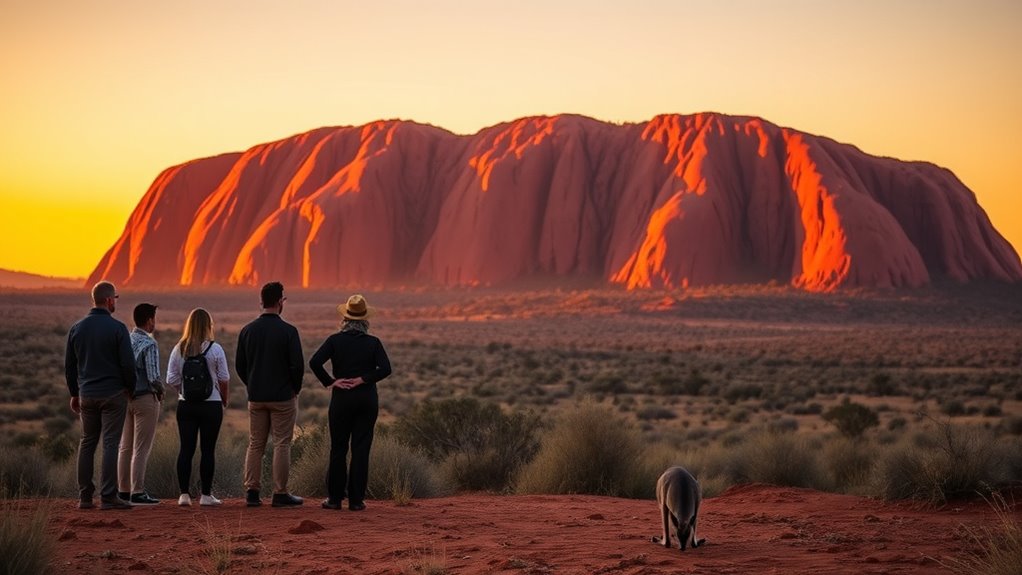
When you visit Uluru-Kata Tjuta National Park, it’s vital to remember that you’re entering a delicate ecosystem teeming with unique wildlife. This park is home to a variety of species, many of which are endemic to the region. To truly appreciate the beauty of this natural wonder, you need to practice respectful observation. Instead of approaching wildlife too closely or making loud noises, take a step back and let the animals behave naturally. This not only enhances your experience but also guarantees their safety and welfare.
While you might be tempted to capture stunning photos of the wildlife, it’s imperative to follow photography guidelines that prioritize the well-being of the animals and their habitats. Use a zoom lens to keep your distance, allowing you to photograph them without causing stress or disrupting their activities. Flash photography can startle animals and should be avoided at all costs. By adhering to these guidelines, you can enjoy your photography while minimizing your impact on the environment.
Prioritize wildlife well-being by using a zoom lens and avoiding flash photography while capturing stunning moments in nature.
You should also be aware of the best times for wildlife viewing. Early mornings and late afternoons are often when animals are most active, giving you a better chance to spot them. During these times, the light is also softer, which can enhance your photos. Being patient is key; you might need to wait quietly for a while to see the wildlife in action. Remember, this isn’t just about snapping pictures; it’s about connecting with nature and gaining a deeper understanding of the ecosystem and its intricate balance.
When observing wildlife, keep your personal belongings secure and avoid leaving any trash behind. Animals can be curious, and they may approach human items, mistaking them for food. By guaranteeing your space is clean, you contribute to the preservation of the park and the health of its inhabitants.
Lastly, always respect the park’s rules and regulations. These guidelines are designed to protect both visitors and wildlife. Whether it’s staying on designated paths or adhering to specific viewing areas, following these rules helps maintain the park’s integrity.
Enjoy your wildlife viewing experience at Uluru-Kata Tjuta National Park, but remember that your actions have consequences. By practicing respectful observation and following photography guidelines, you help protect this remarkable environment for future generations.
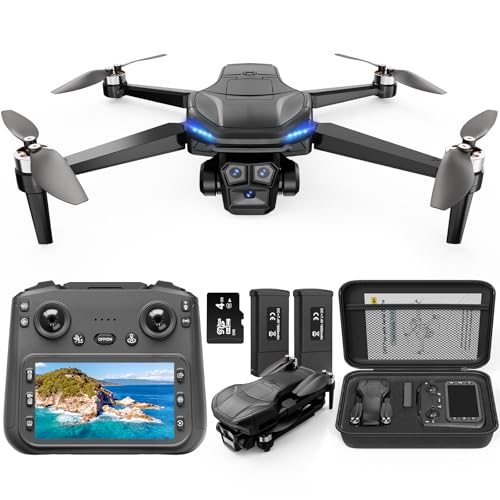
X-shop 4K GPS Drone with Camera for Adults, Brushless Motor, 4.5" HD Screen Remote with 2 Batteries 60 Min Flight, with SD Card, Foldable Quadcopter Under 249g, Auto Return, Follow Me, 3 Speed Mode
4K Drone with Screen Remote: This 4K drone features a 4.5-inch HD screen built into the remote control,...
As an affiliate, we earn on qualifying purchases.
Frequently Asked Questions
What Types of Wildlife Can I Expect to See in Uluru-Kata Tjuta?
In Uluru-Kata Tjuta, you can expect to see a variety of native species, including kangaroos, emus, and numerous reptiles. Keep an eye out for the fascinating behaviors of these animals, like kangaroos bounding and emus foraging. Birdwatchers will enjoy spotting colorful parrots and honeyeaters. As you explore, remember to respect their space, observe quietly, and appreciate the unique interactions within their natural habitat. You’ll have an unforgettable wildlife experience!
Are There Guided Tours Available for Wildlife Viewing?
Yes, there are plenty of guided tour options available for wildlife viewing. While you might prefer to explore on your own, a guided tour offers expert insights and guarantees you don’t miss unique wildlife photography opportunities. You’ll discover hidden spots and learn about the diverse species that call this area home. So, whether you’re an avid photographer or a nature enthusiast, these tours can enhance your experience considerably.
What Is the Best Time of Year for Wildlife Viewing?
The best time for wildlife viewing is during the cooler months, from April to October. During this period, you’ll witness seasonal migration as many animals roam in search of food and water. Additionally, you can catch glimpses of various species during their breeding seasons, which typically occur in spring. Early mornings and late afternoons are ideal, as animals are more active then, making your experience even more rewarding. Grab your binoculars and enjoy!
Can I Bring My Pet to Uluru-Kata Tjuta National Park?
Imagine a ship sailing smoothly through serene waters, but a storm brews on the horizon. Just like that ship, your journey to Uluru-Kata Tjuta National Park comes with pet restrictions. Unfortunately, you can’t bring your pet into the park due to park regulations aimed at protecting the unique environment and wildlife. It’s best to make arrangements for your furry friend elsewhere, ensuring a harmonious experience for both you and the park’s natural inhabitants.
Are There Any Safety Precautions for Encountering Wildlife?
Yes, there are safety precautions for encountering wildlife. You should always observe wildlife behavior from a safe distance, as animals can be unpredictable. Carry safety equipment like a whistle or bear spray, just in case. Avoid feeding or approaching animals, and stay alert for any signs of aggression. It’s important to respect their space and follow park guidelines to guarantee both your safety and that of the wildlife. Enjoy your adventure responsibly!

GPS Drone with EIS Camera 4.5" LCD Screen on Controller, FPV Drones Al Track&Orbit Mode with Professional with Auto Return Follow Me for Adult Beginner, GPS Brushless Drone Long Range Circle Fly,Under 249g
GPS Drone with 4.5 Inch Screen on Controller: The GPS drone long range remote features a 4.5 inch...
As an affiliate, we earn on qualifying purchases.
Conclusion
In the breathtaking beauty of Uluru-Kata Tjuta National Park, your presence can both enhance and disrupt the delicate balance of wildlife. While you marvel at the majesty of the kangaroos and the elegance of the emus, remember that respect is vital. Approach these creatures with awe, not intrusion. By harmonizing your curiosity with consideration, you guarantee that future visitors can share in this wonder, preserving the park’s magic for generations to come.

GPS Drone with EIS 2K Camera for Adults, 7.22 inch Screen on Remote Controller,FPV RC Drones with Al Track&Night Shot with Professional GPS,Auto Return Follow Me for Beginner,Long Range Transmission, 2 Batteries 64min Flight Time,Handbag Under 249g
【Drones with Camera for Adults 2K】Nexaero F3 drone captures vibrant, noise-free details with its 2K photos and 2K/60fps...
As an affiliate, we earn on qualifying purchases.

GPS Drone with EIS 4K Camera for Adults Kids, RC Drones with 4.5 inch HD Screen on Controller,Auto Return,2 Batteries for 45 min Flight Time,Long Range Transmission,Circle Fly and Follow Me Mode,Foldable Quadcopter for Beginner Kids Gifts Toy,Under 249g
【4K UHD Clear Camera and SD Card】 Equipped with a 4K and 90° adjustable lens, this camera drone...
As an affiliate, we earn on qualifying purchases.