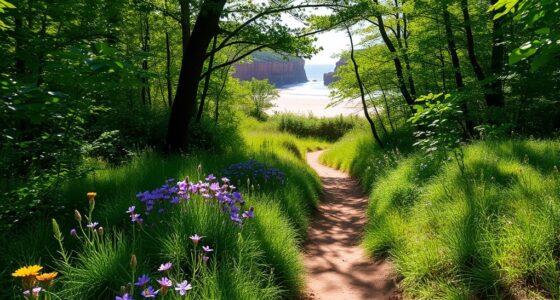
When hiking in Kluane National Park and Reserve, stick to designated trails to protect delicate ecosystems. Carry out all trash and avoid single-use plastics to minimize waste. Respect wildlife by observing from a distance and never feeding them. Stay informed about local plants and animals to enhance your experience while practicing low-impact techniques. By following these guidelines, you’ll help maintain the park’s beauty for future visitors. Discover more tips on how to hike responsibly!
Key Takeaways
- Stay on designated trails to protect Kluane’s unique ecosystems and minimize environmental damage.
- Carry out all trash and use reusable containers to reduce litter and pollution.
- Observe wildlife from a distance without feeding or approaching to ensure their natural behaviors are undisturbed.
- Avoid creating new paths around obstacles to prevent erosion and habitat disturbance.
- Educate yourself about local flora and fauna to appreciate and respect the park’s natural beauty.

When you explore Kluane National Park, you’ll discover breathtaking landscapes and diverse wildlife, but it’s vital to hike with a low-impact mindset to preserve this pristine environment. This national treasure is home to stunning mountains, glaciers, and an array of wildlife, including grizzly bears, moose, and various bird species. With such beauty surrounding you, it’s essential to practice trail ethics to guarantee that future generations can enjoy these wonders as well.
When you step onto the trails, remember to stay on designated paths. Straying off the trail can damage delicate ecosystems, disturb wildlife habitats, and lead to erosion. By sticking to the established routes, you help maintain the integrity of the park while minimizing your impact on the environment. When you encounter obstacles like fallen trees or muddy sections, don’t create new paths—navigate around them carefully. This practice not only protects the flora and fauna but also reflects a commitment to wildlife conservation.
As you hike, be mindful of your waste. Carry out what you bring in, including food wrappers and other trash. If you pack snacks, opt for reusable containers instead of single-use plastic. This simple step greatly reduces litter and helps keep Kluane’s natural beauty intact. Additionally, consider using biodegradable soap and staying at least 200 feet away from water sources when washing up. Your choices contribute to the health of the park’s ecosystems and wildlife.
Another important aspect of low-impact hiking is respecting wildlife. If you spot animals, enjoy the moment from a distance. Don’t approach or feed them. Feeding wildlife disrupts their natural behavior and can be harmful to their health. Keeping a safe distance not only protects you but also ensures that animals remain wild and unaccustomed to human interaction. Remember, your presence in their habitat should be as unobtrusive as possible.
Lastly, educate yourself about the local flora and fauna before your trip. Understanding the species you might encounter can enhance your experience and deepen your appreciation for the park’s natural beauty. When you respect Kluane National Park’s unique environment and adopt a low-impact hiking approach, you embody the spirit of conservation. You’ll not only enjoy your adventure but also help guarantee that this incredible landscape remains a sanctuary for wildlife and a cherished destination for hikers for years to come. Additionally, embracing the Law of Attraction during your journey can enhance your experience by fostering a positive mindset and connection to nature.

BAGAIL 8 Set Packing Cubes Luggage Packing Organizers for Travel Accessories-Cream
- Premium Durable Fabric: Resists wrinkles, stains, and wear
- Water-Repellent Material: Protects clothes from spills and leaks
- Lightweight Design: Easy to pack without adding weight
As an affiliate, we earn on qualifying purchases.
Frequently Asked Questions
What Is the Best Time of Year for Low-Impact Hiking?
The best time of year for low-impact hiking is late spring to early fall. During this period, you’ll enjoy the vibrant seasonal wildlife while minimizing trail erosion. The weather’s generally mild, making it perfect for exploring without causing damage to the trails. Just remember to stick to established paths and avoid hiking during heavy rainfall or thawing periods, as that can lead to increased erosion and disrupt the natural habitat.
Are There Guided Tours Available for Low-Impact Hiking?
Yes, there are guided tour options available for low-impact hiking. In fact, studies show that eco-friendly hiking practices can reduce trail erosion by up to 70%. These guided tours not only enhance your experience but also educate you on sustainable hiking techniques. You’ll explore beautiful landscapes while minimizing your impact on the environment. So, whether you’re a beginner or an experienced hiker, consider joining a tour to guarantee a responsible adventure.
What Should I Pack for a Low-Impact Hike?
For a low-impact hike, pack eco-friendly gear like a reusable water bottle, biodegradable soap, and a lightweight backpack. Bring a first-aid kit, snacks in reusable containers, and a map or compass. Don’t forget to wear sturdy, comfortable shoes. Most importantly, practice Leave No Trace principles: carry out what you bring in, stick to trails, and respect wildlife. With the right gear, you’ll enjoy your hike while protecting the environment!
Are Pets Allowed on Hiking Trails in Kluane?
Pets aren’t permitted on hiking trails in Kluane National Park, so you’ll need to plan accordingly. These pet policies are in place to protect wildlife and preserve the park’s natural beauty. If you’re traveling with pets, consider keeping them in designated areas or finding pet-friendly accommodations nearby. Always check the trail regulations before heading out to ensure you’re following the rules and keeping both your pet and the environment safe.
How Can I Report Trail Maintenance Issues?
To report trail maintenance issues, you can contact the local park office or visit their website for trail reporting forms. It’s important to include specific details about the issue, such as location and nature of the problem. They appreciate maintenance requests as it helps keep the trails safe and enjoyable for everyone. Make sure to provide your contact information so they can follow up if needed. Your input makes a difference!
Conclusion
As you tread softly through Kluane National Park, each step becomes a whisper of respect for nature’s delicate balance. Just like the towering peaks that stand resolute against the sky, your low-impact hiking symbolizes harmony and stewardship. Embrace this journey, knowing that your mindful exploration nurtures the land you cherish. In preserving the beauty around you, you’re not just a visitor; you’re a guardian of a timeless legacy, leaving only footprints while carrying the spirit of the wilderness within you.