
TL;DR
Italy’s high-speed train operator Frecciarossa is expanding into Germany, aiming to increase cross-border travel options. The move signals Italy’s broader efforts to boost international rail links, but details remain unconfirmed.
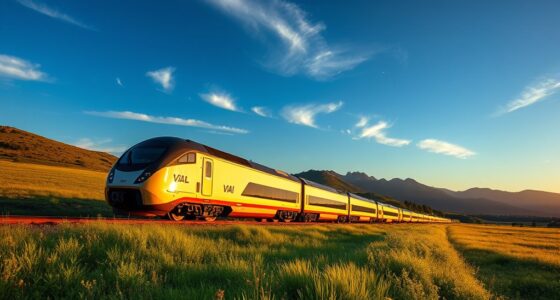
Italy’s high-speed train operator Frecciarossa is expanding into the German market, marking a significant step in cross-border rail connectivity. The move, confirmed by industry sources, aims to offer new high-speed travel options between Italy and Germany, potentially impacting European rail travel patterns. While official details are yet to be announced, the development signals Italy’s broader strategy to strengthen international rail links and compete with other high-speed services in Europe.
Sources familiar with industry plans indicate that Frecciarossa, operated by Italy’s national rail company Trenitalia, is preparing to launch services into Germany. The expansion is expected to include routes connecting major cities such as Milan, Munich, and Berlin, with operational launch anticipated within the next year. This marks the first time Frecciarossa will operate outside Italy, signaling a strategic move to increase its international footprint.
While official announcements are pending, the expansion aligns with recent trends in European high-speed rail development, where operators aim to create seamless cross-border travel corridors. The move could challenge existing services like Deutsche Bahn’s ICE trains and other international operators, potentially offering faster or more direct routes.
Industry analysts note that this development is driven by growing demand for sustainable travel options and the European Union’s push to enhance transnational infrastructure. The expansion also reflects Trenitalia’s ambitions to compete more aggressively in the European high-speed rail market, which has seen increased investment from various countries and private entities.
Implications for European High-Speed Rail Competition
The entry of Frecciarossa into the German market could significantly alter the competitive landscape of European high-speed rail. It introduces a new player with a strong brand and operational expertise, potentially increasing options for travelers and prompting existing providers to innovate or adjust pricing strategies. The move also underscores Italy’s ambitions to extend its high-speed rail influence beyond national borders, which could encourage other countries and operators to pursue similar expansions. For travelers, this could mean more direct, faster, and potentially more affordable routes across key European cities, enhancing mobility and reducing reliance on air travel. However, the full economic and operational impacts remain uncertain until official routes and schedules are confirmed.
high-speed train travel accessories
As an affiliate, we earn on qualifying purchases.
As an affiliate, we earn on qualifying purchases.
Background on Italy’s Frecciarossa and European Rail Expansion
Frecciarossa, operated by Trenitalia, has been Italy’s flagship high-speed train service since its launch in 2009, known for connecting major Italian cities like Rome, Milan, Florence, and Venice at speeds up to 300 km/h. Over the past decade, it has become a symbol of Italy’s modern rail infrastructure and a key component of national mobility.
In recent years, European high-speed rail has seen increased investment and cooperation, with initiatives like the Trans-European Transport Network (TEN-T) aiming to improve cross-border connectivity. Countries such as France, Germany, and Spain have expanded their high-speed networks, often partnering with private operators or expanding existing services.
While Trenitalia has previously operated international trains to neighboring countries, this expansion into Germany marks a more significant push into the German market, which is currently served mainly by Deutsche Bahn’s ICE trains and private operators like Thalys and Eurostar. The trend of cross-border high-speed rail is driven by the EU’s climate goals and the desire to offer sustainable alternatives to air travel, which remains popular in Europe.
Unconfirmed Details and Timing of Operations
Official confirmation of Frecciarossa’s entry into Germany, including specific routes, schedules, and operational plans, has not yet been issued. It remains unclear whether the service will launch with direct routes or require transfers, and what pricing or partnership arrangements will be involved. The timeline for the rollout is also uncertain, with sources suggesting it could be within the next 12 months, but no definitive date has been set.
Additional questions include how the service will integrate with existing German rail infrastructure and whether any regulatory or operational hurdles might delay launch. The full scope of the expansion is still being finalized, and further official statements are expected soon.
Next Steps and Expected Announcements
Trenitalia and its partners are likely to make formal announcements in the coming months, detailing the specific routes, schedules, and ticketing options for Frecciarossa’s German services. Industry observers will be watching for official confirmation of the launch date, pricing strategies, and potential collaborations with German rail operators. Additionally, regulators and transportation authorities in both countries will need to approve and facilitate cross-border operations.
Travelers and industry stakeholders should monitor official channels for updates, as this expansion could influence future infrastructure investments and service offerings across Europe’s high-speed rail network.
Key Questions
When will Frecciarossa start operating in Germany?
Official dates have not yet been announced, but sources suggest the service could launch within the next 12 months.
Which cities will be connected by Frecciarossa in Germany?
It is expected to connect major cities such as Munich and Berlin, with possible extensions to other key destinations, but details are still being finalized.
Will the new service compete directly with Deutsche Bahn’s ICE trains?
Yes, the expansion aims to offer high-speed, direct routes that could challenge existing services, potentially increasing competition and traveler options.
Are tickets for Frecciarossa in Germany already available?
No, ticket sales and booking options are expected to be announced closer to the launch date.
What are the environmental benefits of this expansion?
The move supports European efforts to promote sustainable travel, offering an alternative to short-haul flights and reducing carbon emissions.
Source: rss