
TL;DR

Get travel and outdoor gear delivered free with Prime
- Fast, free delivery on millions of items
- Prime Video, Amazon Music and more included
- Member-only deals all year
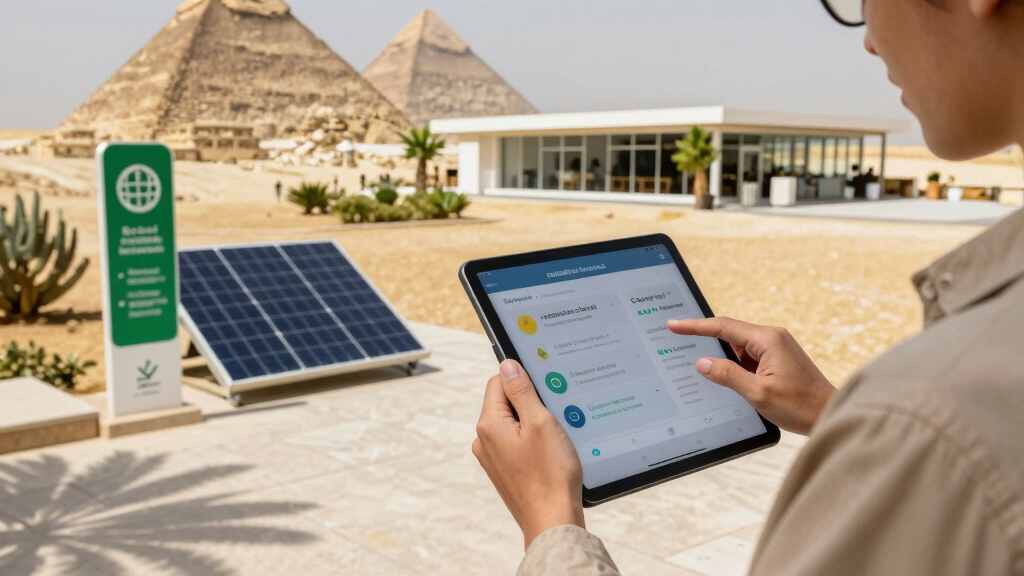
Egypt has announced the end of camel rides at Giza to promote sustainable tourism. The move aims to protect cultural heritage and the environment, marking a significant shift in tourism policy.
Egypt has officially terminated camel rides at the Giza pyramids complex, implementing a new sustainable tourism policy aimed at protecting the site’s heritage and environment. The decision, announced by the Ministry of Tourism and Antiquities, marks a significant change in how tourism is managed at one of the world’s most iconic archaeological sites.
The Egyptian government confirmed on March 15, 2024, that camel rides at Giza will no longer be permitted. The move is part of a broader initiative to promote environmentally friendly tourism practices and safeguard the pyramids from degradation caused by excessive visitor activity. Officials stated that the decision was made after consultations with heritage conservation experts and environmental specialists.
Local authorities have indicated that alternative visitor experiences, such as electric carts and virtual reality tours, will be introduced to replace camel rides. The change aims to reduce wear and tear on the archaeological site while providing visitors with modern, sustainable options. The Ministry emphasized that the safety and well-being of both tourists and animals are priorities in this transition.
Implications for Heritage Preservation and Tourism Sustainability
This development is significant because it demonstrates Egypt’s commitment to balancing tourism with conservation. The move away from traditional camel rides addresses concerns about animal welfare and the environmental impact of tourism activities at Giza. It also signals a shift towards more sustainable tourism models that could influence other heritage sites in Egypt and beyond, aligning with global efforts to reduce ecological footprints.
As an affiliate, we earn on qualifying purchases.
Background of Tourism Practices at Giza and Recent Changes
For decades, camel rides have been a staple experience for visitors at Giza, despite ongoing debates about animal welfare and environmental impact. In recent years, there has been increased pressure from conservation groups and international organizations to reform tourism practices at the site. Egypt has previously announced plans to modernize its tourism sector, but the recent decision to end camel rides represents a tangible step towards that goal. The move aligns with global trends favoring eco-friendly tourism and sustainable heritage management.
“The decision to end camel rides is part of Egypt’s commitment to sustainable tourism and heritage preservation. We are exploring innovative ways to enhance visitor experience while protecting our cultural treasures.”
— Egyptian Ministry of Tourism and Antiquities
Unanswered Questions About Implementation and Public Response
It is still unclear how quickly the new policies will be fully implemented across all tourist zones at Giza. Details about the specific alternative experiences and their accessibility are still emerging. Additionally, the public and industry response remains mixed, with some tourism operators expressing concern over economic impacts and others welcoming the change. The long-term effects on visitor numbers and heritage preservation are yet to be assessed.
Next Steps in Tourism Policy and Site Management
The Ministry plans to roll out the new visitor experience options over the coming months, including the introduction of electric carts and virtual reality tours. Monitoring and evaluation of the policy’s impact on site preservation and visitor satisfaction will follow. Further statements from officials are expected to clarify the timeline and scope of the transition, along with efforts to engage local stakeholders and tourism operators.
Key Questions
Why did Egypt end camel rides at Giza?
Egypt ended camel rides to promote sustainable tourism, protect the pyramids from environmental degradation, and improve animal welfare at the site.
What will replace camel rides at Giza?
Officials say alternative experiences, such as electric carts and virtual reality tours, will be introduced to enhance visitor experiences while reducing environmental impact.
How might this change affect tourism at Giza?
The impact on visitor numbers is still uncertain, but the move aims to attract eco-conscious tourists and set a precedent for heritage preservation.
When will the new visitor options be available?
The Ministry of Tourism and Antiquities plans to implement the new experiences gradually over the next few months, with full rollout expected later this year.
Will this affect local tourism operators?
Some operators are concerned about economic impacts, but officials emphasize plans to support local businesses through new sustainable initiatives.
Source: google-trends
Halloween Picks
halloween
As an affiliate, we earn on qualifying purchases.