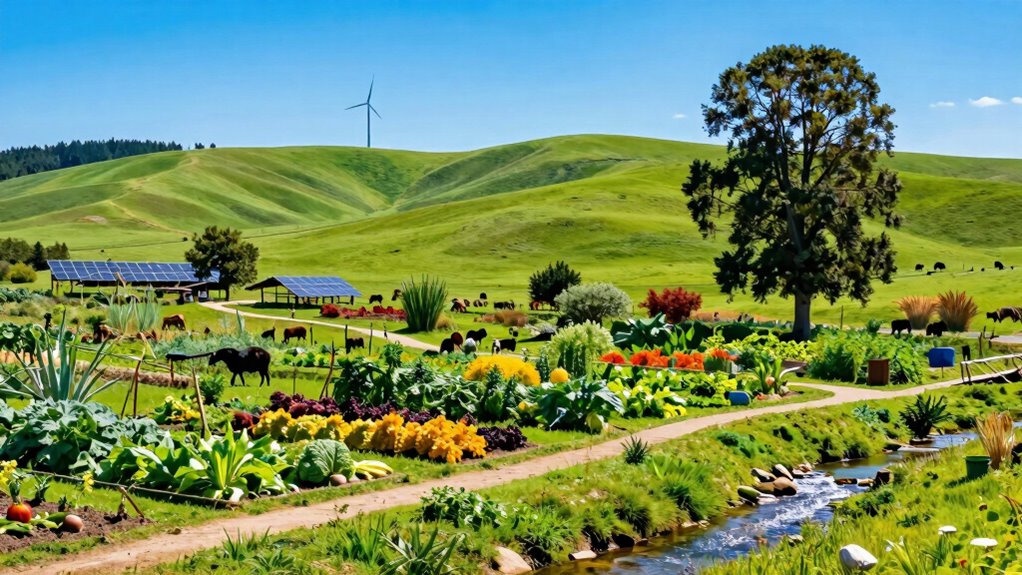

In a regenerative destination, you’ll see local communities actively involved in preserving ecosystems, traditions, and culture. Tourism benefits local artisans, farmers, and entrepreneurs directly, supporting economic resilience. Visitors participate in conservation, traditional crafts, and community-led projects, making travel meaningful. Sustainable practices like reforestation and renewable energy are common. These destinations foster social inclusion and cultural pride, creating a cycle of renewal for nature and society. Keep exploring to discover how these vibrant places make a lasting impact.
Key Takeaways
- Communities actively participate in tourism planning, ensuring benefits align with local needs and cultural preservation.
- Small-scale, eco-friendly activities promote environmental restoration and deepen visitor engagement.
- Infrastructure utilizes renewable energy, water conservation, and sustainable materials to minimize ecological impact.
- Tourism revenue funds community-led initiatives, festivals, and cultural practices, fostering social inclusion.
- Visitors participate in conservation projects, such as reforestation or wildlife protection, contributing to ecological regeneration.
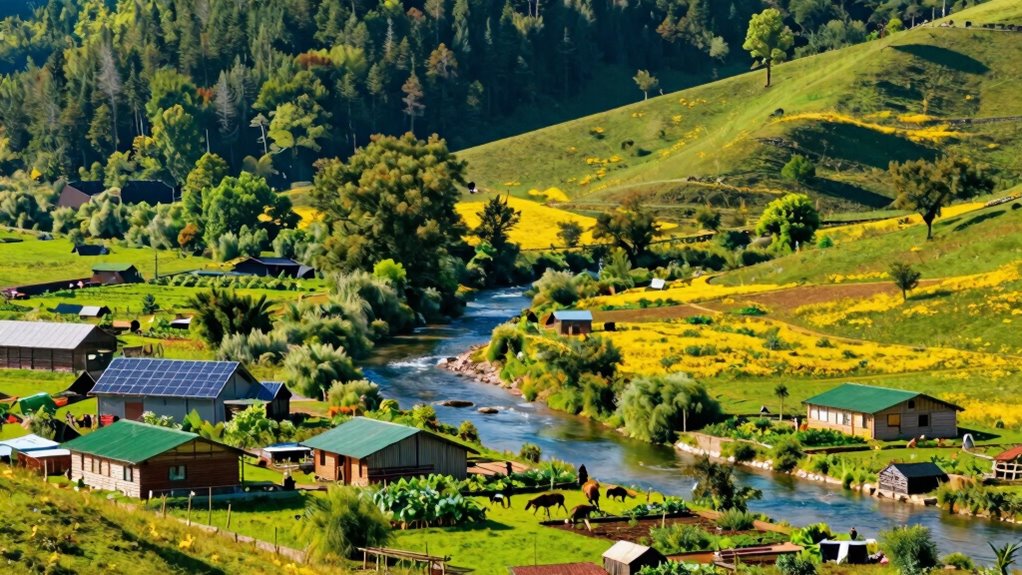
Have you ever wondered how travel can do more than just minimize harm to the environment? Imagine destinations where tourism actively contributes to the well-being of local communities and the health of the surrounding ecosystem. In practice, regenerative destinations prioritize local community engagement, making sure that residents are not just bystanders but active participants in tourism development. It’s about building partnerships with local artisans, farmers, and entrepreneurs, guaranteeing they benefit directly from visitors’ presence. This approach fosters economic resilience and cultural preservation, creating a cycle where tourism uplifts rather than exploits.
Travel that empowers communities and preserves culture through active local partnerships and meaningful engagement.
Sustainable tourism practices are at the core of these destinations. Instead of mass tourism that overwhelms infrastructure and depletes resources, regenerative places focus on small-scale, mindful experiences. Tourists are encouraged to participate in activities that respect the environment—volunteering in conservation projects, learning traditional crafts, or supporting local markets. This active involvement deepens the connection between visitors and the destination, transforming passive sightseeing into meaningful engagement. Such practices promote a sense of shared responsibility for preserving the area’s natural beauty and cultural integrity. Incorporating ecological restoration techniques can further enhance the positive impacts on local ecosystems. Additionally, understanding the importance of local resource management is crucial for maintaining these efforts over time. Promoting these practices also involves educating visitors and locals alike about environmental stewardship, ensuring that sustainable habits become ingrained in the community. Recognizing the value of biodiversity conservation helps ensure that these efforts support long-term ecological health.
In a regenerative destination, the landscape itself benefits from ongoing stewardship. Local communities often manage natural resources sustainably, implementing practices like reforestation or organic farming that restore ecological balance. Tourism infrastructure is designed with minimal ecological footprint, utilizing renewable energy sources, water conservation methods, and eco-friendly materials. These destinations don’t just aim to sustain the environment—they seek to improve it through continuous regeneration. Additionally, seed preservation techniques can be incorporated to enhance local biodiversity and ecological resilience. As a visitor, you can witness firsthand how your presence supports projects that restore coral reefs, protect wildlife, or rehabilitate degraded lands.
Furthermore, social sustainability is integral. You’ll find that these destinations foster inclusive environments where indigenous and marginalized groups have a voice. Cultural activities are celebrated authentically, and tourism revenue is reinvested into community-led initiatives. This inclusive approach ensures that the benefits of tourism are shared equitably, reducing inequalities and strengthening social bonds. When you participate in local festivals or stay in community-run accommodations, you actively contribute to this thriving social fabric.
Ultimately, regenerative destinations in practice are places where your travel experience becomes a catalyst for positive change. By engaging with local communities and supporting sustainable practices, you help create a cycle of renewal—one where both environment and society flourish. It’s not just about visiting; it’s about becoming part of a movement that restores and revitalizes the places you love.

coowoz Travel Backpack For Women Men,Carry On Backpack,Hiking Backpack Waterproof Outdoor Sports Rucksack Casual Daypack Travel Essentials(Olive Green)
- Waterproof Durable Material: Made of waterproof polyester for durability
- Breathable Shoulder Straps: Padded straps for comfort and heat dissipation
- Wet and Shoe Compartments: Separate wet bag and shoe compartment for organization
As an affiliate, we earn on qualifying purchases.
As an affiliate, we earn on qualifying purchases.
Frequently Asked Questions
How Do Regenerative Destinations Measure Environmental Impact?
You measure environmental impact at regenerative destinations through tools like ecological restoration assessments and carbon offsetting calculations. Ecological restoration tracks how well local ecosystems recover and thrive, while carbon offsetting quantifies reductions in greenhouse gases. By regularly monitoring these metrics, you can see how effectively the destination minimizes harm and promotes sustainability. This approach helps guarantee your destination truly regenerates the environment, balancing tourism with ecological health.
What Role Do Local Communities Play in Regenerative Tourism?
You play a crucial role in regenerative tourism by supporting local communities, helping preserve their culture and traditions through respectful interactions and investments. Your involvement empowers residents, enabling them to benefit economically and socially. By prioritizing cultural preservation and community empowerment, you contribute to creating destinations where local identity thrives alongside sustainable growth. This active participation ensures tourism benefits everyone, fostering stronger, more resilient communities that can sustain themselves long-term.
Are Regenerative Practices Cost-Effective for Destinations?
Regenerative practices can be cost-effective for destinations by boosting sustainable branding and attracting eco-tourism incentives. When you invest in regenerative efforts, you create a positive reputation that appeals to eco-conscious travelers, increasing visitation and revenue. Plus, eco-tourism incentives often provide financial benefits, helping offset initial costs. Over time, these practices lead to healthier ecosystems and stronger local economies, making them a smart, long-term investment for your destination.
How Is Visitor Education Integrated Into Regenerative Destinations?
You’ll find that about 70% of regenerative destinations actively incorporate visitor education. They use ecotourism principles to teach guests about local ecosystems, sustainable practices, and cultural preservation. Interactive experiences like guided tours, workshops, and storytelling help visitors understand their impact. By engaging travelers in meaningful learning, these destinations foster respect for local communities and environments, encouraging responsible behavior that supports long-term sustainability and cultural significance.
What Challenges Do Destinations Face When Implementing Regenerative Strategies?
You may face challenges like balancing wildlife conservation with tourism demands, which can strain ecosystems. Cultural preservation might also be difficult if commercial interests overshadow local traditions. You need to navigate community engagement carefully, ensuring local voices guide regenerative efforts. Managing environmental impact while fostering economic growth requires strategic planning and collaboration. Overcoming these hurdles is essential to create sustainable, regenerative destinations that truly benefit both nature and local cultures.
Conclusion
Imagine visiting a destination that leaves a positive impact long after you leave—restoring ecosystems, supporting local communities, and inspiring sustainable practices. Studies show that travelers increasingly prefer regenerative tourism, with 73% wanting their trips to benefit the environment and locals. By choosing these destinations, you’re not just a visitor; you become a part of the solution, helping create a thriving, resilient world where both people and nature flourish. Your journey can truly make a difference.