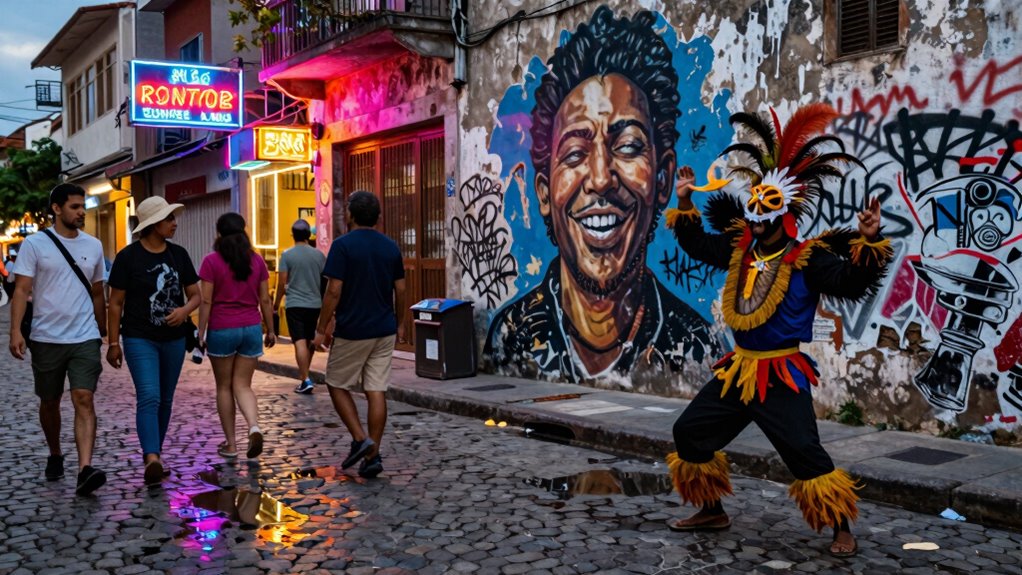

When you pursue authentic travel, your efforts to engage deeply with local customs can quickly lead to awkward or uncomfortable moments. You might unintentionally offend locals, misunderstand traditions, or stumble into staged experiences that feel superficial. Trying to mimic customs without fully understanding their meaning can come off as insincere or intrusive. If you stay curious and respectful, you can avoid these pitfalls—and there’s more to discover about managing authenticity wisely.
Key Takeaways
- Overly commercialized or staged experiences can quickly feel superficial or awkward, undermining the notion of authenticity.
- Misunderstanding local customs or social norms may lead to unintentional offenses or discomfort.
- Attempting to mimic traditions without proper understanding can result in cultural insensitivity.
- Curated “authentic” experiences often blur reality, creating strange or surreal encounters.
- Supporting tourist traps or staged performances perpetuates stereotypes, making genuine engagement more difficult and awkward.
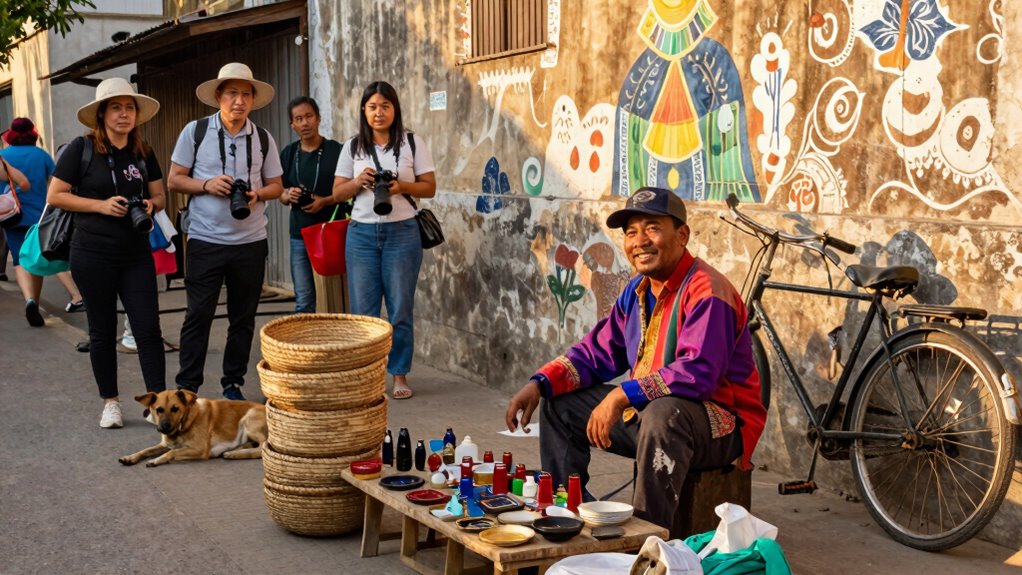
Have you ever wondered what it truly means to experience a place rather than just visit it? Authentic travel isn’t about ticking off landmarks or snapping photos for your social media feed. It’s about immersing yourself in the local customs, understanding the culture, and connecting with the people who live there. But the path to authenticity can quickly turn weird if you’re not careful. Sometimes, what’s billed as an “authentic experience” is just another tourist trap, designed to give visitors a taste of “local life” while draining their wallets and distorting the real culture.
When you’re chasing authenticity, it’s tempting to seek out the hidden gems, the small cafes, or the markets where locals shop. But many times, those places get overly commercialized or become staged for tourists. You might find yourself in a restaurant that claims to serve “authentic” cuisine, only to realize it’s adapted for tourist palates or, worse, is just a copycat version of genuine local dishes. The same goes for cultural performances or traditions that are often turned into staged shows, losing their original meaning in the process. What feels like an authentic experience can quickly feel off or superficial when it’s overly curated or marketed as “must-see” for visitors.
The trouble with trying to be authentic is that it can sometimes push you into uncomfortable or awkward situations. You might attempt to participate in local customs and find that your efforts are misunderstood or met with suspicion. Or you might unintentionally offend by misinterpreting traditions or social norms. It’s easy to fall into the trap of thinking that “doing as the locals do” automatically makes you authentic, but it’s more nuanced than that. True authenticity involves genuine engagement, respect, and understanding, not just mimicry or superficial participation.
Moreover, in your quest for authenticity, you risk becoming part of the problem rather than the solution. Supporting tourist traps or staged experiences can sustain a cycle that erodes the actual culture you’re trying to experience. Instead of truly connecting, you might end up perpetuating the very stereotypes or commercialization that distort local life. Authentic travel isn’t about quick fixes or superficial experiences; it’s about patience, curiosity, and humility. When you approach a new place with an open mind and a respectful attitude, the weirdness often fades, revealing the genuine beauty of the local customs and ways of life. Recognizing the importance of cultural preservation can help you navigate your journey more thoughtfully and ethically. Additionally, being aware of tourist commercialization can help you make more mindful choices that support authentic local economies. Developing an understanding of local context is essential to truly appreciating and respecting the place you visit. Engaging with residents in a respectful, meaningful way can transform your experience from superficial to truly memorable. By cultivating cultural sensitivity, travelers can better avoid the pitfalls of superficial tourism and foster more authentic connections.

Cultural Sensitivity: A Pocket Guide for Health Care Professionals
- Condition: Used Book in Good Condition
As an affiliate, we earn on qualifying purchases.
As an affiliate, we earn on qualifying purchases.
Frequently Asked Questions
How Do You Define “Authentic” Travel Experiences?
Authentic travel experiences involve immersing yourself in local culture, engaging with residents, and participating in daily life beyond tourist spots. You seek genuine connections and understanding, which foster personal growth through new perspectives. By embracing traditions, trying local cuisine, and respecting customs, you create meaningful stories. Authentic travel isn’t about perfect moments but about honest encounters that challenge and expand your worldview, making your journey truly transformative.
Can Authentic Travel Be Sustainable and Environmentally Friendly?
Yes, authentic travel can be sustainable and environmentally friendly. By embracing eco tourism and responsible tourism practices, you minimize your environmental impact while supporting local communities. Choose eco-friendly accommodations, respect cultural norms, and avoid over-tourism hotspots. You can enjoy genuine experiences without harming the environment, ensuring that your travels benefit both the destinations and future visitors. Responsible choices make authentic travel more sustainable and rewarding for everyone involved.
What Are Common Pitfalls When Seeking Authentic Travel?
You might fall into tourist traps or face cultural misinterpretation when chasing authenticity. It’s easy to assume that all local experiences are genuine, but sometimes, what’s marketed as authentic is just staged for tourists. Be cautious—over-tourism and stereotypes can distort local culture, turning your quest for real connection into a superficial encounter. Stay curious, do your homework, and respect local customs to avoid these pitfalls and truly embrace authentic travel.
How Does Authentic Travel Impact Local Communities?
Authentic travel can positively impact local communities by fostering cultural exchange and supporting small businesses. However, it also risks cultural commodification, where traditions are commercialized for tourists, and exacerbates economic disparities if benefits aren’t shared fairly. You might unintentionally contribute to these issues if you’re not mindful, so it’s essential to engage respectfully, support local economies genuinely, and prioritize sustainable practices to guarantee your travel benefits the community sincerely.
Is Authentic Travel Suitable for All Types of Travelers?
Authentic travel isn’t for everyone—you might find it overwhelming or unpredictable. If you crave cultural immersion and offbeat destinations, you’ll love diving into local life, but it can also mean facing language barriers, unexpected situations, or feeling out of your depth. Travel styles vary, so consider your comfort with spontaneity and unfamiliar environments before embracing authentic experiences. It’s a rewarding adventure, but not necessarily suitable for every traveler’s taste or temperament.
Conclusion
As you wander through bustling markets and quiet village lanes, you might chase that perfect authentic moment. But beware—what seems genuine can shift in a heartbeat, turning your journey into a whirlwind of unexpected encounters. Imagine the sun setting behind unfamiliar rooftops, casting long shadows over your plans. Sometimes, embracing the strange and unpredictable makes your adventure truly memorable. So, go ahead—dive in, and let the weird, wonderful surprises of authentic travel unfold around you.