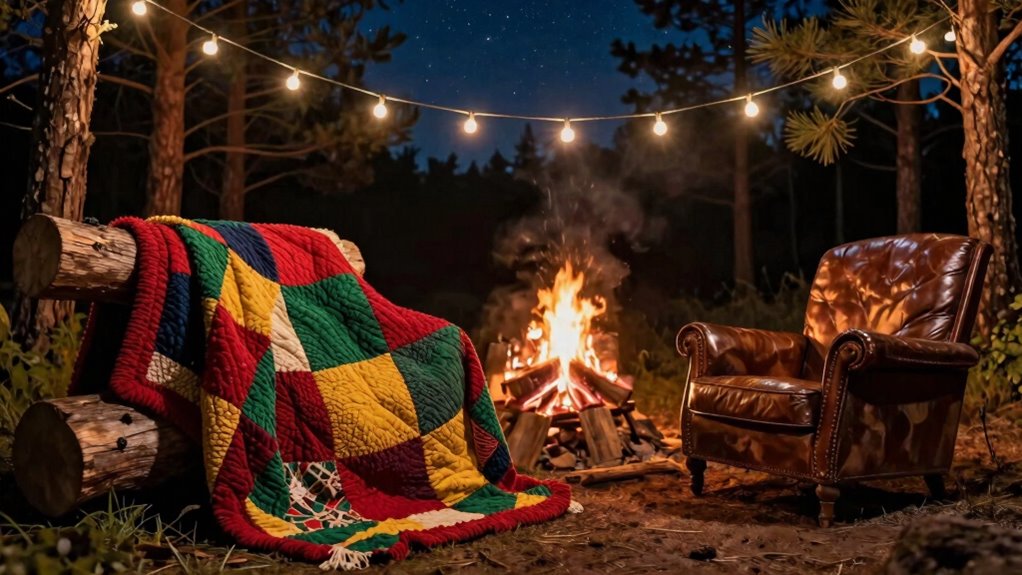

Camping quilts are a versatile and lightweight alternative to traditional sleeping bags, offering you customizable warmth and comfort for various outdoor conditions. They adapt easily to different sleeping setups and can be more flexible in chilly weather, especially when equipped with features like draft collars and cinchable footboxes. Choosing the right materials—like down or synthetic insulation—can boost your warmth and durability. Keep exploring to discover how to select the perfect quilt for your camping adventures.

Get travel and outdoor gear delivered free with Prime
- Fast, free delivery on millions of items
- Prime Video, Amazon Music and more included
- Member-only deals all year
Key Takeaways
- Camping quilts offer versatile warmth options and adaptability for various sleeping setups compared to traditional sleeping bags.
- Down insulation provides lightweight, high warmth but is less effective when wet, while synthetic fibers dry faster and retain heat in damp conditions.
- Durable outer materials like ripstop nylon or polyester enhance tear resistance and weather resistance for outdoor use.
- Design features such as adjustable straps and draft collars improve heat retention and overall comfort in cold conditions.
- Choosing the right materials and insulation depends on specific camping environments and weather conditions for optimal performance.
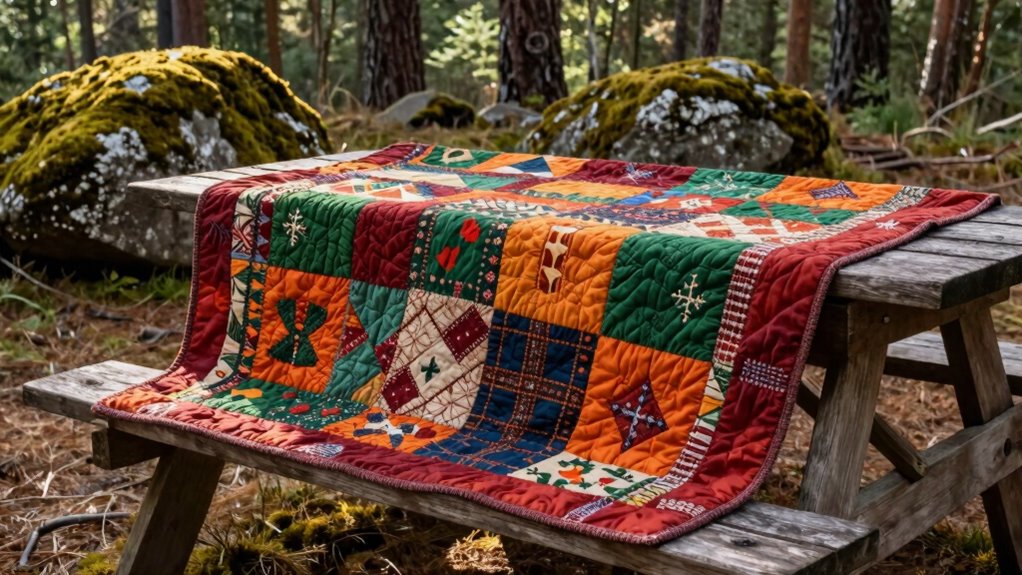
When you head out into the wilderness, a good camping quilt can make all the difference in staying warm and comfortable during chilly nights. Unlike traditional sleeping bags, quilts offer a versatile option that adapts to different sleeping situations and body preferences. The key to their effectiveness lies in the quality of outdoor insulation and quilt materials. When choosing a camping quilt, you want materials that provide excellent warmth without adding unnecessary weight, especially if you’re backpacking. The right outdoor insulation traps heat efficiently, ensuring you stay cozy even when temperatures drop unexpectedly. Common insulation options include down and synthetic fibers, each with its own benefits. Down insulation is lightweight and compressible, offering superior warmth-to-weight ratio, but it can lose its insulating properties when wet. Synthetic insulation, on the other hand, dries faster and retains warmth better in damp conditions, making it a reliable choice for unpredictable weather.
The quilt materials you select influence not only insulation but also durability and comfort. High-quality fabrics like ripstop nylon or polyester shells are popular because they resist tears and abrasions, which are common when camping in rugged environments. The inner lining often uses soft, breathable fabrics that prevent moisture buildup and enhance comfort throughout the night. When shopping for a camping quilt, pay attention to how these materials work together to provide a balance of warmth, weight, and durability. The outer shell should also be water-resistant or treated with a Durable Water Repellent (DWR) coating to prevent rain or dew from soaking through, keeping you dry and warm. Additionally, understanding the materials used in outdoor insulation can help you better evaluate the performance of different quilts in varying weather conditions. Knowing how different quilt design features contribute to insulation efficiency can help you choose a model that maximizes warmth and comfort in your specific camping environment.
Another important aspect is how well the quilt seals out drafts. Many camping quilts feature adjustable straps, draft collars, or cinchable footboxes that help trap body heat and prevent cold air from seeping in. These features maximize the insulating properties of your chosen quilt materials and outdoor insulation, ensuring you get a restful night’s sleep regardless of the weather. Properly designed draft prevention features can significantly improve your overall camping experience. Overall, selecting a camping quilt with the right combination of outdoor insulation and quilt materials equips you to face varying conditions confidently. It’s about investing in quality, understanding how different insulations and fabrics work, and tailoring your choice to your specific camping style. When you prioritize these factors, your nights in the wilderness become much warmer and more comfortable, no matter what Mother Nature throws your way.
Products Worth Considering

Samsonite Freeform Hardside Expandable Carry-On Luggage, Black

Sony WH-1000XM4C Wireless Noise-Cancelling Headphones, Black

GoPro MAX2 Waterproof 360 and Traditional Action Camera with Touch Screen
As an affiliate, we earn on qualifying purchases.
Frequently Asked Questions
How Do I Choose the Right Size Camping Quilt?
To choose the right size camping quilt, consider your sleeping bag size and how much coverage you want. Think about material options—lighter fabrics are great for warm weather, while thicker ones suit colder nights. Weight considerations matter too; a compact, lightweight quilt is easier to carry but might offer less warmth. Measure your sleeping area and pick a quilt that provides enough coverage without being cumbersome, ensuring comfort and portability.
Are Camping Quilts Suitable for Winter Camping?
Using a camping quilt in winter is like wrapping yourself in a cozy blanket during a snowstorm—you’ll want one with excellent winter insulation. These quilts are suitable if they’re designed for cold weather, providing thermal comfort even in freezing temperatures. Look for options with high-quality insulation, such as down or synthetic fill, to keep you warm overnight. Proper layering and additional gear can also enhance your winter camping experience.
Can Camping Quilts Be Used as Regular Blankets?
Yes, you can use camping quilts as regular blankets. They often feature DIY insulation and are made from materials like down or synthetic fibers, making them versatile for everyday use. When comparing materials, synthetic options are usually more affordable and easier to clean, while down offers better warmth-to-weight ratios. Just make certain the quilt’s size and insulation level suit your comfort needs for cozy, all-year-round use.
How Do I Clean and Maintain a Camping Quilt?
Did you know that proper care can extend your camping quilt’s lifespan by up to 30%? To clean it, follow the washing instructions carefully—most are machine washable on gentle cycles with mild detergent. Avoid fabric softeners. After washing, make certain it’s thoroughly dried to prevent mold. Store your quilt in a cool, dry place, preferably in a breathable bag, to keep it fresh and ready for your next adventure.
What Is the Lifespan of a Typical Camping Quilt?
A typical camping quilt lasts around 3 to 5 years, depending on material durability and how well you maintain it. High-quality fabrics like down or synthetic insulation tend to have a longer insulation lifespan if properly cared for. You can prolong its life by cleaning it gently, storing it dry, and avoiding excessive exposure to moisture and rough handling. Regular maintenance helps ensure your quilt stays warm and durable for future adventures.
Conclusion
With a camping quilt wrapped around you, you become a cozy explorer beneath a star-studded blanket of night. It’s your trusty shield against the chill, a soft whisper of comfort in the wild. When you snuggle into its warmth, every night becomes a lullaby sung by the forest itself. So, pack that quilt and let its gentle embrace turn your outdoor adventures into a soothing, unforgettable escape—where comfort and nature dance in perfect harmony.