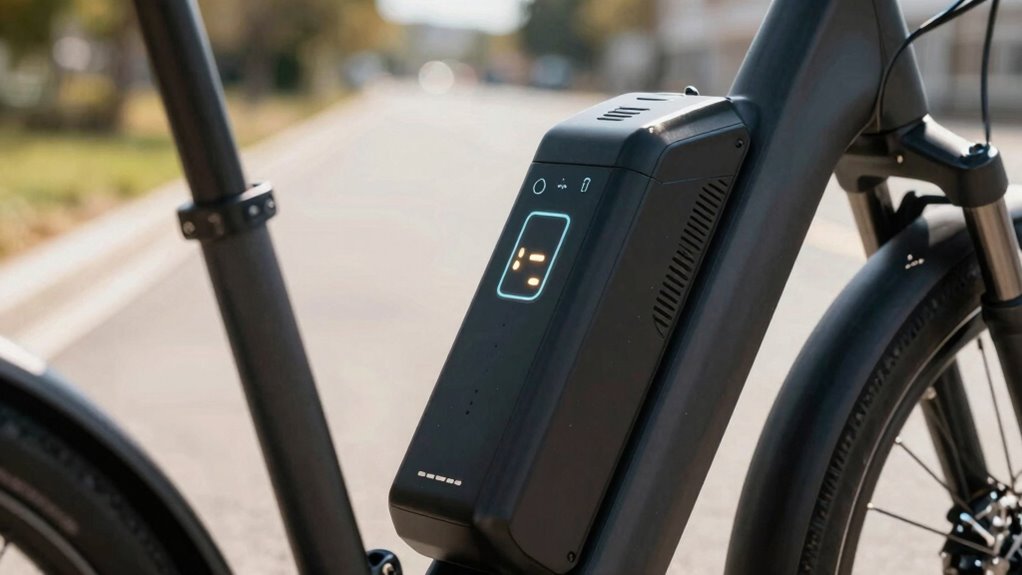

E-bike batteries determine your range, voltage, and real-world miles by their chemistry and energy density. Higher voltage batteries deliver more power, while better energy density means longer distances per charge. Factors like battery type and capacity influence how far your bike can go before needing a recharge. A well-chosen battery balances longevity, safety, and performance, ensuring reliable rides. Keep exploring to understand how different batteries can maximize your e-bike experience.

Get travel and outdoor gear delivered free — and shop member deals
- Fast, free delivery on millions of items
- Access to Prime Big Deal Days deals on October 6–7
- Prime Video, Amazon Music and more included
Key Takeaways
- Battery voltage indicates power output; higher voltage often means more motor support and faster speeds.
- Range depends primarily on battery capacity (Wh), balancing energy density and size for longer distances.
- Real-world miles vary based on factors like terrain, rider weight, and assist level, not just battery specs.
- Energy density influences battery weight and size, affecting bike handling and how many miles you can ride per charge.
- Battery chemistry impacts lifespan and safety, with lithium-iron phosphate offering longer durability for consistent miles.
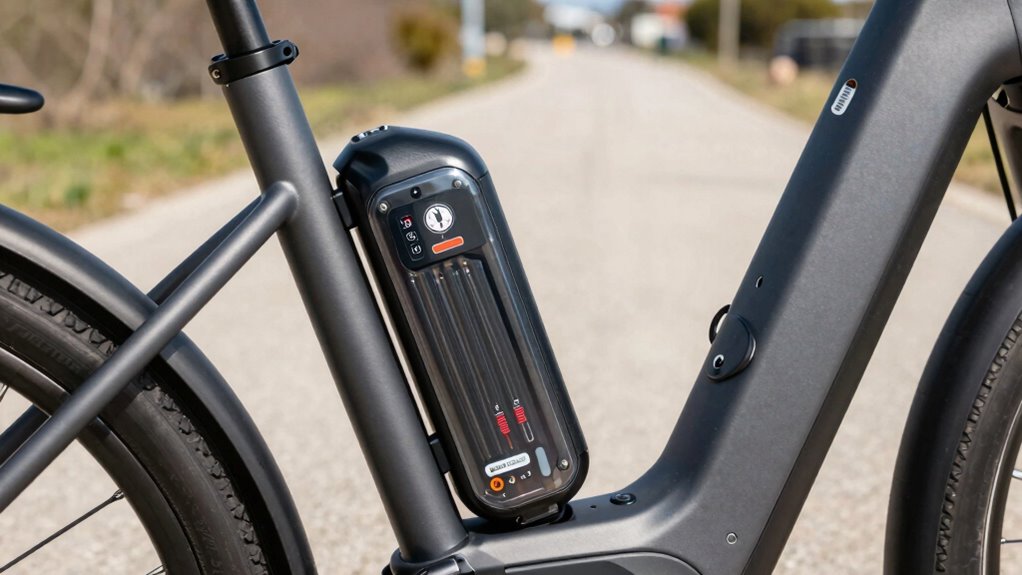
E-bike batteries are the heart of your electric bike, providing the power needed for smooth and efficient rides. When it comes to understanding what makes these batteries tick, you need to consider their battery chemistry and energy density. Battery chemistry refers to the type of materials used inside the battery—most commonly lithium-ion for e-bikes. Lithium-ion batteries are popular because they offer a good balance of weight, cost, and longevity. Different chemistries, like lithium-polymer or lithium-iron phosphate, can influence how the battery performs, especially in terms of safety and lifespan. But what really sets a battery apart in your e-bike is its energy density, which measures how much energy the battery can store relative to its weight. Higher energy density means you get more range and power without adding extra bulk or weight to your bike.
You’ll find that batteries with higher energy density typically deliver longer rides on a single charge. That’s why manufacturers often tout their batteries’ energy density when advertising range capabilities. For you, this means a battery with a higher energy density can help you travel further, whether you’re commuting, tackling hilly terrains, or going on long weekend adventures. It’s important to note that energy density isn’t just about distance; it also impacts how compact and lightweight your e-bike can be. A battery with high energy density allows for a more streamlined design, making your ride more comfortable and easier to handle. While battery chemistry determines fundamental safety and durability, energy density directly affects how far you can go before needing a recharge.
Understanding these factors helps you choose the right battery for your riding style. If you’re after longer trips and don’t mind a slightly heavier or larger battery, look for options with higher energy density and advanced chemistries. Conversely, if you prefer a lightweight setup for city commuting, a smaller, more efficient chemistry with decent energy density might suit you better. Additionally, keep in mind that the longevity of your battery depends on how well it’s built and maintained—chemistries like lithium-iron phosphate tend to last longer but might have lower energy density compared to other lithium-ion variants. The balance between chemistry and energy density is key to finding an e-bike battery that meets your needs, giving you reliable power and an enjoyable riding experience without unnecessary weight or frequent recharges.
Frequently Asked Questions
How Do Temperature Changes Affect E-Bike Battery Performance?
Temperature changes can substantially impact your e-bike battery performance. Cold weather causes battery cooling issues, reducing capacity and making it harder to maintain power. Conversely, high temperatures can lead to overheating, which degrades the battery faster. Proper temperature management is vital; keep your battery in a cool, dry place, and avoid extreme temperatures to guarantee optimal performance and longer lifespan. Regularly monitor and adjust to maintain ideal operating conditions.
Can I Upgrade My E-Bike Battery for Longer Range?
Yes, you can upgrade your e-bike battery for longer range by increasing its battery capacity or voltage. A higher capacity battery stores more energy, extending your ride distances, while a voltage upgrade can boost power and performance. Check your bike’s compatibility and consult a professional to ensure the upgrade is safe and effective. Doing so can considerably improve your riding experience without needing a new bike.
What Is the Best Way to Store E-Bike Batteries Long-Term?
To store your e-bike battery long-term, you should keep it in a cool, dry place away from direct sunlight. Make sure the battery is partially charged, around 50-70%, for ideal storage. Regularly check and perform battery maintenance by cycling it occasionally to prevent capacity loss. Proper battery storage ensures your e-bike battery stays healthy, maintains its lifespan, and is ready for use whenever you need it.
How Often Should I Replace My E-Bike Battery?
You should replace your e-bike battery when its battery lifespan declines considerably, usually after about 500 to 1000 charge cycles or every 2 to 4 years, depending on usage. Keep an eye on its performance and charging efficiency. Frequent replacements guarantee ideal riding experience and safety. If you notice decreased range or longer charging times, it’s time for a new battery to maintain your e-bike’s performance.
Are There Safety Concerns With High-Voltage E-Bike Batteries?
High-voltage e-bike batteries can pose safety concerns like battery fire risks and electrical shock hazards if not handled properly. You should always follow manufacturer instructions, avoid puncturing or exposing batteries to extreme heat, and use proper charging equipment. Regular inspections help identify potential issues early. Staying cautious and maintaining your battery properly minimizes these risks, ensuring safe riding experiences with your high-voltage e-bike.
Conclusion
Think of your e-bike battery as a trusted compass guiding your adventures. Just as a compass points you toward new horizons, understanding your battery’s range and voltage helps you navigate your rides with confidence. With proper care and awareness, your battery becomes a steadfast partner, revealing endless miles of exploration. Embrace this knowledge, and let your e-bike be the vessel that takes you beyond limits, turning each ride into a journey of discovery.
Fall Picks
fall essentials
As an affiliate, we earn on qualifying purchases.